April comes, the snow is finally gone, and you step out onto the deck for the first coffee of the season. Something feels off underfoot. Half the boards have lifted at the edges into shallow U-shapes, a few have gone dark and soft near the house, and there’s a green film where the leaves sat all winter. Last fall, everything looked fine.
This is not your fault, and the wood probably isn’t defective. Most winter deck damage starts with something small that was left in place in October: the thin line of leaves, needles and dirt packed into the gaps between the boards.
Why Those Gaps Decide Everything
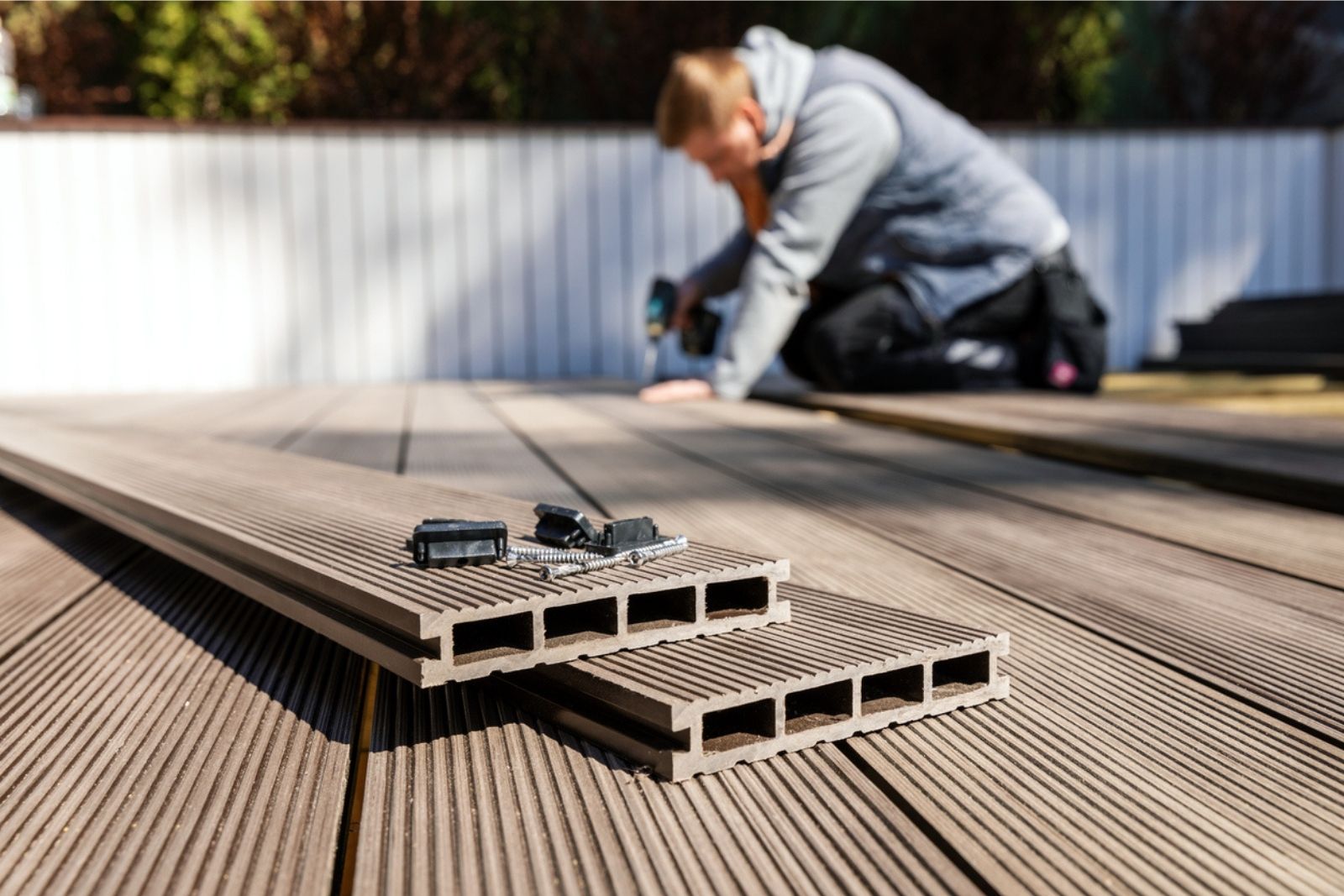
The spaces between deck boards exist so water can drain straight through and air can reach the wood. When debris fills them, water has nowhere to go and sits on the deck. Western Red Cedar, the lumber group, warns that packed dirt and leaves can cause standing water on top of the deck instead of letting it drain, and in winter that debris gives snow and ice a better grip to lock in moisture for months.
Cupping is what that trapped moisture looks like. Andy Engel, editor of Professional Deck Builder, explains that the underside of the board swells with moisture while the sun-dried top shrinks: “The combination of the swelling below and the shrinking on top causes the cupping.” Anything that keeps one face wet and blocks airflow makes it worse.
The Pre-Snow Routine
- Clear every gap. Sweep or blow the leaves off, then run a thin tool or a deck gap cleaner down each joint until you can see daylight. This is the one thing that matters most.
- Kill mildew now, not in spring. Mix 3 quarts of water, 1 quart of oxygen bleach and 1/4 cup of ammonia-free liquid dishwasher detergent. Spray it on, wait 10 to 15 minutes, scrub stubborn spots with a soft brush, and rinse well.
- Lift what sits on the boards. Raise planters and storage boxes on 2×2 stand-offs so air flows underneath, and move furniture into the shed or garage if you have room.
- Let it breathe. Skip the full tarp unless nobody will use the deck all winter, since tarps can trap moisture. Keep the space under the deck open and clear too.
Once the snow comes, sweep light snowfalls with a broom. Past about four inches, use a plastic shovel and push in the same direction as the boards. Skip rock salt: it rusts fasteners and joist hangers. Most decks can handle around three feet of snowfall before the load becomes a structural concern.
When It’s More Than Maintenance
Clearing the gaps prevents damage. It can’t undo it. In spring, probe any dark or soft areas with a thin screwdriver: if the wood gives way easily, it’s rotting, and a deck builder should take a look before someone’s foot goes through. A deck that hasn’t been sealed in years also needs attention, since sealing or staining every 2 to 3 years keeps water out of the wood, but wait for a dry spell that meets the product’s low-temperature limits, not a cold, damp November weekend.
Clear the gaps, lift the pots, let the wood breathe. That’s the trick.