

Your dog has torn open a cushion and now crouches as you walk through the door. The face looks guilty, so the lecture starts before the mess is even cleared.
The look that isn’t a confession
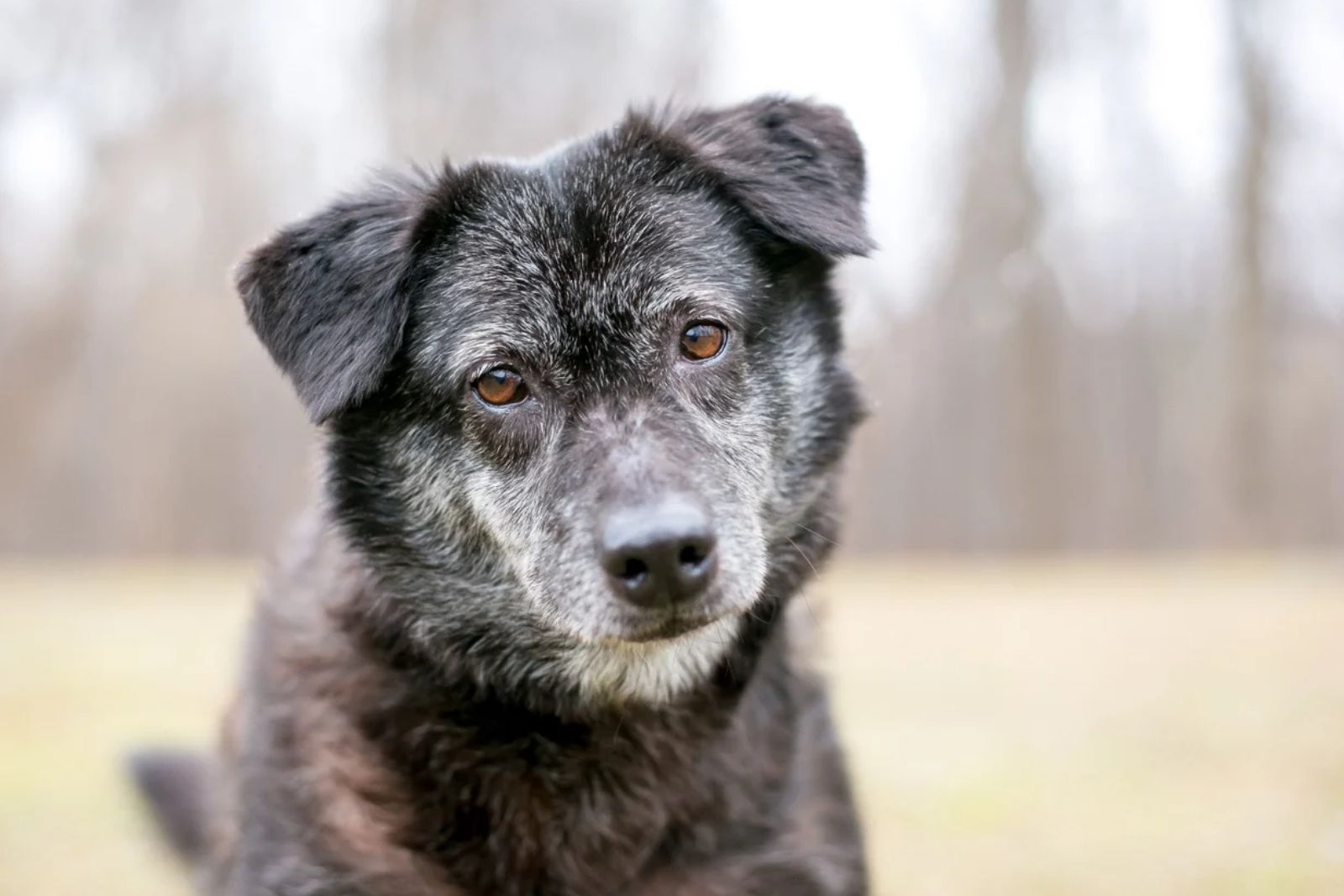
The owner walks in, sees the mess, and assumes the dog remembers what it did and now feels ashamed.
But that posture doesn’t necessarily tell the story you think. Dogs can lower their heads, tuck their tails and turn away even when they did nothing wrong. The so-called guilty look may simply be a reaction to your angry voice and body. It’s not a confession about something that happened hours earlier.
So back to the cushion. If you start with a human motive, you may miss what your dog is doing right now. The useful question is less “What was the dog thinking?” and more “What can I actually see?”
The bed, the birthday and the hug
Letting your dog sleep on the bed, celebrating a birthday or calling them family does not explain behavior. Dogs read tone and posture in the present moment, so a raised voice at the door produces the lowered head, not the memory of the cushion.
Affection can also feel different from the dog’s side. A hug may feel warm to you while your dog stiffens, turns away or licks its lips.
Just like a paw on your knee, it only makes sense when you look at the whole dog and what’s happening around it.
Trading “stubborn” for “stayed by the gate”
Start by swapping human labels for things you can see. Instead of “stubborn,” say your dog “stayed by the gate.” Instead of “jealous,” say “barked when I touched the other dog.” And instead of “spiteful,” say “chewed the door while alone.” Now you have a behavior you can manage and teach.
Coming when called is a good place to start. For a simple recall exercise, work in an enclosed area while another person holds your dog. Walk about 10 feet away and lower your body in an inviting way. Say your dog’s name and “come” once, in a light voice. The moment your dog arrives, reward it with a tiny food treat, a toy or praise.
If your dog doesn’t come, calmly walk back and try again from an easier distance. Don’t repeat the cue until it turns into background noise, and never punish a slow return. Begin with few distractions, then add more little by little as the response becomes reliable.
When the cushion is the least of it
Growling, lunging, biting, intense fear or a sudden change in behavior call for a veterinarian or a qualified behavior professional.
Reward-based training is what veterinary behavior specialists recommend, and shock collars, leash jerks, alpha rolls and dominance theories are what they warn against. While you wait for the appointment, don’t force a fearful dog to face what scares it.