

You’ve probably seen the floor. Big slabs of veined white marble, polished to a mirror shine, running straight through the entryway and into the primary bath. It’s the floor folks saved up for. The floor that was supposed to say we made it.
Interior designers just put it at the top of their regret list.
Not the cheap stuff. Not the builder-grade vinyl or the peel-and-stick squares people joke about. The splurge. The material homeowners picked because it cost more, because it looked permanent, because every magazine for twenty years told them it was the safe long-term bet.
And the floor these same designers are quietly putting in its place? The one your parents warned you to keep away from water? That one is now going into bathrooms.
Read on for what’s happening, and what designers say to pick instead.
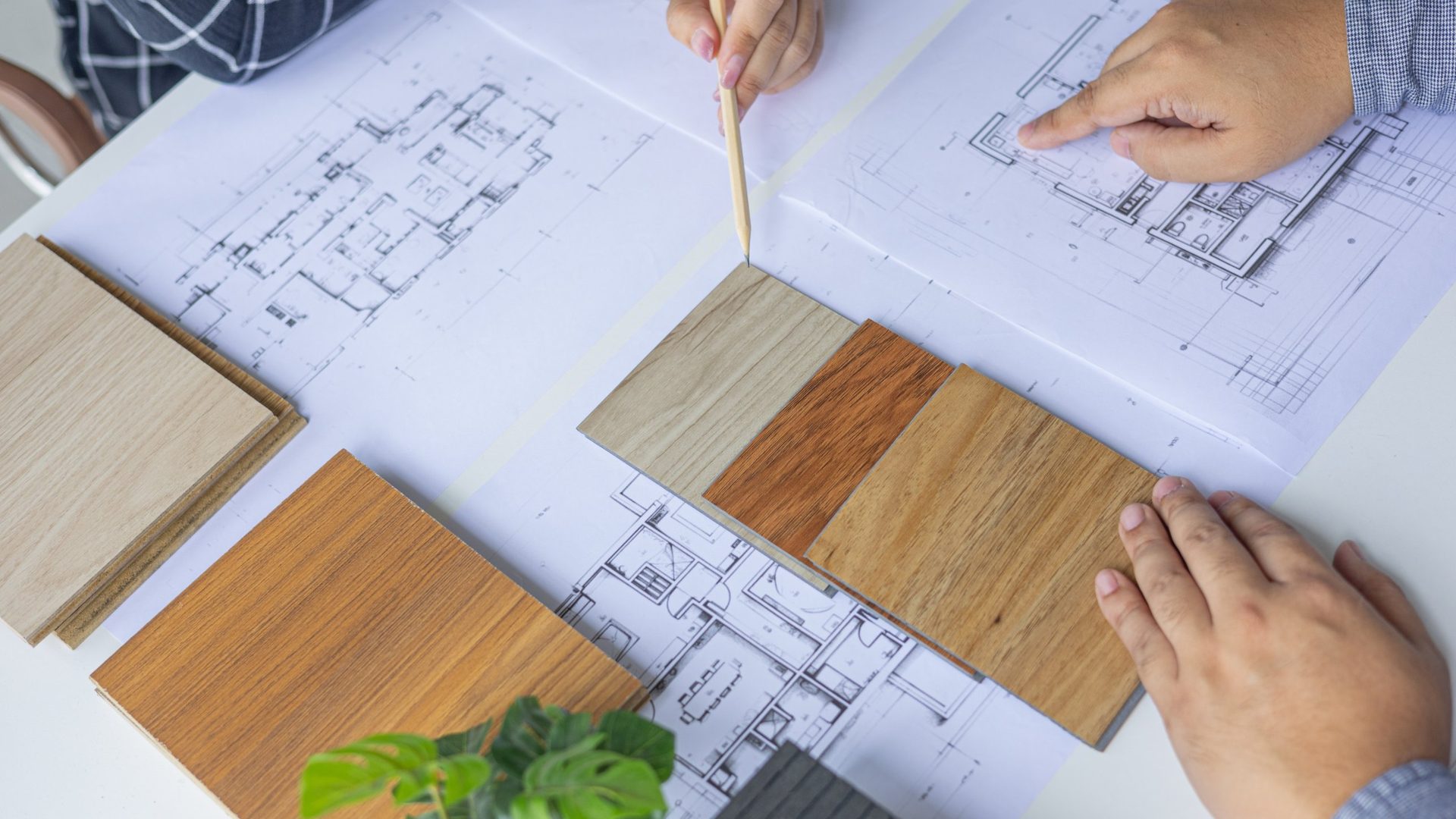
The old rule everyone followed
For a long time, picking flooring in an American home worked off one simple ladder.
Stone at the top. Marble if you could swing it, granite if you couldn’t. Then polished tile, shiny porcelain, anything with a sheen. Wood went in the living room and the bedrooms. Carpet in the kids’ rooms. And the wet rooms (bathrooms, laundry, the mudroom) got stone or tile, because everyone knew wood and water don’t mix.
The shinier the surface, the richer the house felt. That was the whole trick.
Homeowners followed it. They put marble in the primary bath. They picked shiny planks because they looked newer under the lights. They avoided wood anywhere a bare foot might step out of a shower.
Then they lived with it for a few years.
What actually happened
The problem wasn’t the install. The problem was Tuesday.
Marble, it turns out, doesn’t just look delicate. It really is delicate. Shampoo bottles leave rings. A splash of anything acidic (orange juice, vinegar, a glass of wine) leaves a dull spot the shine never comes back to. The designers quoted in The Spruce’s recent flooring regret piece put it plainly: materials that are hard to maintain over time, marble being one of them, aren’t going to make for the best flooring picks.
Shiny finishes had their own problem. On install day, they looked clean. By month three, they looked like a crime scene for dust. One designer told Martha Stewart’s flooring trend coverage that a high-shine floor “shows everything, every footprint, every speck of dust, every scratch. You could clean it twice a day, and it would still look like someone walked through with muddy shoes.”
That’s the pattern across the whole regret list: the floors that promised the most drama turned into the biggest daily chore. Marble. Shiny porcelain. Heavy veining. Checkerboard polish. Mirror-finish anything.
And the resale boost everyone was counting on? It didn’t show up. Buyers in 2026 read those finishes as dated, not rich. The splurge aged the house instead of lifting it.
Why designers stopped fighting it
The shift wasn’t really about taste. It was about a word designers now lean on constantly: longevity.
Interior designer Cloud, quoted in the same Spruce piece, said she keeps longevity top of mind when she picks flooring with clients. That sounds boring until you notice what it rules out. Anything that peaks on install day. Anything that needs a sealing schedule. The mirror shine, the heavy vein, the floor that only looks right when it’s spotless.
What it rules in is the material designers used to tiptoe around in wet rooms. Wood.
Not fancy wood. Not reclaimed-barn wood. Just classic wood floors, run through the whole house. Living room, kitchen, and yes, the bathroom.
The part that catches folks off guard
The pick in the source is direct. Designers love a classic wood floor in rooms throughout the house, including the bathroom. The reasoning is also direct: wood is easy to clean, and if it gets beaten up down the line, you can refinish it instead of ripping it out.
That’s the move that breaks the old rule. The material people were told to keep away from the shower is now the material designers are running under it.
A few things made that possible:
- The finishes got better. Sealed wood today holds up to the kind of humidity that used to warp a plank in a season.
- Continuity started reading as rich. One floor flowing from the living room into the kitchen into the bath feels calm and thought-through. A house that changes material at every doorway (tile here, marble there, carpet up the stairs) now reads as a dated remodel.
- Being able to refinish beats being stuck. When marble etches, you live with it or you tear it out. When wood gets scuffed after ten years, you sand it and start over. That’s the longevity designers keep talking about.
What to put in instead
Redoing a floor right now? The designer-approved playbook is short.
- Pick wood as your default, and run it through as many rooms as the layout allows. One material, one tone, fewer breaks.
- Skip the high-shine finish. Go matte or low-sheen. It hides footprints, dust, and the scratch the dog will eventually leave.
- Treat marble like an accessory, not a floor. A vanity top, a doorway strip, a single accent? Fine. A whole bathroom floor? That’s the regret everyone’s talking about.
- If wood in a wet room still makes you nervous, ask your installer about sealed or engineered options before you default to tile. That’s the chat designers are now having that homeowners aren’t. A simple rule of thumb: keep standing water off the floor, wipe spills within an hour or two, and aim to keep room humidity in the 35 to 55 percent range (about the same comfort range most people want anyway).
The real takeaway
The flooring ladder most Americans grew up with (stone up top, wood kept dry, shine equals money) isn’t the one designers are using anymore.
The pricey floor that was supposed to be the safe long-term pick turned into the one they regret most. And the material everyone was trained to keep out of the bathroom is quietly becoming the one they’d put everywhere.
About to pour money into a floor? The question isn’t what looks priciest on install day. It’s the one Cloud and her clients are already asking: what still looks right in year ten?
That answer isn’t marble anymore.