

The remote dies, you open the drawer, and two nearly identical batteries roll toward your hand. One says AA, the other AAA. It’s tempting to grab the one with more letters, but those A’s are telling you something else entirely.
What that extra A is really telling you
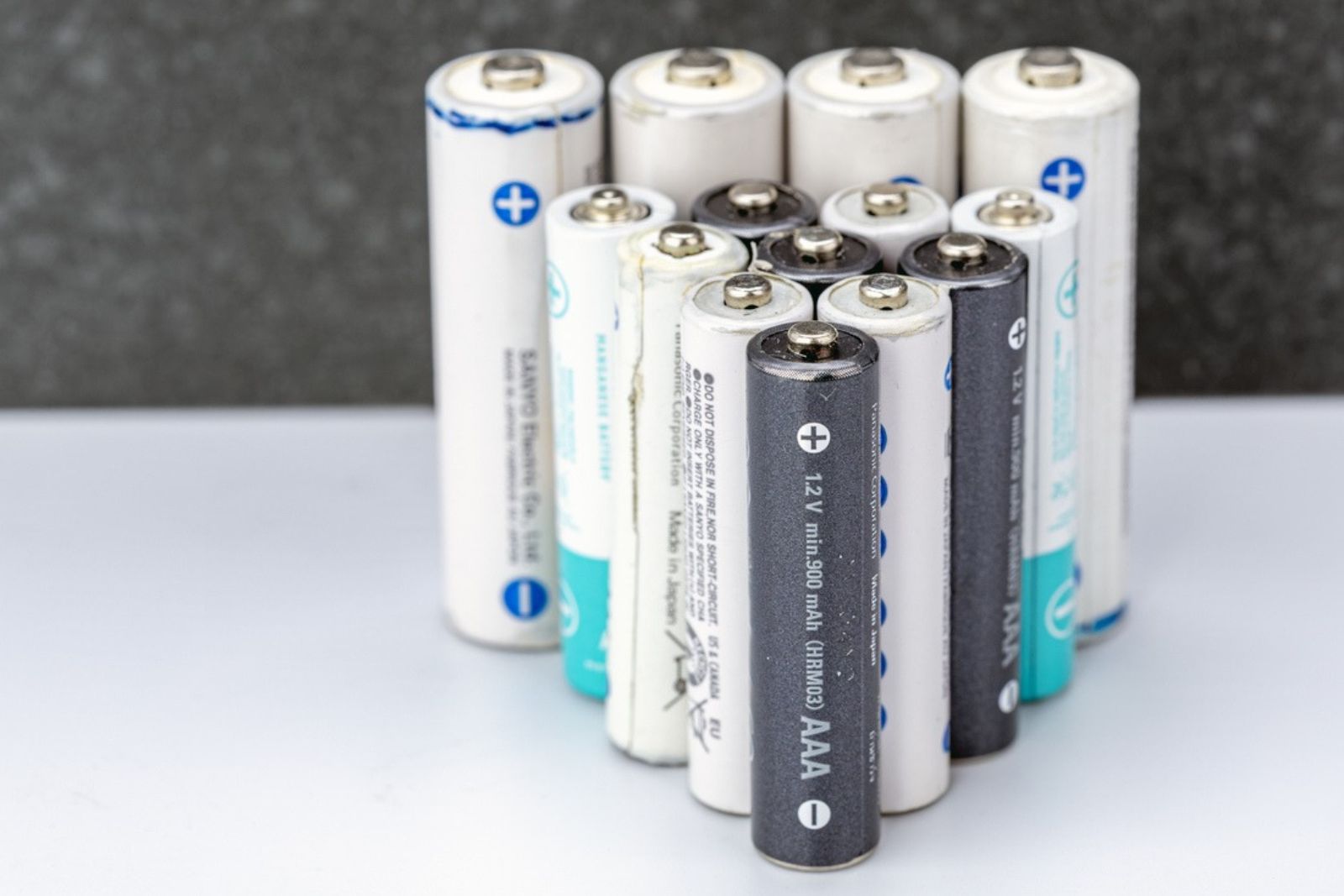
The letters don’t stand for anything clever. They’re just size names, but the counterintuitive bit is that the extra A means smaller, not bigger.
You can feel it in your palm. An AA alkaline is about 0.57 inch wide and 1.99 inches long. An AAA is about 0.41 inch wide and 1.75 inches long. In other words, the AAA is about a quarter-inch shorter and noticeably skinnier. Flip the wrapper and you may spot a second code for the same battery size alongside AA or AAA.
So why does the alphabet seem to run backward? The names come from an older catalog system documented in a federal dry-cell standard. Its size table placed A and AA side by side, with AA both narrower and shorter. The labels stuck around long after newer number codes arrived.
Don’t go looking for logic in the naming convention. The sizes were named as they came along rather than plotted on a scale, which is why B, C, D, A, AA and AAA jump about. The only rule worth remembering is that the more A’s you see, the smaller the battery.
Bigger shell, same push
Hold them side by side and the bigger one looks like it should pack more punch. It doesn’t. Alkaline AA and AAA batteries are both commonly rated at 1.5 volts.
A chemical reaction sends electrons out of one end of the battery, through the remote, and back into the other end. Think of it like a garden hose, where voltage is the water pressure, and capacity is the size of the tank behind it.
This is where the AA earns its extra bulk. More room inside means more of the stuff that makes the power, so it’ll usually last longer or cope better with power-hungry gadgets like game controllers.
Rechargeables are the exception. Most nickel-metal hydride AAs and AAAs are rated at 1.2 volts, which can make a difference in some devices.
Thirty seconds before the spare goes in
Back to that dead remote. Before reaching for a spare, check the size printed inside the battery compartment or in the manual. AA and AAA don’t fit the same slot, and the wrapper on an alkaline battery may say LR6 or LR03 instead.
Then match the type the maker asks for, alkaline or rechargeable, along with the stated voltage. The raised bump is the positive end and goes toward the + sign. The flat end goes toward the − sign. In a two-battery remote, that often means the batteries face opposite directions.
Still nothing? It might not be the batteries at all. A thin film of grime on the metal contacts can block the connection, so clean the battery contacts with a clean pencil eraser or a dry cloth before you toss anything.
Where the manual beats the wrapper
A few rules worth sticking to: only recharge batteries that say they’re rechargeable, and don’t mix old with new, or one type with another, in the same device.
Keep loose batteries away from coins, keys and other metal that can bridge the ends and create heat. If one is hot, swollen, split or leaking, stop using it, keep the residue off bare skin, and follow the device maker’s and your local disposal guidance.