Kitchen cabinets tend to get judged by their doors. A dated color, a scuffed finish or a loose hinge can make the whole kitchen feel ready for a reset. But working out how much life remains takes a closer look. The answer involves more than the surface you see every morning.
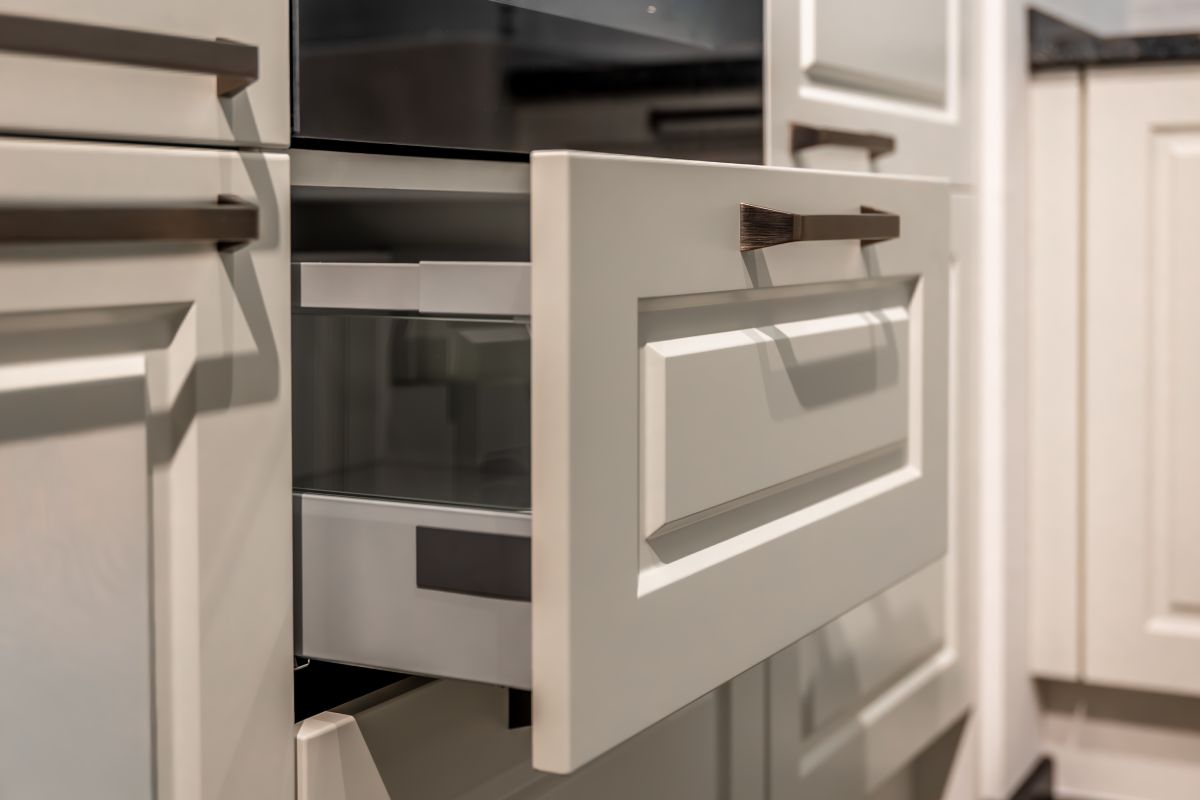
In short
- The broad estimate is 10–30 years. Actual cabinet lifespan depends on materials, construction quality and maintenance.
- Quality can make a substantial difference. Cheaper cabinets may last 10–15 years, while high-quality custom cabinets can reach 50 years with proper care.
- Condition matters alongside age. Water damage, swelling and weak frames deserve attention when deciding whether to maintain, refresh or replace your cabinets.
The usual estimate covers a surprisingly wide range
Most kitchen cabinets have an estimated lifespan of 10 to 30 years. That is a broad window, and the differences within it matter when you are choosing new cabinets or assessing the ones already in your home.
Cheaper, mass-produced cabinets may last around 10 to 15 years. High-quality custom cabinets can last up to 50 years. Reaching that upper figure depends on the construction, materials and care involved; it is not a promise attached to every custom order.
The useful distinction is between an estimate and a deadline. A cabinet’s age gives you context, while its condition tells you how it is holding up.
A wood finish does not reveal the whole construction
Solid wood is one durable option. Hardwoods such as oak, maple, walnut and cherry can provide decades of service with proper care. Humidity still matters, though, because natural wood can expand in damp conditions.
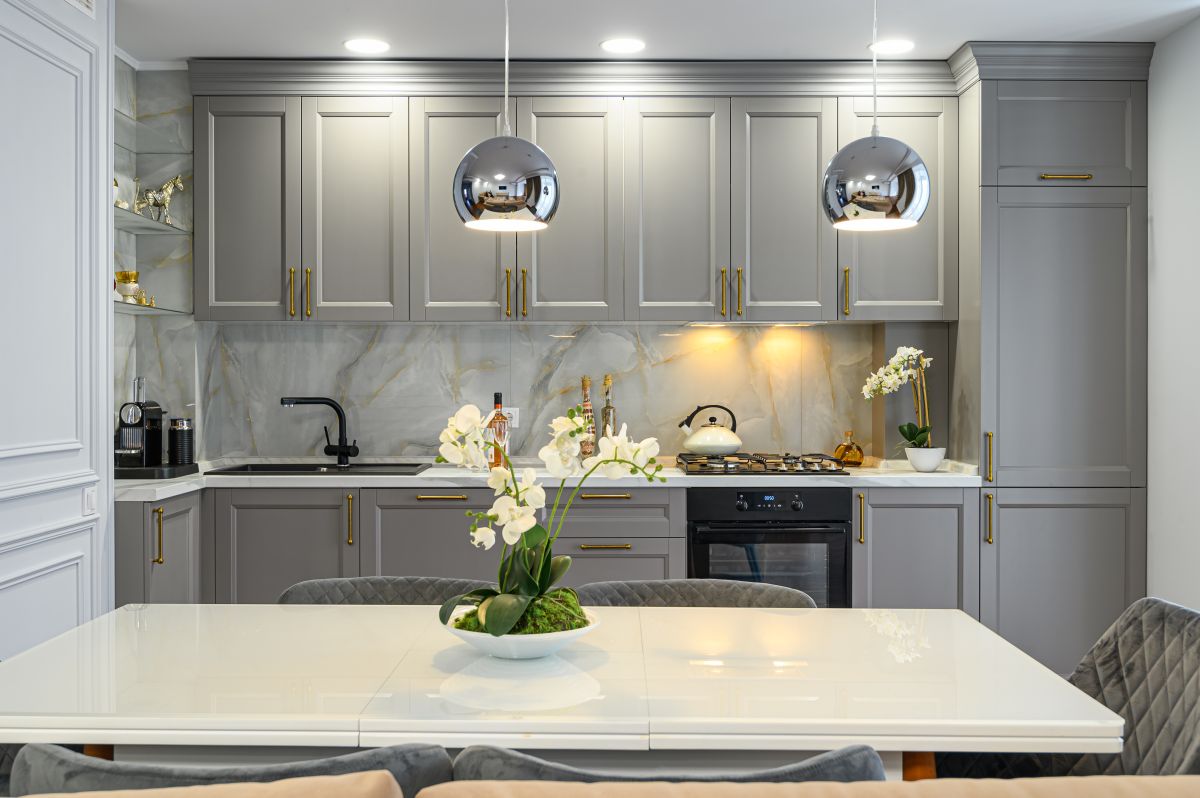
Plywood is another strong, durable choice with resistance to moisture. That can make it appealing in a busy kitchen, although moisture-resistant should not be read as waterproof.
Medium-density fiberboard (MDF) offers a less expensive alternative. It is made from wood fibers combined with resin under heat and pressure. Its vulnerability is moisture, which can cause swelling.
Wood veneer adds another distinction. It is a layer of natural wood over a core such as MDF or plywood, so the attractive outer surface does not tell you everything about what lies beneath. Moisture can also cause veneer to peel or bubble.
High-pressure laminate (HPL), resists stains and scratches and needs relatively little upkeep. Its edges deserve attention, because chipping physically damages the finish. That is a different problem from a greasy mark that can be wiped away.
The years between installation and replacement count, too
Even a durable material has to live through daily kitchen use. Water damage, loose hinges and weakening frames can shorten a cabinet’s useful life.
Tom Silva, the general contractor on This Old House, explains the importance of construction: “That all depends on the bones—how a cabinet is constructed and what it’s made of.”
That is why construction quality belongs alongside material on your checklist. A wood finish alone cannot tell you whether a cabinet is well made, and an appealing door cannot compensate for a weak underlying frame.
Regular maintenance also matters. Wipe cabinet fronts weekly to remove grease and dirt, and give them a more thorough cleaning at least twice a year. Dish soap can help with greasy marks. The point is consistent care rather than waiting until the buildup becomes a separate weekend project.
An older look and a worn-out cabinet are different problems
A change in taste can arrive well before a cabinet reaches the end of its useful life. If the boxes remain sound and the layout still works, refacing the existing cabinets can change their appearance while retaining the underlying structure.
For a repaint, preparation matters. Furniture restoration specialist Tim Inman writes in Woodworker’s Journal: “Your biggest enemy is grease and grime.” He advises starting with a clean, dry surface before applying new paint.
Wear and damage deserve a closer look. Swollen panels, peeling veneer and weak frames tell you more about the cabinet’s present condition than whether its color belongs to a previous decade.
Give construction, condition and care history as much attention as the installation year. Together, those details make the lifespan estimate useful when you are deciding what to buy, maintain or refresh.