

It is easier to remember a bad roll of toilet paper than the pattern on a good one. You notice the scratchy sheet, the layers that peel apart, the paper that tears too easily. The flowers and dotted swirls rarely get the same attention. They are simply part of something you use every day. Put two rolls side by side, though, and that familiar detail starts to seem curious.
Why give something so disposable an elaborate pattern? Does that quilted surface actually make a difference, or does it just look reassuringly plush? The answer helps explain why the paper in your bathroom feels the way it does, and why appearances can be misleading.
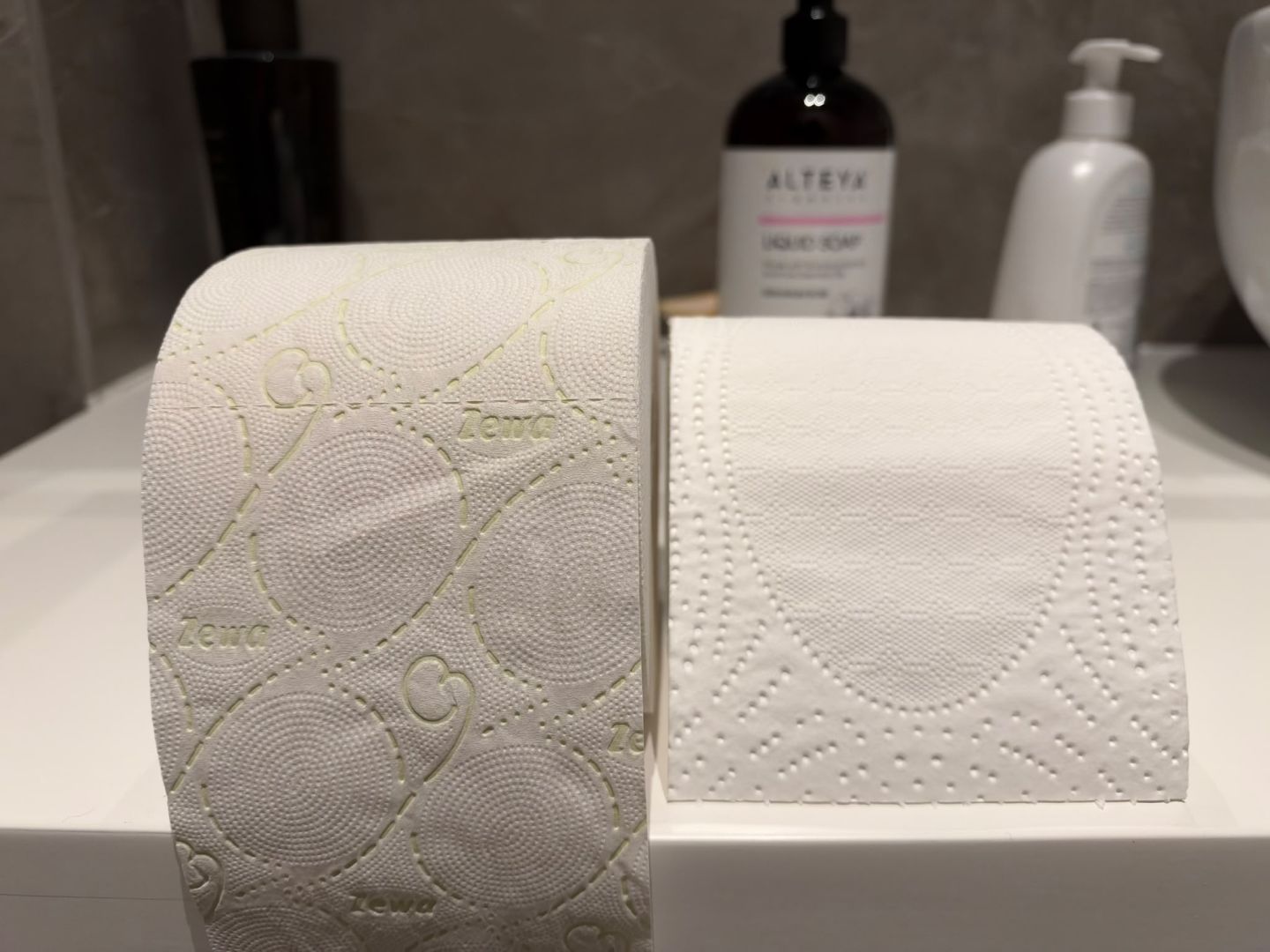
The designs are pressed into the paper
Those raised dots and recessed shapes come from embossing. During converting—the stage when large reels of tissue become finished rolls—engraved steel rollers press a pattern into the paper. The texture is a physical impression in the sheet, distinct from any color printed onto its surface.
A sheet can carry more than one design: large, easily visible shapes alongside a fine background of tiny dots. The depth and spacing of those impressions change the paper’s structure, so choosing a pattern involves more than picking something that looks appealing.
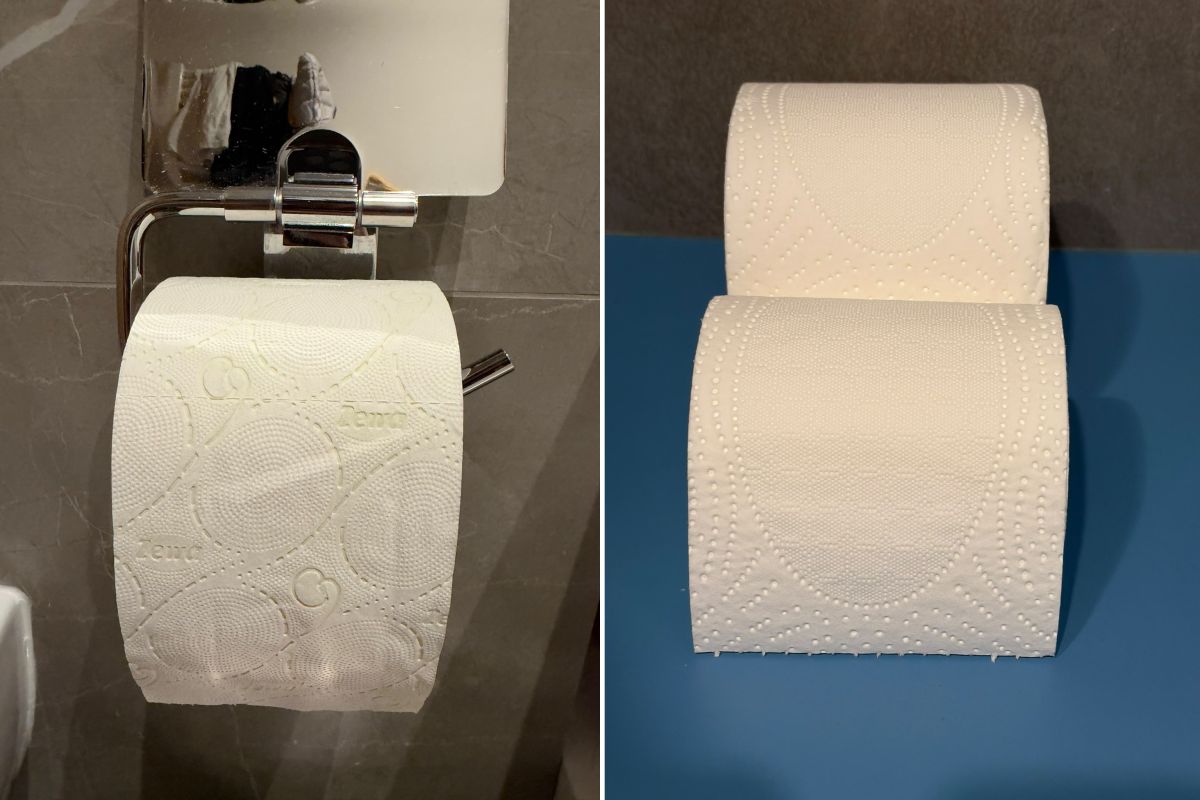
Why a thin sheet can feel fuller
Embossing can increase bulk: the volume occupied by a given mass of paper. Shaping the tissue and creating spaces between its layers can make a sheet thicker without adding a matching amount of fiber. Some of that cushioned feel comes from its construction.
Those spaces can also help it hold more liquid. In a 2020 BioResources study, researchers compared four industrial two-ply toilet papers with their corresponding base papers. Water absorption capacity increased by 18% to 72% after embossing, depending on the sample.
Absorption time barely changed, however. The papers could hold more water without necessarily soaking it up faster. Those figures apply to the four products studied, rather than every patterned roll on a supermarket shelf.
Some dots help keep the layers together
Ply means a layer of tissue. On some multi-ply papers, embossed points provide places where the layers are bonded, helping them stay together when you pull off a sheet.
One manufacturing method applies adhesive to raised areas before joining the layers. Other systems use water-based bonding without glue. You cannot identify the method just by looking at the pattern. A decorative mark need not be a bonding point.
Arrangement matters, too. A separate study tested two five-ply configurations made from the same base papers and found different absorption results. Counting the layers tells you only part of the story.
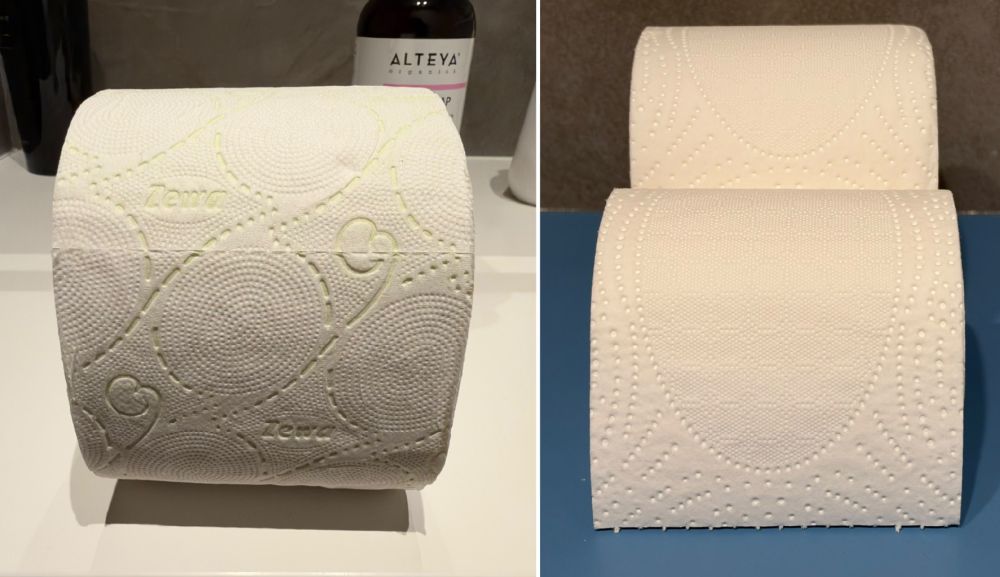
How embossing changes softness and strength
Cushioning and surface smoothness are different aspects of softness. A sheet can gain bulk without becoming more pleasant against your skin.
A 2022 laboratory study in Materials found that both embossing patterns tested reduced mechanical strength and measured softness compared with the original base papers. The results depended on the pattern and processing conditions.
That leaves manufacturers balancing competing qualities. A roll needs enough strength for use and a comfortable surface; pressing a deeper design into the paper does not guarantee either. More noticeable texture is no reliable shortcut to better performance.
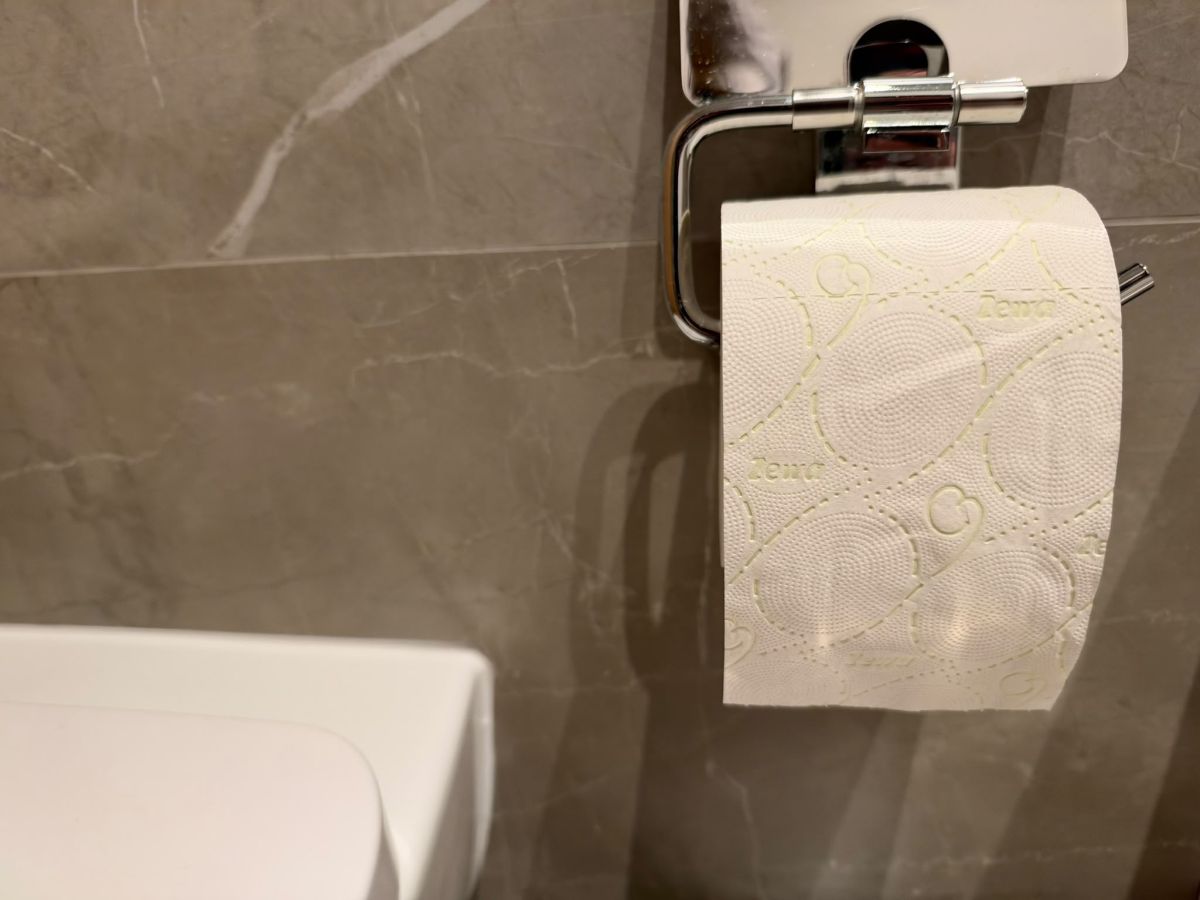
What the pattern cannot tell you
There is a branding element as well. Tissue equipment manufacturer Valmet describes distinctive engravings as a way to set products apart. A recognizable motif keeps doing that job after the wrapper goes in the trash.
For shoppers, the useful distinction is between appearance and performance. Fibers, processing, layer arrangement and embossing settings all affect the finished sheet. Flowers cannot tell you whether it will feel smoother than diamonds.
Compare sheet size and sheet count when checking prices. A bulky-looking roll does not necessarily contain more tissue. Then judge the paper itself: whether it feels comfortable, stays together during use and tears where you want