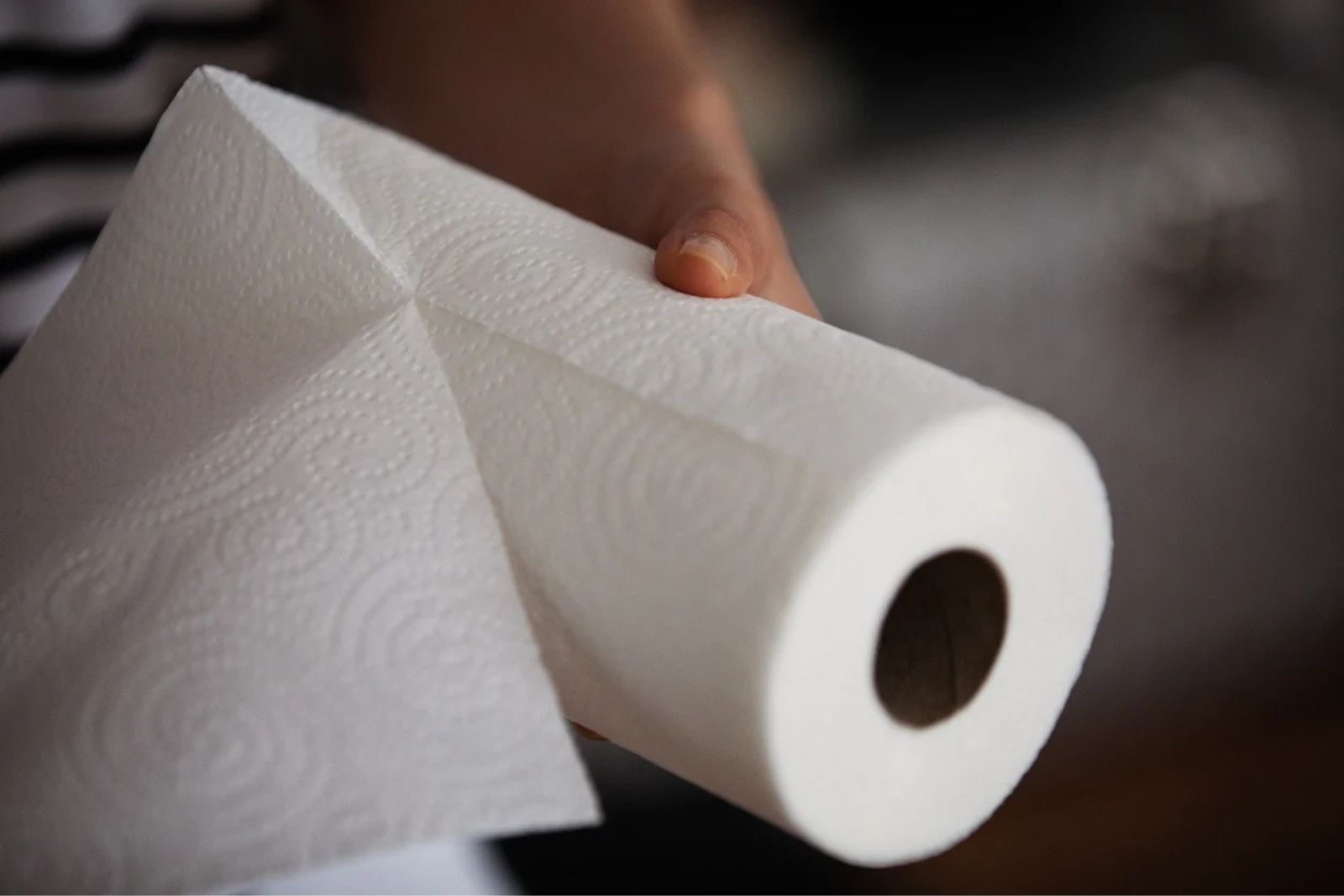
A splash of coffee hits the counter, and your hand reaches for the roll before you even think about it. Two sheets, one wipe, straight into the trash. In more and more kitchens, though, a thin, stiff square beside the sink is doing that job instead, and it will be back for the next spill tomorrow.
The stiff square by the sink
That square is a Swedish dishcloth, a reusable sheet made from a blend of cellulose and cotton. Pick it up dry and it feels almost like cardboard. Run it under the faucet, and it turns soft and flexible in your hand.
The secret is in the fibers. They form a network full of tiny spaces that draw liquid in. When you wring the cloth, the water comes right back out. So it can blot your coffee, wipe the counter and rinse clean, all without falling apart the way wet paper does.
It helps to think of it as a cross between a sponge and a sturdy paper towel, not a classic dish towel. If your kitchen is already moving away from sponges, keep a brush for plates and pans. The flat cloth is for counters and spills. A simple daily rotation starts with seven cloths.
Seven cloths, one for each day
The answer is a week’s worth. Keep seven cloths within reach, with a ventilated basket for the used ones. You get a fresh cloth every day, and no special laundry load to run.
Back to that coffee. Wet the dry cloth under the faucet until it bends easily, then wring it hard. Fold it into quarters so you have several clean faces to work with. Blot from the outside of the spill toward the center, refold, then wipe the last film away in one direction.
Once the counter is clean, rinse the cloth until the water runs clear and wring it again. Then hang it fully open on a clip, a rail or the faucet arm, so air reaches both sides. Never leave it balled up beside the sink.
It handles water, coffee, crumbs, produce drips and everyday counter cleaning. At the end of the day, it goes in the basket, or sooner if it looks dirty or starts to smell. Hand towels and dish towels stay separate, and giving each its own color keeps the counter cloth from ending up on a clean plate.
What happens to a cloth left in a wad
When Nofima, a Norwegian food research institute, tested kitchen cloths, they saw Salmonella multiply in wet cloths left crumpled. Hung open for 24 hours, the cloths carried far fewer bacteria.
So if you reach for yesterday’s cloth and it still feels damp, take a clean, dry one instead. Let the first one finish drying with plenty of air around both sides. A well-wrung cloth hanging open is always a better bet than a soggy wad next to the soap bottle.
Raw meat, hot washes and when to let go
A used cloth isn’t sterile, and it won’t sanitize or scrub off burned-on food. For raw meat, poultry or fish, pat it dry with paper and toss it right away. After a spill, grab paper or a fresh cloth, then clean and sanitize as the label directs.
Laundry day means a hot wash and a full high-heat dry. Retire any cloth that still smells after washing, tears or stops rinsing clean.