You rinse the dinner plates, wipe down the sink, and leave your sponge by the faucet, just as you always have. That familiar routine is getting a second look after researchers examined what collects on everyday cleaning tools. What they found may change what you reach for tomorrow.
In short
- A dish brush is the studied replacement for a kitchen sponge.
- Brushes dry faster and held fewer bacteria in a study of used kitchen tools.
- Swedish dishcloths and silicone scrubbers offer other ways to move away from sponges.
- Every dishwashing tool needs regular cleaning.
The sponge stays wet
Your sponge sits by the sink between breakfast dishes and the dinner pan. You squeeze it out, set it down, and reach for it again. That familiar routine matters because a sponge used every day may never fully dry.
Researchers at Nofima, a Norwegian food research institute, compared sponges and dish brushes used in real homes. Their 2022 study found lower bacteria levels in used brushes than in sponges. The difference gives you a reason to look at the tool beside your sink, not just the dishes you clean with it.
The numbers inside a sponge are hard to picture. In separate research, scientists found that 1 cubic centimeter of kitchen sponge could contain more than 50 billion bacteria. Another study found that bacteria including E. coli, Salmonella enteritidis, and Staphylococcus aureus could survive in a sponge for at least 2 weeks, even after it dried.
A brush gets a chance to dry
Picture the end of dinner cleanup. A sponge holds water throughout its soft body, while a dish brush leaves more of its surface open to the air. That drying difference is the heart of the swap.
Nofima found that dish brushes dry considerably faster than sponges. In a separate part of the study, researchers added bacteria to new brushes and sponges. Salmonella survived for more than 1 week in 2 of the 3 sponge types they tested. The findings point to moisture as the reason a brush makes a more hygienic choice for washing dishes.
You can keep the same simple rhythm at the sink: scrub the plate, rinse the tool, and leave it where it can dry. The change is the tool in your hand. For anyone tired of picking up a sponge that still feels damp from the last load, a brush offers a straightforward alternative.
There are other ways to skip the sponge
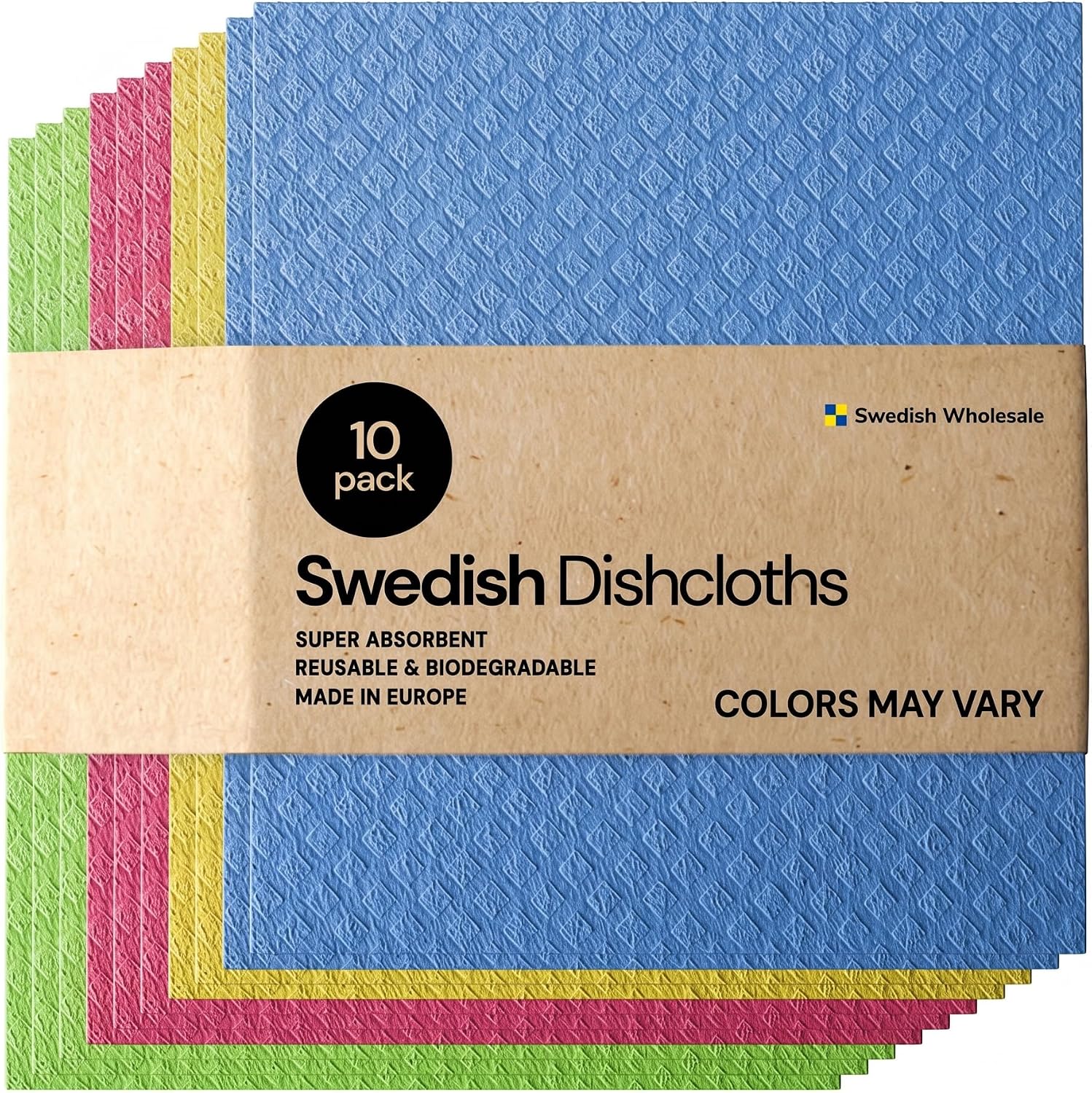
A brush is the main answer for dishes, though it is not the only sponge replacement you will see near a kitchen sink. Swedish dishcloths are reusable cloths, typically made from 70% cellulose and 30% cotton. Makers promote them as compostable alternatives to sponges and paper towels, with claims that 1 cloth can replace up to 15 to 17 rolls of paper towels.
Silicone scrubbers offer a different feel in your hand. Their nonporous surface gives food particles fewer places to settle than a traditional sponge, and silicone dries quickly after use. That makes them another option when you want to scrub without returning to a wet sponge.
The limit
A faster-drying tool still needs care. Clean brushes and sponges regularly, using a suitable dishwasher cycle, boiling water, or chlorine disinfection. The Nofima researchers found no disease-causing bacteria in the used brushes or sponges they collected, so their results do not mean every sponge is dangerous. Their household comparison was between brushes and sponges, not Swedish dishcloths or silicone scrubbers, and it does not establish how many households have made the switch.