
You open the fridge and find last night’s tomato sauce in the same orange-stained tub you’ve kept for years. That familiar stack of containers is getting a second look in kitchens across the country, especially when the next stop for your leftovers is the microwave.
In short
- Glass containers are the safer choice for heating and storing your leftovers.
- Microwaving plastic can release tiny plastic particles into food.
- Tomato sauce and oily foods are better stored in glass than plastic.
- IKEA 365+ and Pyrex offer glass options for everyday use.
The microwave changes the picture
View in gallery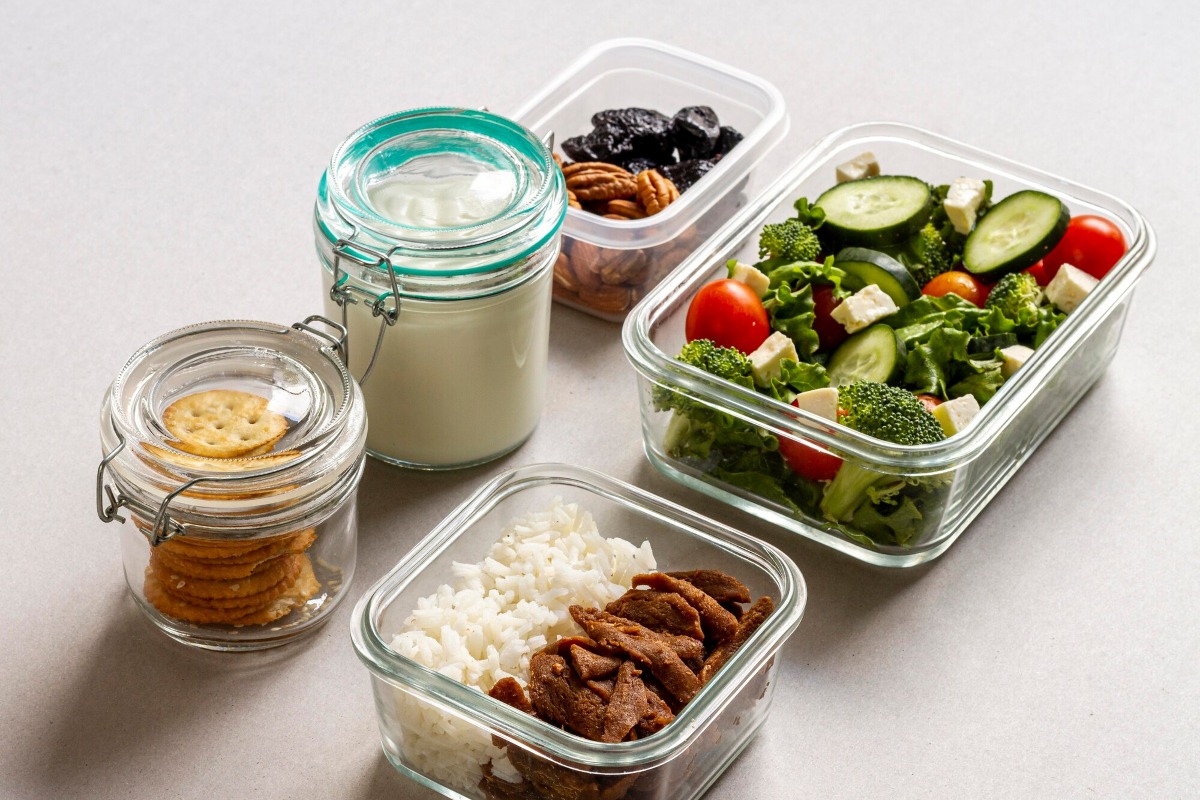
Then it goes in the microwave. If that tub is plastic, those few minutes matter more than you’d think.. If that container is plastic, the few minutes it takes to warm dinner matter. Heat can send tiny plastic particles into the food you’re about to eat.
Researchers at the University of Nebraska-Lincoln studied plastic baby food containers and reusable pouches. In 3 minutes of microwave heating, they measured as many as 4.22 million microplastic particles and 2.11 billion even smaller nanoplastic particles released from a patch of plastic about the size of a fingernail. People picture that more easily than a measurement. In their tests, microwave heating released the most particles, more than refrigeration or storage at room temperature.
It’s enough to make you look twice at the tubs stacked beside the microwave. Swap in a glass dish and the only thing you’re reheating is dinner.
Glass earns its place in the cupboard
A bowl of tomato sauce, a serving of gravy, tomorrow’s lunch, these are the things we tuck away without a second thought. Glass lets you do that without worrying about what the container might be adding. The glass itself does not release BPA, phthalates or microplastics into your food.
Acidic foods such as tomato sauce, citrus-based dishes and vinaigrettes are a particular reason to reach for glass. Acid can encourage chemicals to move out of plastic. Oily or high-fat foods, including butter and oil, can also speed up plastic’s breakdown.
You don’t need to replace your whole cupboard to see the appeal. Think about the containers you reach for when you put away dinner, especially when the meal is saucy or rich. A glass container does exactly the same job. It just keeps itself out of your food.
There are familiar options
If you’re ready to make the switch, you don’t have to hunt around. Consumer Reports’ testing gave the 34-ounce glass IKEA 365+ Food Storage Container its top score for durability, ease of use and how well the lid sealed. Those are everyday things that matter when you’re juggling lunchboxes at 7am.
Pyrex is another option, with comparable glass storage sets that typically cost between $33 and $47. You can choose the containers that suit the portions you usually save, rather than treating this as a full kitchen makeover. What matters is what’s touching your food.
The limit
Not every plastic container releases the same amount of particles or chemicals, and the Nebraska-Lincoln results do not show what every container releases. The FDA sets migration-testing standards for food-contact materials, including microwave-only containers; a separate test found no detectable BPA or phthalates in most microwave-safe plastics it examined. Glass is heavier and can break. If you’re sticking with plastic, keep it out of the microwave and save the glass for anything acidic or oily. That way you have the biggest risks covered.