The laundry basket parked in the corner of the bathroom is quietly losing its spot. A smarter storage idea hides dirty clothes behind a cabinet door, frees up the floor and makes even a small bathroom look calmer.
In short
- A cabinet with a built-in basket is replacing the classic hamper on the bathroom floor.
- The basket pulls or tilts out, and the laundry disappears once the door is closed.
- Some versions sort lights from darks or add shelves for towels and toiletries.
- Damp towels need air, so ventilation is the detail that decides whether it works.
Why the open hamper is falling out of favor
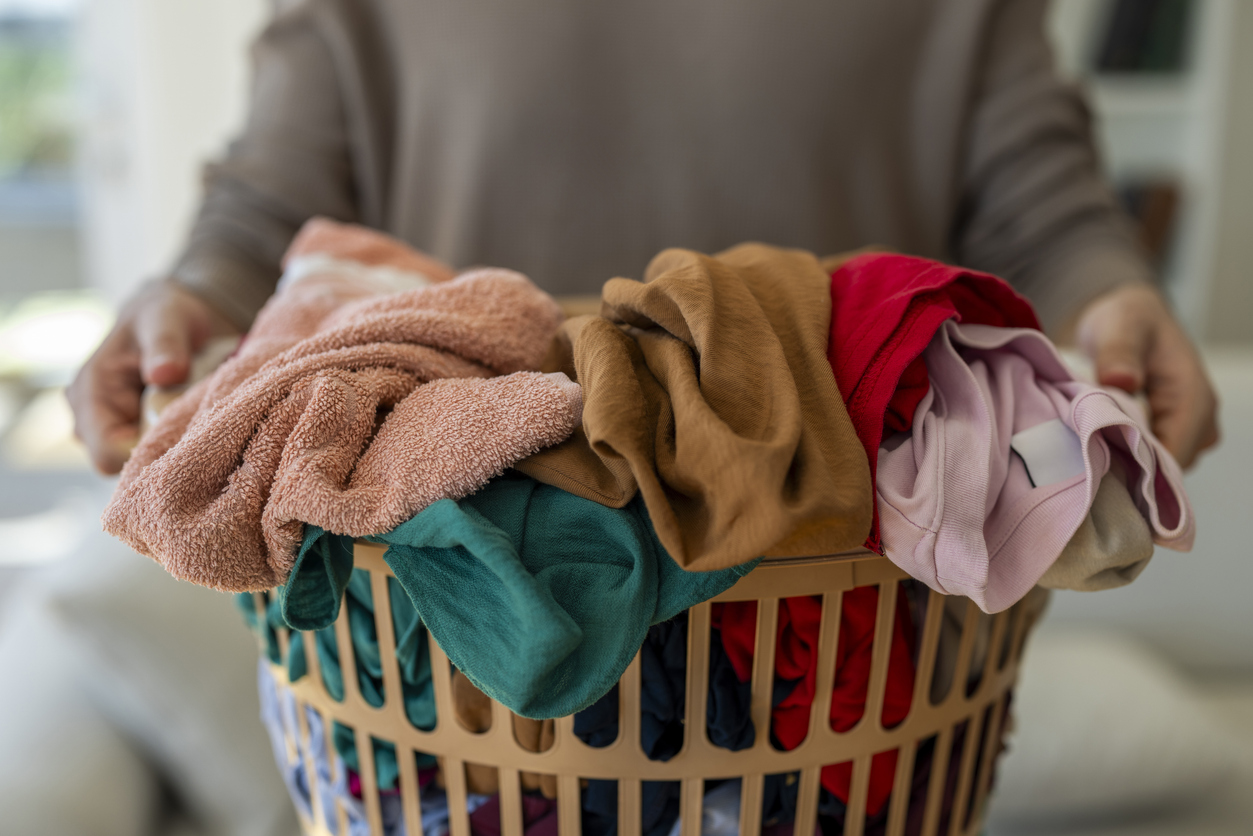
In most homes, the hamper is the one object nobody picked for its looks. It sits next to the tub, it fills up faster than anyone likes to admit, and the lid rarely hides what is inside. In a small bathroom, it also eats floor space that could stay open.
As the Danish news site Dagens.dk reports, more households are moving that basket inside the furniture itself. The idea is simple: the laundry still has a home, it just stops being on display.
What is taking its place
The typical solution is a cabinet with a basket built into it. You pull the basket out, or tilt the front forward, drop in what needs washing and close it again. With the door shut, the room reads as tidy, even in a busy week.
The designs vary more than you might expect:
- Tilt-out cabinets: the front panel swings forward with the basket behind it, a format big-box home stores in the US already carry.
- Split compartments: some models have two or more sections, so lights and darks are sorted before laundry day.
- Combination units: a basket below and shelves above for towels, toiletries or cleaning supplies.
- Several sizes and finishes: slim units for tight spots, wider ones for family bathrooms, in styles meant to blend with the rest of the room.
The appeal is double. One piece of furniture does the work of two, and the floor around the tub and toilet stays clear, which makes a small room feel larger.
The detail that decides whether it works
Hiding laundry has one catch: damp towels and sweaty clothes do not like closed boxes. The Danish article warns that a fully sealed cabinet can trap unpleasant smells. The fix is to look for ventilation holes or a basket made of a breathable material such as woven fiber.
Moisture is the real enemy. The US Environmental Protection Agency explains that damp items dried within 24 to 48 hours will, in most cases, not grow mold, and sums it up in one line: “The key to mold control is moisture control.” In practice, a wet bath towel should hang until it is dry before it goes into any basket, built-in or not. Running the bathroom fan after a shower helps the whole room, cabinet included.
Two quick checks before buying: capacity, because a basket that fills up in two days defeats the purpose, and clearance, since both the door and the pulled-out basket need room to open.
The same thinking is reshaping other rooms in the house: see the single machine more and more laundry rooms are choosing, what designers now fit instead of a walk-in shower and what kitchens are using instead of paper towels.
The limit
A built-in hamper costs more than a plastic basket and trades floor space for wall space, so it suits bathrooms with a free stretch of wall. It also does not change the basic rule: laundry that stays damp will smell, wherever it is stored. For a large family, a separate hamper in the laundry room may still be the more practical choice.
That’s the trick.