

You carry a basket of towels into the laundry room and find the dryer still full of sheets, just as the washer finishes its spin. If you’re thinking about changing that familiar setup, the question is what happens to your Saturday routine when the towels, sheets, and next load are all waiting their turn.
In short
- An all-in-one washer-dryer washes and dries in 1 machine, freeing the floor space beside your washer.
- Ventless models need no exterior dryer vent.
- GE says its Profile UltraFast Combo can wash and dry a large load in about 2 hours.
- Heat-pump combos use less electricity than conventional electric dryers.
One machine takes the place of two
View in gallery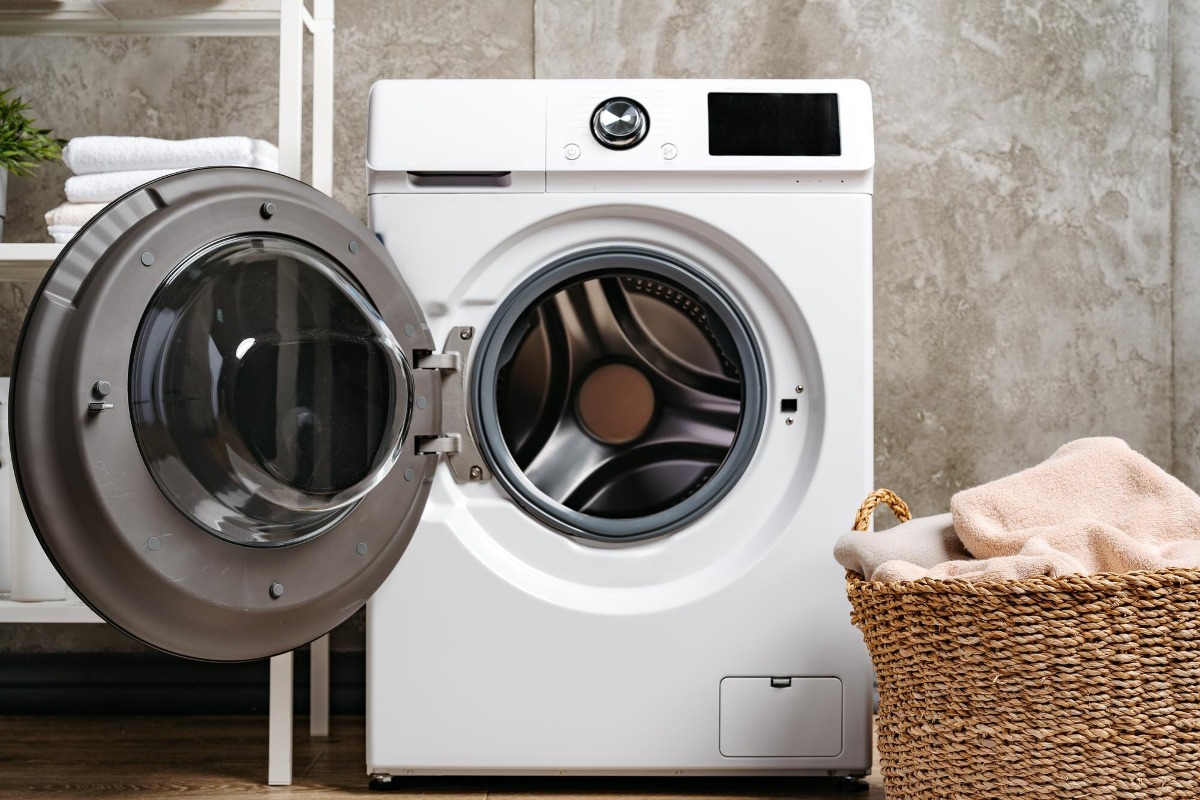
Look at the space beside your washer. If a separate dryer sits there now, an all-in-one combo changes the whole shape of your laundry area. Most are within a few inches of a regular front-load washer, so the machine takes up roughly one washer’s floor space instead of room for a side-by-side pair.
You put the clothes into one drum. The machine washes them there, then dries them there, without a wet load to carry across the room. No more hauling a heavy, dripping load across the room, which matters more than you’d think on a busy Saturday.
The idea has been around longer than it might seem. Bendix Home Appliances invented a washer-dryer combination in 1953. Today’s ventless, heat-pump models bring that familiar two-jobs-in-one idea into laundry spaces where every bit of floor matters.
The vent no longer sets the layout
In a laundry nook without an outside dryer vent, a traditional setup can limit your options before you’ve even started. Most all-in-one combos sold today dry without an exterior vent. Instead, they need somewhere for the collected water to go, such as a drain or a collection tank.
That makes an apartment laundry space or a compact nook easier to imagine with a washer and dryer in it. You are choosing a single appliance rather than finding space for 2 machines and a dryer vent. The washer-sized footprint is the part you see; the ventless drying is what makes the placement work.
The GE Profile UltraFast Combo is one example. It has a 4.8-cubic-foot drum, uses a ventless heat pump and runs on a standard 120V outlet. In other words, this isn’t a compromise machine. It’s a full-sized washer that happens to dry, too.. It is a front-load washer-sized appliance that handles both parts of laundry day.
The load stays put and uses less electricity
People are always looking for ways to optimise their life, and this is a great place to start. Just load it, start it, walk away. You don’t have to come back halfway through to move anything. GE says its Profile UltraFast Combo can wash and dry a large load in about two hours. The clothes stay in the same drum from start to finish.
Heat-pump drying adds another reason to look at these machines. Consumer Reports found that heat-pump combos use substantially less electricity than a conventional electric dryer. LG says its ventless WashCombo can use up to 60% less energy per load than conventional drying.
One drum, one machine, no more shuffling damp clothes from one appliance to the other, and you’re saving money too.
The limit
Drying is where a combo can test your patience, especially when the drum is full. In a Consumer Reports test, a 12-pound load took over 3 hours to dry, and an 8-pound load took over two hours. A combo also cannot wash your next load while it dries the first, so frequent, heavy laundry may favor separate machines. Ron Shimek of Mr. Appliance puts a ventless combo’s typical lifespan at 8 to 10 years, compared with 10 to 13 years for a conventional separate setup, and says combos cost more upfront.
If you do a couple of loads a week or if you are tight on space, a combo could make laundry day easier. If you’re washing for a big household, doing multiple loads every day, two machines will probably still serve you better.