You reach for the loofah hanging in your shower without giving it much thought. Now dermatologists at Cleveland Clinic are questioning that familiar habit, just as shoppers worldwide are reconsidering what they keep beside the soap. It puts the bath accessory you use day after day under a new spotlight.
In short
- Loofahs can hold bacteria, including E. coli, in their dense layers.
- Silicone body scrubbers are soft and nonporous, making them a more hygienic shower choice.
- Washcloths are gentler on skin than loofahs.
- The global market for silicone body scrubbers is projected to reach $893 million in 2026.
Your loofah holds more than water
View in gallery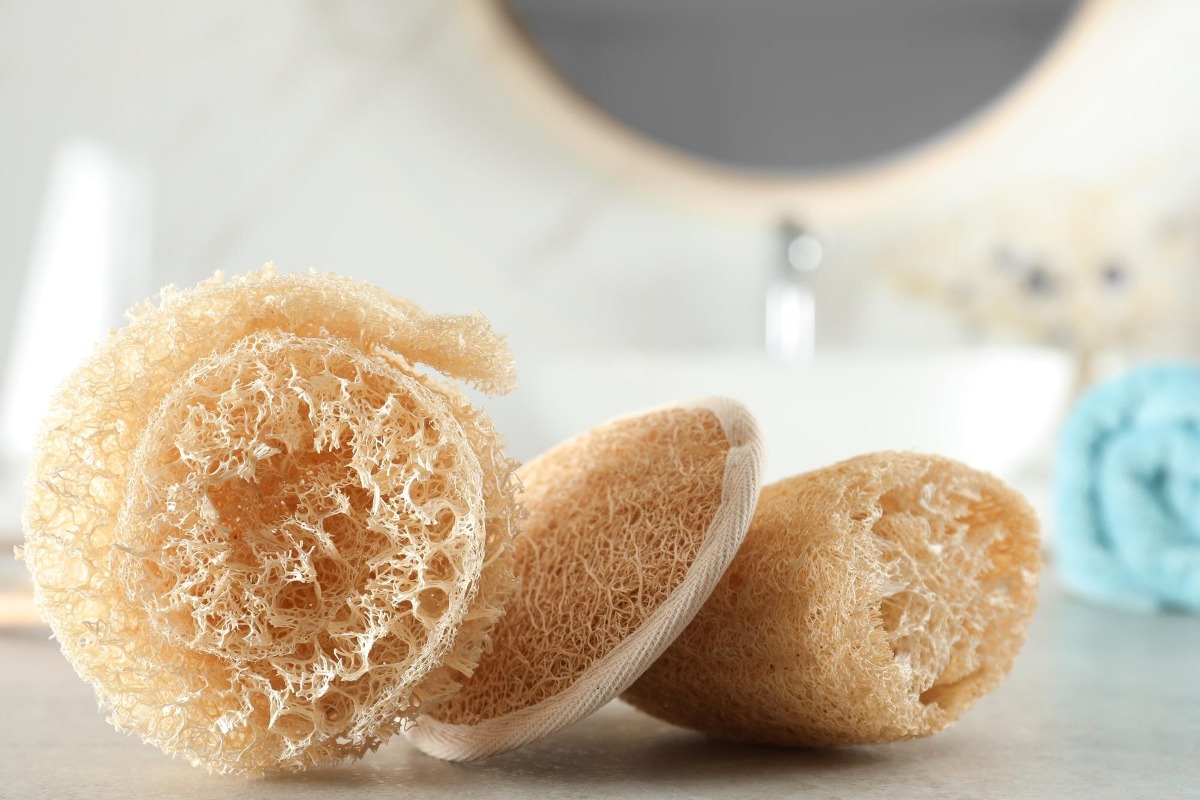
Look at the loofah hanging in your shower. It feels good against your skin, so it is easy to reach for it again tomorrow. Yet its dense, porous layers give bacteria a place to linger between showers.
Cleveland Clinic infectious disease specialist Dr. Donald Dumford explains what happens when staph bacteria on your skin move onto a loofah. They can form a sticky layer that helps them stay there and multiply. Cleveland Clinic also lists E. coli among the bacteria loofahs can harbor.
Keeping a loofah takes attention. Cleveland Clinic recommends drying it every day and cleaning it once a week to curb bacterial growth. Dermatologist Dr. Melissa Piliang advises replacing a natural loofah every 3 to 4 weeks; a plastic mesh one can last up to 2 months. That is a lot to remember about something you use for a few minutes each morning.
Silicone gives you a different surface
Set a silicone body scrubber beside that loofah, and the difference is easy to see. The loofah has layers. The silicone scrubber has a soft, nonporous surface, which helps prevent bacterial growth after you use it. Dermatologists recommend it as an alternative when you want to stop using a loofah.
This is the shower switch behind the 2026 buzz. The global silicone body scrubber market was estimated at $842 million in 2025 and is projected to reach $893 million in 2026. Those figures point to growing interest in a tool that fits into a familiar routine: you still wash in the shower, just without the loofah’s dense material.
For you, the appeal is less about following a trend than about the tool in your hand. A soft scrubber offers another way to wash while leaving behind the porous layers that make a loofah harder to keep clean.
The washcloth belongs in the conversation
There may already be another option in your linen closet. A washcloth gives you a familiar way to wash without the rough feel of a loofah. Dermatologists recommend washcloths for all skin types because they are less abrasive and reduce the chance of tiny tears in the skin.
That makes the choice feel less like buying into a bathroom trend. You can pick the soft silicone scrubber, or reach for a washcloth you already know. Both offer a gentler answer to the same question raised by the damp loofah hanging in your shower: what do you want against your skin each day?
The limit
Neither alternative gives you the same coarse scrubbing feel as a loofah. Nonporous silicone helps prevent bacterial growth; it does not mean a shower tool never needs cleaning. The $893 million figure is a market projection, not proof that everyone is replacing loofahs in 2026. And if you keep yours, Cleveland Clinic’s drying, cleaning and replacement guidance still matters.