You turn on the shower and rarely think about the water heater tucked in your basement or closet. When it starts leaking, asking your plumber for another tank may feel like the obvious move. Yet the model you choose during that visit will show up on your utility bills for years.
In short
- Heat pump water heaters are the fastest-growing segment of U.S. water heater sales.
- They use 70% less energy than standard electric water heaters.
- A household of 4 can save about $550 a year on electric bills with an ENERGY STAR certified model.
- New federal standards take effect in 2029 for most electric storage water heaters.
The familiar tank has a new rival
View in gallery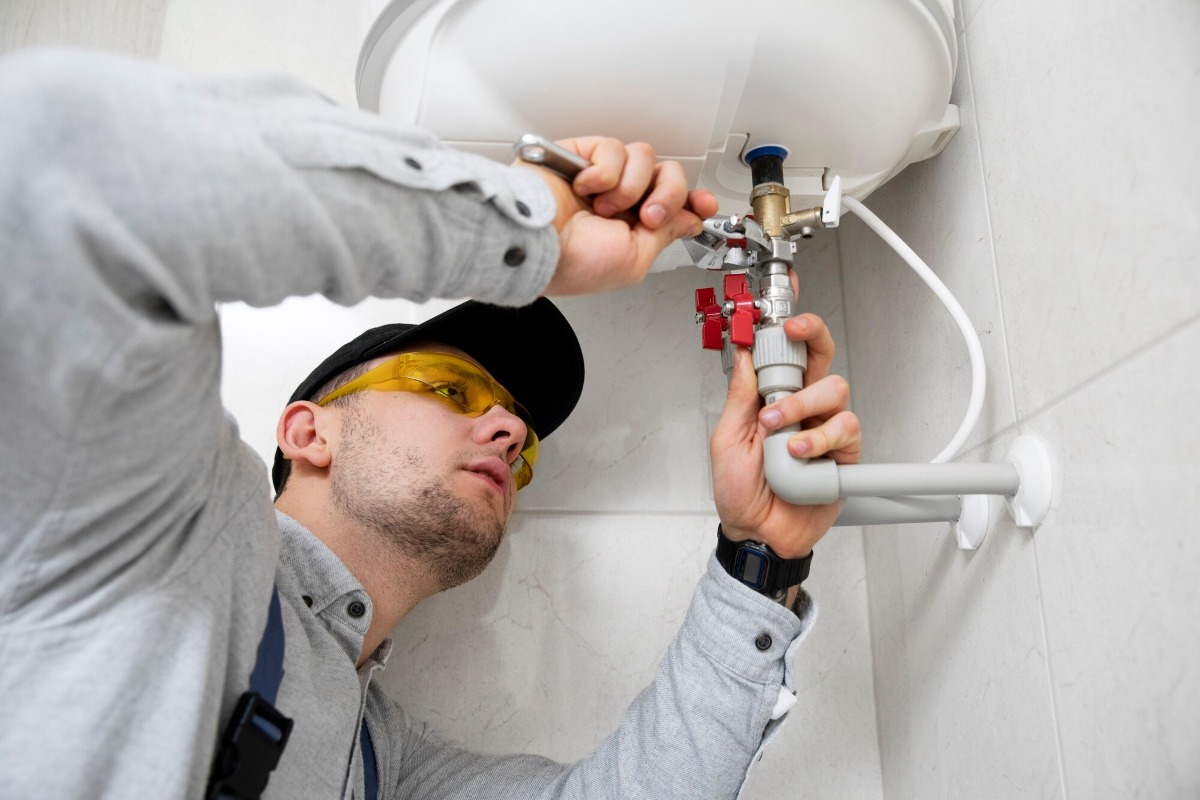
Think of the hot water behind your morning shower and the dishes waiting in your kitchen sink. A conventional electric tank keeps that routine going. When it is time for a replacement, you now have another choice: a heat pump water heater.
It still stores hot water, so this is not a switch to a tankless appliance. The difference is how it heats the water. A heat pump model draws heat from the surrounding air instead of relying on electric resistance to do all the heating.
That change shows up on your bill. ENERGY STAR says certified models use 70% less energy than standard electric water heaters and can deliver about $550 in yearly savings for a household of 4. Over the unit’s lifetime, the estimated savings top $5,610. The U.S. Department of Energy puts heat pump water heaters at 2 to 3 times the efficiency of conventional electric resistance models.
The appeal extends beyond your utility bill. If every electric water heater sold in the U.S. were an ENERGY STAR certified heat pump model, ENERGY STAR estimates that about 150 billion pounds of greenhouse gas emissions would be prevented each year.
Tankless is a different choice
At the store, you may see 3 options: a standard tank, a tankless heater and a heat pump water heater. The standard tank has a familiar advantage. It generally costs less to buy and install than a heat pump model, and it heats water quickly.
Tankless units heat water on demand. They are roughly 22% more efficient than water heaters with tanks, based on testing cited by Consumer Reports. Gas tankless models also use less energy than gas storage tank heaters. A heat pump model makes a stronger efficiency case when you are replacing a conventional electric water heater.
Price tags tell another part of the story. Based on more than 30,000 verified projects, Angi puts the 2026 average water heater replacement at $1,349. Tank-style replacements run from $881 to $1,826, while tankless replacements run from $1,400 to $3,900. A typical storage tank lasts 8 to 12 years; heat pump models typically last 10 to 15.
The next standard favors heat pumps
This shift is already visible in sales. ENERGY STAR shipment data shows that the residential heat pump water heater market grew 26% in 2022. An action plan from the Northeast States for Coordinated Air Use Management aims for heat pump models to reach 65% of water heater sales by 2030 and 90% by 2040.
Federal rules add another reason you will see more of them. On May 6, 2029, new Department of Energy standards take effect that effectively require heat-pump-level efficiency for most electric storage water heaters. If your current heater is nearing replacement age, the efficient option you see today is also the direction the market is moving.
The limit
Heat pump water heaters still account for a small share of U.S. purchases, so the change is underway rather than complete. Their higher upfront cost can be a hurdle, and an unheated space such as a cold garage can affect performance because the heater draws warmth from nearby air. The federal tax credit that offered up to $2,000 for eligible heat pump water heaters expired for equipment placed in service after December 31, 2025. The 2029 rule does not cover residential gas tankless models, so check your home’s setup and compare the full replacement cost with the expected savings.