On a dry Saturday, the white strip along the house looked crisp: no bare soil, no weeds, no mess. Then the first steady fall rain left brown ribbons through the stones and a damp line against the wall. By morning, the gravel was showing a problem that summer had kept out of sight.
What the brown ribbons are telling you
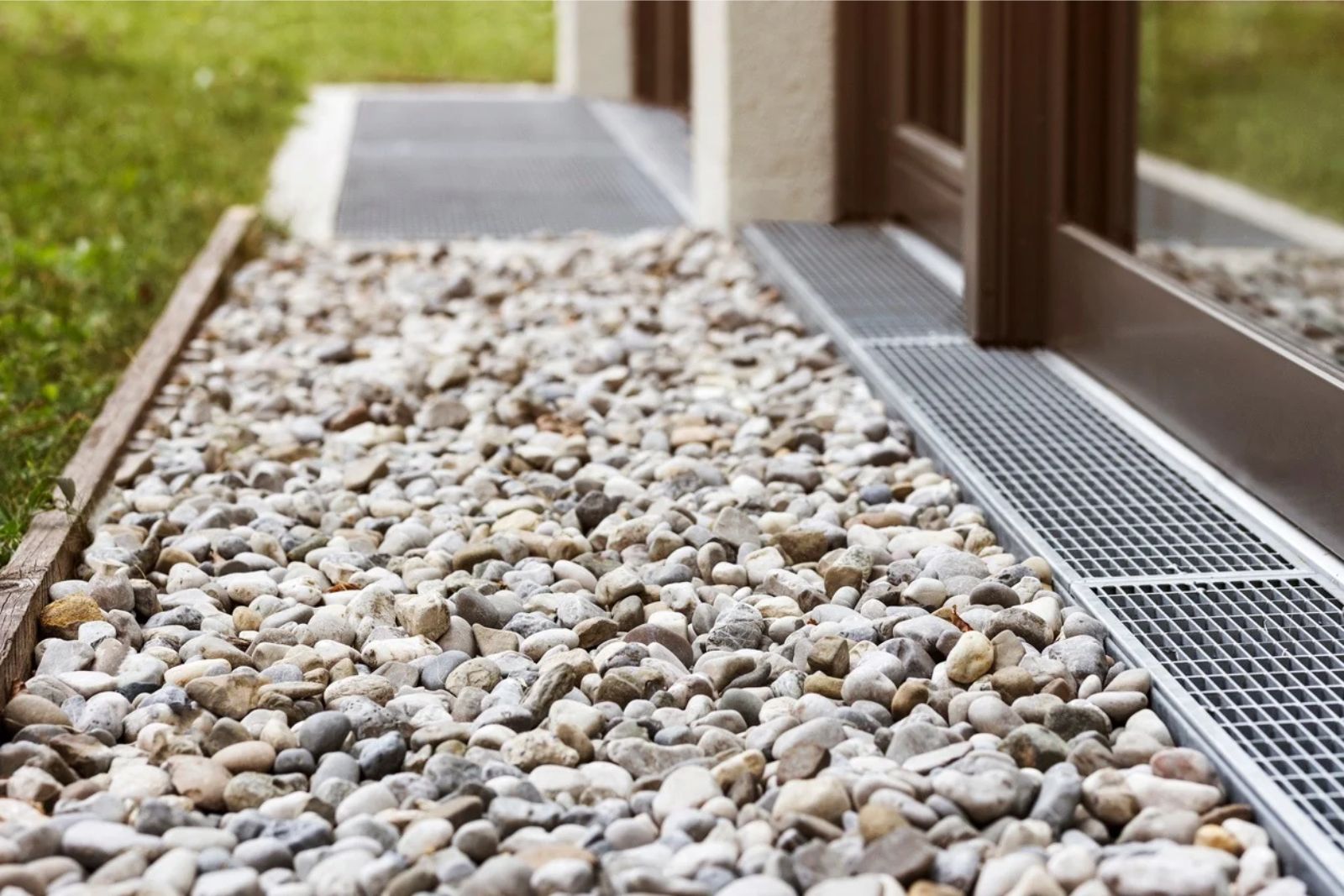
Gravel feels like drainage. Rain vanishes between the stones, so it seems to be going somewhere useful. But the stone only gives water a fast route down to the soil. From there, the water follows whatever shape the ground already has. If the soil slopes toward the house or hides a shallow hollow, that’s where it settles: right beside the foundation.
The first downpour makes that hidden shape visible. Silt washes in from the bare edges, low spots turn dark, and water can pool against the wall. Those brown ribbons are a map of where your ground sends the rain.
The ground should drop at least 6 inches within the first 10 feet from the house, and it should stay at least 6 inches below the siding. And the weeds you hoped to banish? They have a plan of their own.
The weeds that grow on top of the stones
Fresh rock over cleared soil blocks the light, and for a while, seedlings struggle. Then dust, grass clippings, fallen leaves and windblown soil slowly settle between the stones.
That layer becomes a brand-new bed above the fabric. Seeds sprout on top, while tough perennial weeds can push up from underneath. And pulling them out of gravel is harder than weeding an ordinary flower bed.
If you still love the clean look, save these rock landscaping ideas for edged paths, dry creek beds and other contained spots. They’re easier to rake or blow clean when leaves and soil start piling up. For the strip against the house, though, the real fix starts underneath the stone.
Lift the gravel and fix the slope
Wait for a dry day. Rake the gravel onto a tarp or into a wheelbarrow, then pull back enough fabric to see the soil. Take out every weed and root you can find.
Now check the grade with a level and a 10-foot mason’s line. The far end should sit about 6 inches lower than the spot beside the foundation. Fill any dips with compactable soil, not more gravel, and tamp it down in thin layers before checking the slope again. Leave room for the stone so the finished surface stays below the siding.
While you’re there, move the downspout outlet past the gravel bed. Otherwise, roof water will pour straight into the strip you just repaired.
Once the soil sends water away from the house, lay a permeable nonwoven geotextile to keep soil and stone apart. Then spread the gravel back in an even layer, and add edging to keep it from wandering into the lawn.
From then on, the work is small but steady: keep soil, leaves and clippings off the surface. Left in place, they become the next weed bed between the stones.
When the rain needs more than stone
Gravel slows weeds, but it never keeps a bed weed-free for good. Skip solid plastic, which blocks water and air, and keep stone below siding, foundation vents, flashing and wall drainage openings.
If you can’t keep the 6-inch clearance with an outward slope, call a drainage or foundation professional. Persistent puddles, a damp basement, white mineral deposits or washed-out soil call for grading, a swale or a drain, not more stone.