
You open the upper cabinet, shift three mugs, then reach past the mixing bowl for the plate you use every day. That wall of doors used to come with almost every kitchen. In new kitchens, designers are rethinking it, and the wall is getting a very different job.
What happens when the wall opens up
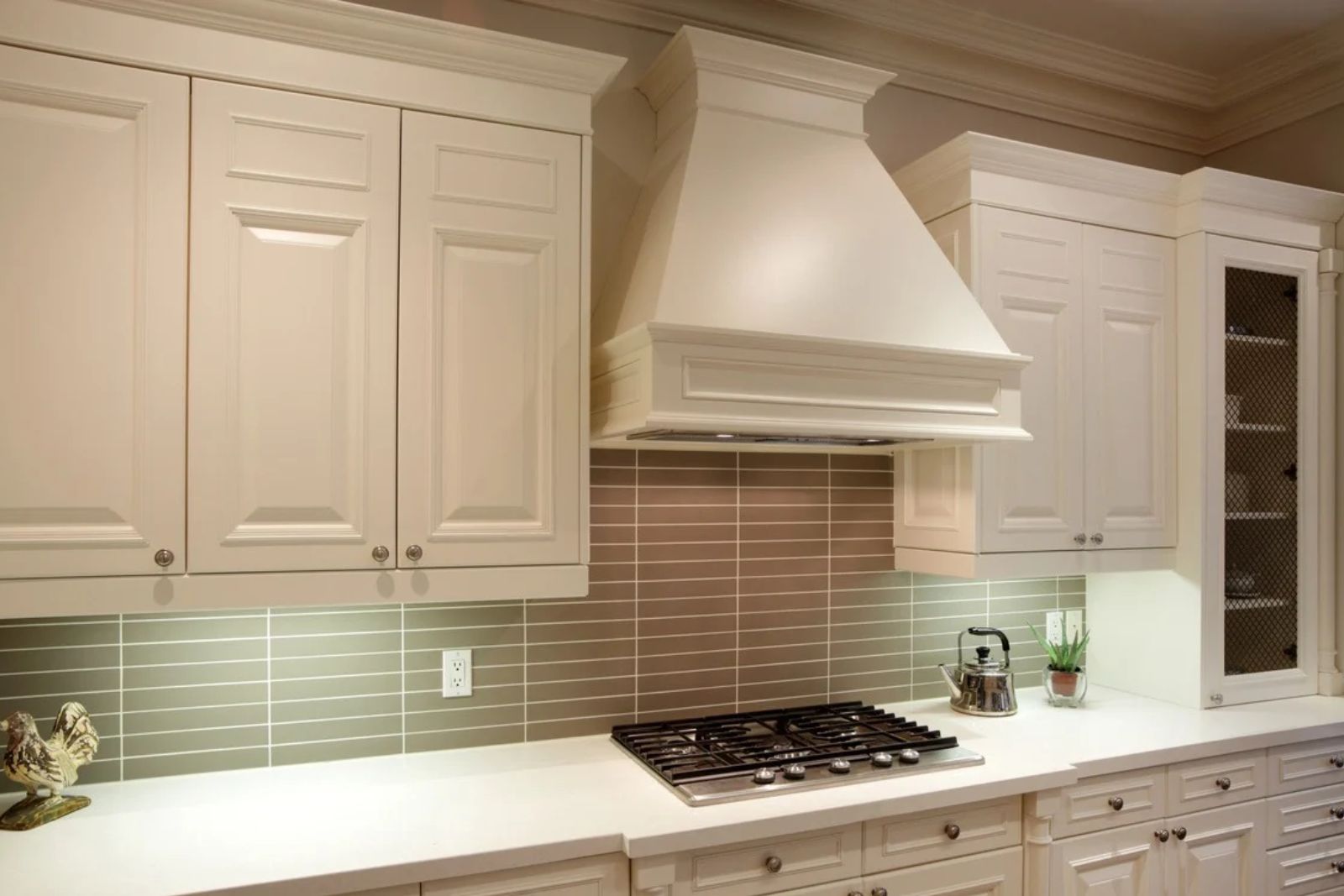
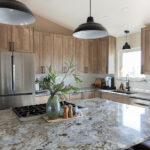
Upper cabinets sit right at eye level and stick out over the counter. They shrink the wall you see and throw shade on the spot where you chop and stir. Take away a full row, and the backsplash suddenly looks wider. Put a window in its place, and daylight reaches farther into the room.
Even without big construction, a few sconces, a piece of artwork or one smooth slab can make the kitchen feel more like a living room. Suddenly you can chop onions without cracking your head on a door.
That said, upper cabinets aren’t going anywhere just yet. Plenty of designers are leaving them out of new layouts, but plenty of homeowners still want them. Plus, even the airiest kitchens usually have another place to hide the toaster, the cereal and the holiday platters.
Where the plates and platters end up
Storage moves down and to the side. Deep drawers under the counter bring pans, bowls and dishes toward you, instead of hiding them behind a door you have to reach up to. Tall pantry cabinets, appliance garages, countertop cabinets and, in bigger projects, back kitchens take over the bulky, mismatched things that used to live overhead. Expanded pantries, cabinetry and back kitchens also help create more organized zones.
That frees the wall for one narrow ledge, a traditional plate rack, a few shallow shelves, a bigger window, lighting or art. Think of the shelf as the finishing touch. It won’t do the heavy lifting. The best ones hold what you actually reach for: coffee cups by the machine, plates near the dishwasher, oils kept away from cooking splatter. If you love the display side, these open shelving kitchen ideas show the difference between a shelf that works every day and a wall that turns into a dumping ground.
Not sure yours could cope without them? There’s an easy way to find out.
A week with the cabinet empty
Before anything comes down, try living without it for seven days. Empty the section you’d like to remove. Move your everyday dishes into drawers or onto a temporary cart, and box up the rest. If you’re opening those boxes every evening, you haven’t found enough storage elsewhere. If you forget they exist, that row of uppers may be expendable.
You can also tape the outline of the planned shelf on the wall and leave it up for 48 hours. Then see whether it crowds the counter or blocks a comfortable reach.
You don’t need much. One tall pantry, two or three banks of base drawers and one shelf for everyday dishes should suffice. That keeps useful space for your things without rebuilding the same heavy wall in another form.
When the vent hood says no
Check the manuals for your cooker and hood. They’ll tell you how much clearance you need and where the ducting has to run. If taking cabinets down uncovers wiring or changes the ventilation, call a licensed electrician or qualified installer.
Open shelves collect dust and cooking film and put clutter on display, so in a small kitchen with no pantry, you’ll probably be happier keeping a few closed uppers and breaking them up with a single shelf or a glass-fronted section.