Burying the garden hose under a strip of sod seemed like the perfect fix: no more dragging it across the yard every week. Then the plants beyond the trench started getting barely any water. Reopening the ground told the real story.
The shortcut under the sod
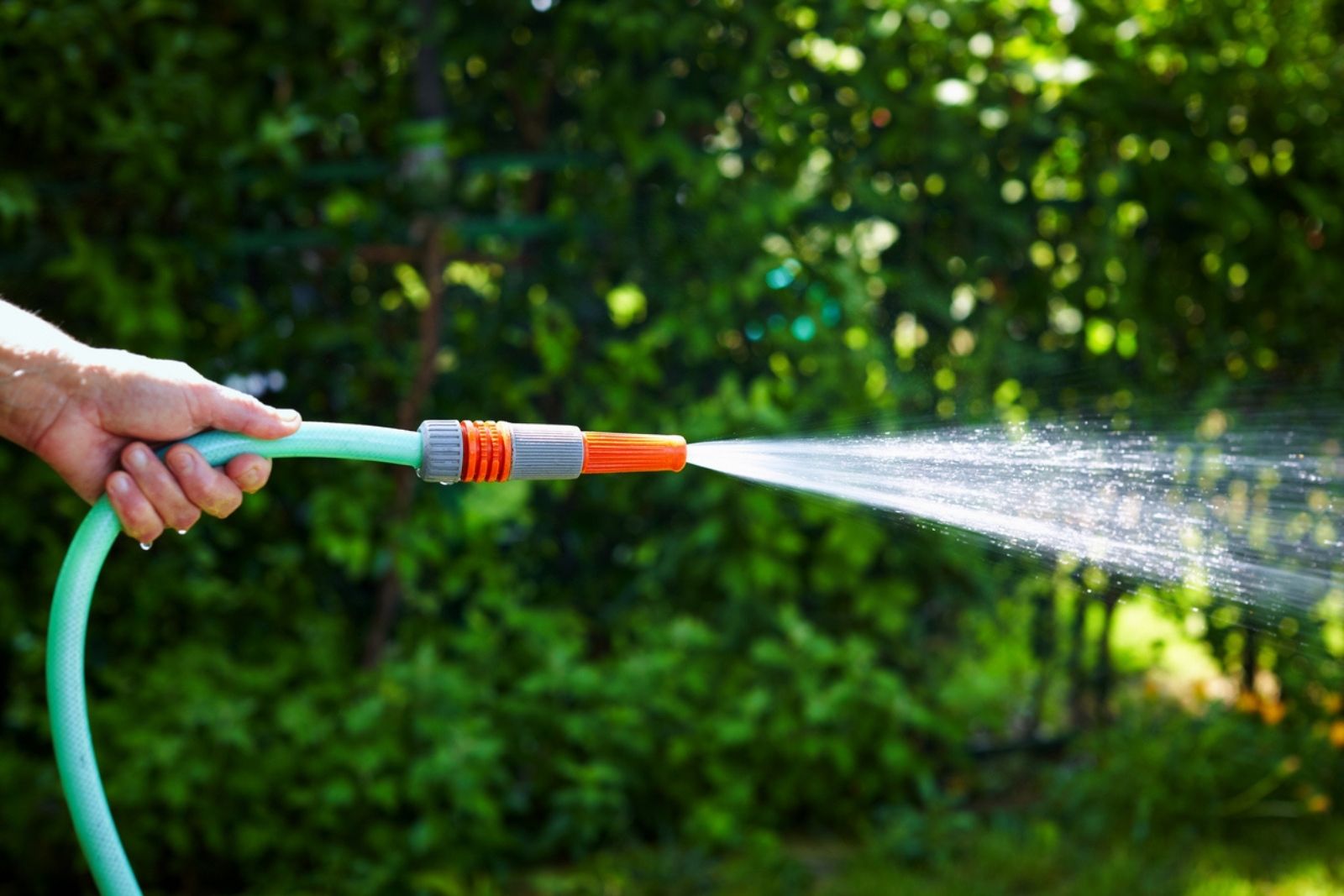
A garden hose with no holes in it can work as a shallow supply line between the faucet and the garden. Once it’s underground, feet and mower wheels have a clear path. Add a timer, and one more chore drops off the watering routine.
The setup that works keeps two jobs apart. The hidden line only carries the water. Drip tubing, left in sight near the plants, does the watering.
One soggy patch tells the story
Water under pressure takes any exit it can find. Above ground, a hole sends up an obvious jet. Underground, the soil swallows the spray. What’s left is a soggy pocket around the break and less pressure at the far end.
Roots grow more vigorously through that damp soil and can crowd small outlets. Dirt can also clog an emitter from the outside. A rodent’s teeth, a shovel or a tiller can do damage that stays hidden under the lawn.
That’s why the first clue usually shows up somewhere else. One plant wilts. Another spot stays strangely wet. The end of the line barely flows. Where the hose comes up out of the ground, it can look perfectly fine, even as water escapes several feet away.
Test the line before the sod goes back
For a small garden, sketch the route first, and use 1/2-inch black polyethylene irrigation tubing as the buried supply line. At the faucet, connect a backflow preventer, a filter and a pressure regulator before the tubing. They protect your drinking water, keep grit away from small emitters and tame household water pressure.
Dig a straight trench, with the route and depth chosen to reduce the chance of damage from a mower, shovel or tiller. Lay the tubing without kinks, and keep valves and removable connections within reach. Leave the far end open and flush the line briefly, until the water runs clear. Then cap it, turn the water on and walk the whole route before any soil goes back.
Once the line passes that test, cover it, take a photo of the route and mark it on your garden plan. On the first watering, run the system for 20 minutes, then dig a small test hole near a plant. If the root zone is still dry, keep watering. Sandy soil carries water down faster, while clay spreads it sideways.
Before the shovel, and after the frost
Before you dig, verify the appropriate utility-marking service for your area. If you plan to contact 811, confirm the web address, allow a few business days and wait for every utility to respond. Gas, electrical and communication lines can sit close to the surface.
Keep porous soaker hose above the soil, hidden under mulch, since dirt can clog its pores. Before freezing weather, drain the system and store the regulator, filter and backflow device indoors. Year-round remote faucets need a licensed professional.