You pick up your keys, and your dog follows you to the kitchen door before you leave for work. When you come home to a chewed slipper or a puddle by the door, you may wonder how your workday compares with the limit veterinarians recommend.
In short
- For adult dogs over 6 months old, 6 to 8 hours alone is the outer limit. About 4 to 6 hours is the better target.
- Puppies need shorter stretches alone: about 1 hour under 10 weeks old, then roughly 1 hour per month of age.
- Barking, indoor accidents, destruction and escape attempts are signs of separation anxiety.
- In a UK survey, 23% of owners said their dogs spent at least 5 hours alone on a typical weekday or said they did not track the time.
Adult dogs need time with you
View in gallery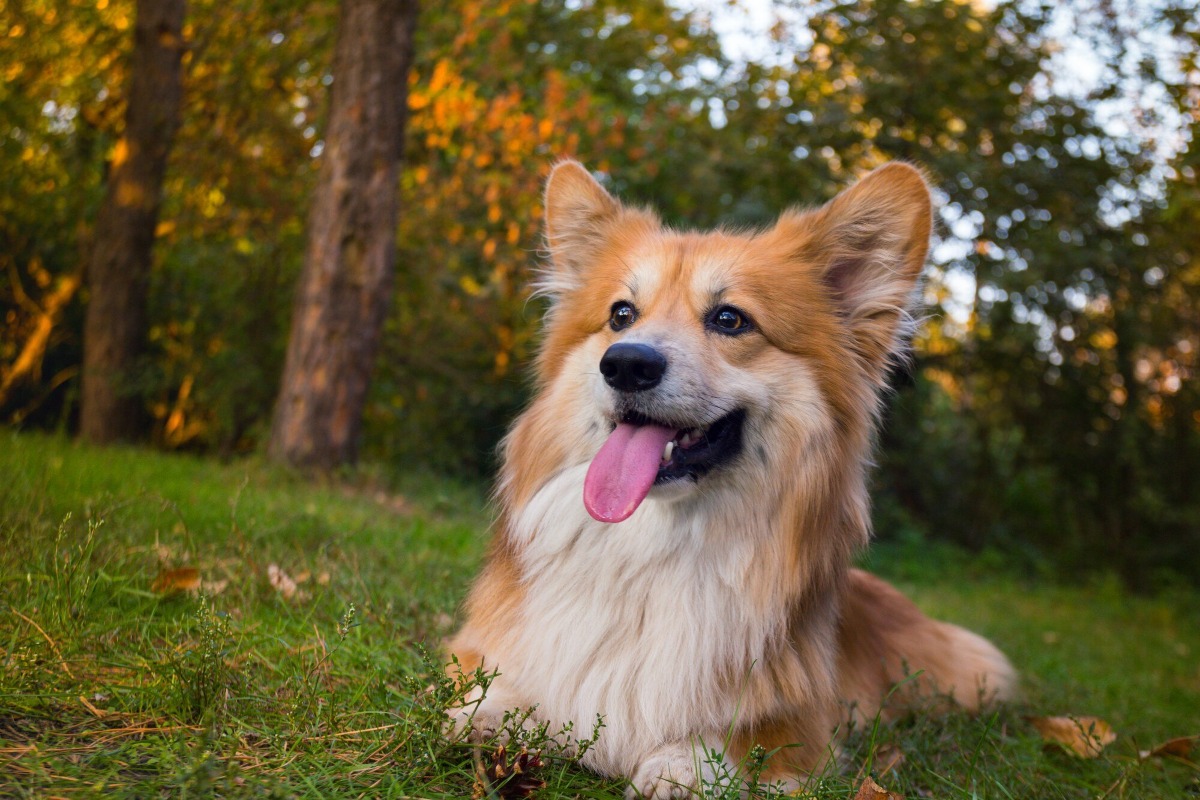
Your dog watches you pick up your keys. There is a comfortable place to sleep and a quiet house waiting, so a full day away can seem reasonable. The clock, though, starts when you leave the house and stops when you come back, not when your workday ends.
The American Kennel Club cites veterinary behaviorist Dr. Vint Virga’s limit of 6 to 8 hours for dogs over 6 months old. That is the longest stretch without a chance to relieve themselves. For an everyday schedule, about 4 to 6 hours is a better target for an adult dog.
Think about the whole trip when you plan your dog’s day. Time spent getting to work, working and getting home is all time your dog spends without you. A chance to go out during that stretch changes what the day feels like for the dog waiting at home.
Puppies have their own clock
With a puppy, you can get to the end of a quick errand and realize it took longer than you thought. Their alone-time window is much shorter than an adult dog’s. The American Kennel Club puts it at about 1 hour for puppies under 10 weeks old and about 2 hours at 10 to 12 weeks.
From there, the guideline rises roughly 1 hour for each month of age. That means about 3 hours at 3 months, 4 hours at 4 months and 5 hours at 5 months. Those numbers make it easier to see why the schedule that works for an older dog does not fit a new puppy.
When you make plans, count from the moment you step out until the moment you return. Even a familiar outing can fill a large part of a young puppy’s window. A shorter stretch away gives you a schedule that matches the age of the dog you have now.
Distress can start at the door
You come home and hear barking before you reach the door. Inside, you find something chewed or an accident on the floor. Those are among the behaviors the ASPCA identifies as signs of separation anxiety, along with attempts to escape.
The timing is worth noticing. The ASPCA says a dog with separation anxiety often begins barking or showing distress within minutes of being left alone. The American Veterinary Medical Association also describes reactions that begin as an owner departs, including vocalizing and urinating.
So pay attention to what happens around departures, not just what you find when you get home. That gives you a clearer picture of your dog’s time alone. It also brings the question back to the daily schedule: how long is your dog actually waiting between chances to be with you and go out?
The limit
These hour ranges are guides, not a promise that every dog will be comfortable for exactly that long. A dog’s health, routine and response to being alone matter, and barking or an indoor accident does not by itself establish separation anxiety. The UK survey’s 23% figure combines owners who reported at least 5 hours with owners who did not track the time; it does not show that most owners exceed the 6-to-8-hour maximum, or establish a figure for US owners. If your dog shows distress when you leave, reassess the time alone rather than treating the outer limit as a goal.