

You open the fridge or a drawer and catch a stale smell, even though nothing looks dirty. Two things already sitting in your cupboard, bay leaves and baking soda, can become a small deodorizing sachet in about five minutes. But the reason people pair them isn’t quite what it seems.
That stale air in a closed space
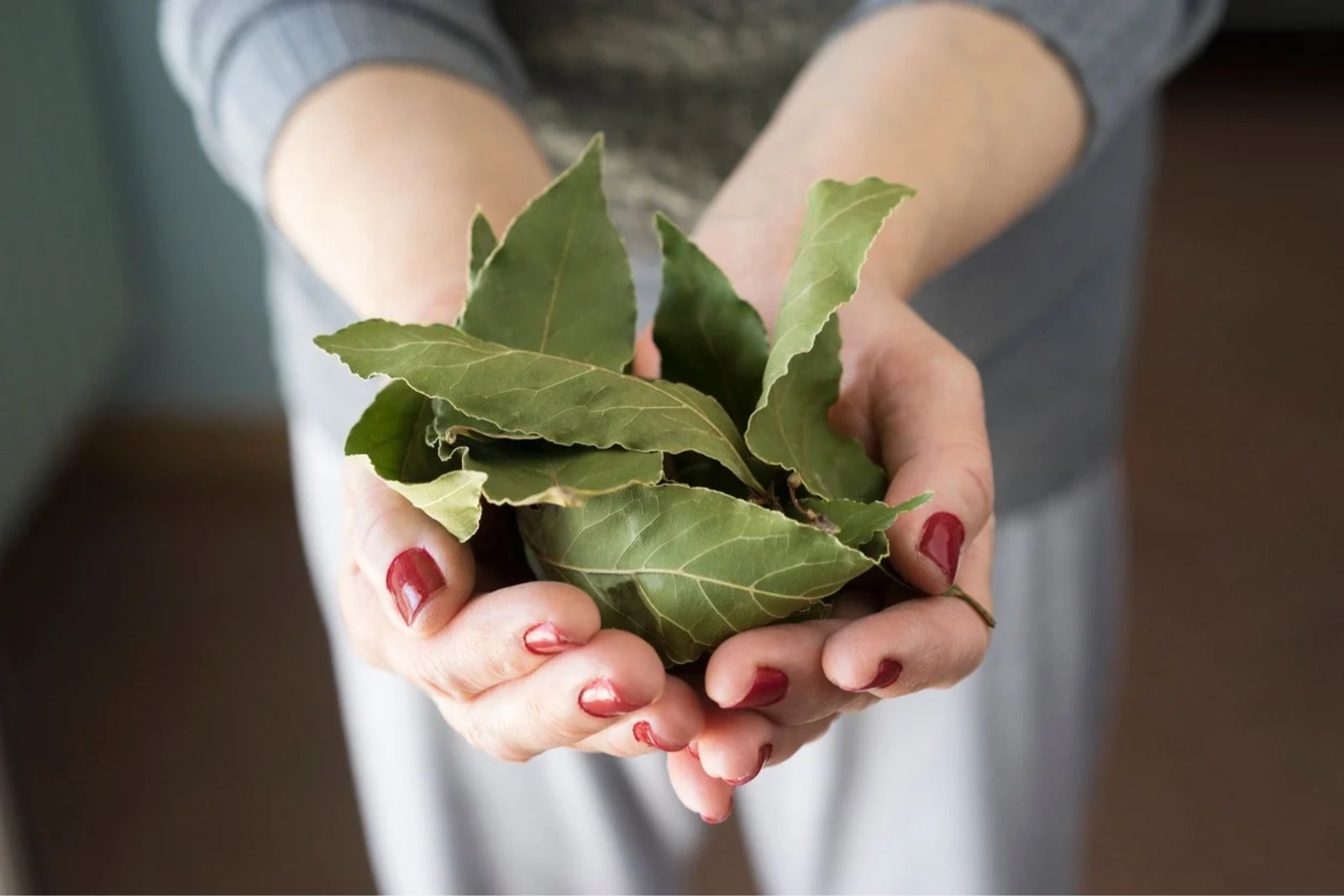
Unpleasant smells tend to linger in places with limited air circulation: drawers, closets and the refrigerator. Those are exactly the spots this little mix is made for. Crushed dried bay leaves and baking soda sit together in a breathable sachet, offering a mild herbal fragrance and potentially reducing certain odors.
Think of it as a lightly scented potpourri paired with a deodorizing powder. Once you’ve dealt with whatever caused the smell, it may help reduce lingering everyday odors.
It’s easy to see why people like it. Both ingredients cost pennies, it takes minutes to make, and there’s no plug, flame or aerosol involved. Still, the two ingredients don’t do the same job.
What each one actually does
Baking soda provides the deodorizing action. As a mildly alkaline substance, sodium bicarbonate can react with certain acidic compounds responsible for unpleasant smells rather than simply masking them with fragrance.
Its use as a refrigerator deodorizer is also recommended by ARM & HAMMER, although its effectiveness depends on the source of the odor and the powder’s exposure to the surrounding air.
Bay leaves primarily contribute a warm, herbal scent. Crushing the dried leaves helps release their aromatic compounds.
The catch is, there’s no evidence that bay leaves make baking soda work any better. The baking soda tackles the smell while the bay leaves just make the drawer smell nice. It’s a team of two, each doing its own job.
Five minutes at the counter
A household tip published by El Cronista suggests combining five completely dry culinary bay leaves with two teaspoons of baking soda.
Crumble or finely cut the leaves, stir them into the powder and transfer the mixture to a clean, dry jar.
Spoon about one teaspoon into a small cotton or muslin sachet and close it securely. Place it inside a drawer or on a closet shelf. Don’t worry about exact amounts. There’s no magic ratio, so a little more or less is fine.
For refrigerator use, place the sachet in a shallow dish on a stable shelf, away from uncovered food. Alternatively, an open container of plain baking soda allows more direct contact between the powder and the surrounding air.
Before putting either deodorizer in place, clean the space. Discard spoiled food, wipe up refrigerator spills and wash any containers responsible for unpleasant odors.
It’s the same principle as using a jar of coffee grounds: a deodorizer is no substitute for removing the source of the smell.
Store the unused mixture in a closed, dry jar. If a sachet becomes damp, discard its contents rather than returning them to storage. Once the scent fades or the smell starts creeping back, make a fresh batch.
When the smell is more than a sachet can handle
Keep the loose mixture away from children, pets and uncovered food. It may help reduce certain odors, but it does not disinfect surfaces, sanitize the refrigerator or reliably prevent pantry pests.
If a musty smell won’t go away, a sachet won’t fix it. Look for damp, let some air in, and check for leaks.
The U.S. Environmental Protection Agency advises consulting its more extensive remediation guidance when mold growth exceeds approximately 10 square feet. Professional assistance is particularly important when contamination involves sewage or other polluted water. Anyone concerned about potential health effects should consult a healthcare professional.
Bay leaves and baking soda offer a simple way to experiment with household deodorizing. But if a smell keeps coming back, it’s telling you something. Find the source and deal with that first.