

The filter is still warm on the counter, and the damp grounds inside look far too useful to toss. A splash of white vinegar seems like an easy way to give them one more job before the trash. But what does that brown little mix really do, and where should it never go?
The grounds still sitting in the filter
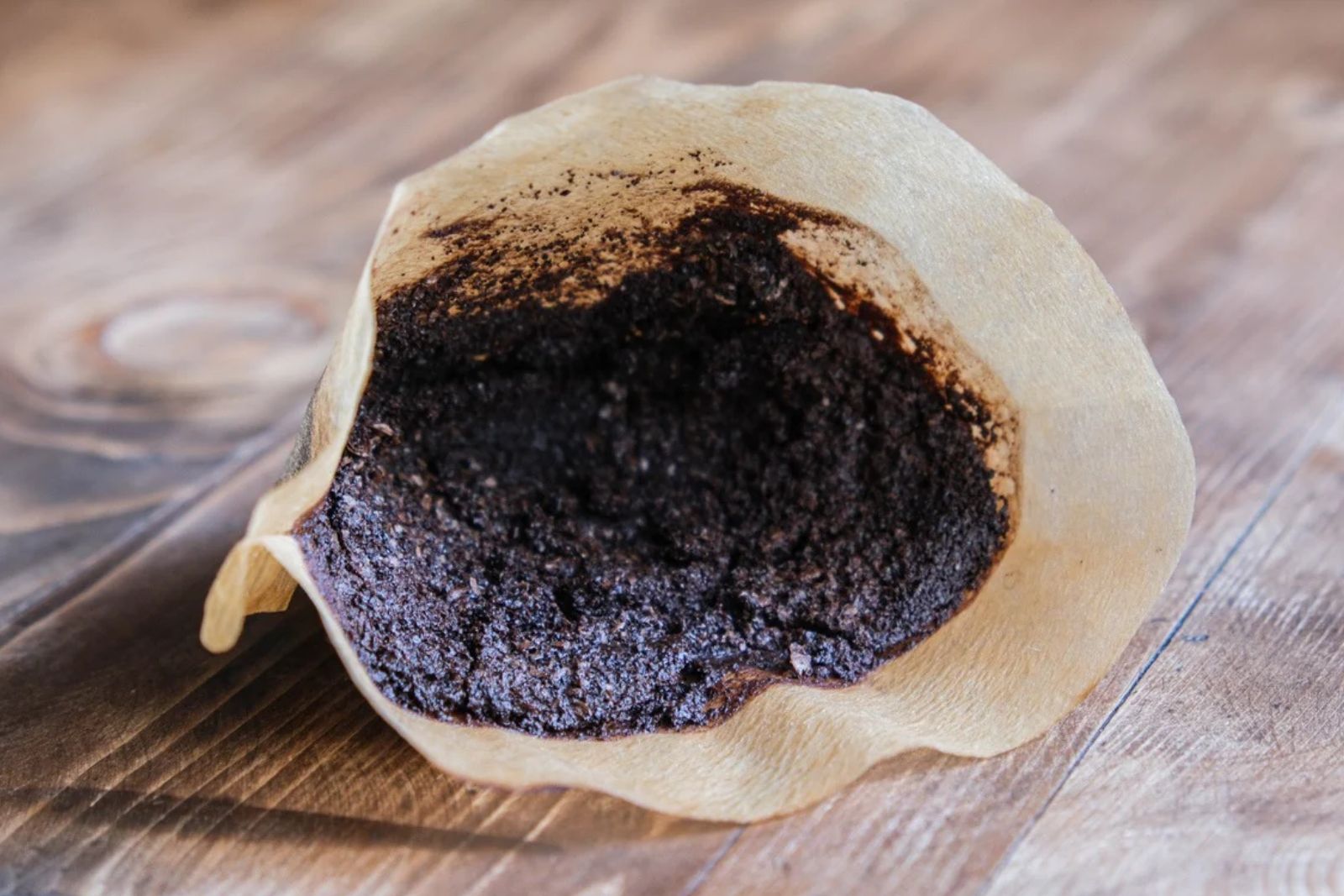
It all starts with what’s already in your kitchen. Used grounds are free, vinegar is cheap, and there’s something satisfying about getting one more job out of them before they head for the trash.
So people stir the two into a damp paste and use it on light, stuck-on food and everyday grime. It works on tough surfaces that can handle a little acid, as long as the manufacturer’s care guide says that’s OK.
It’s the same use-it-before-you-toss-it habit behind orange peels steeped in vinegar. The difference here is the grit from the coffee grounds. It produces a scrub rather than a spray.
What gives the paste its bite
The coffee grounds do the rubbing. Their tiny particles work against cooked-on residue a bit like a mild scouring powder. They help loosen bits that a smooth cloth would just glide over.
The vinegar brings the acid. It can soften chalky mineral spots and some other kinds of residue. It also turns loose, crumbly grounds into a paste that stays where you put it, instead of sliding off the pan.
Together, they’ll shift everyday buildup. Just don’t expect miracles: the paste is more modest than a lot of viral posts make out, and it should never go near natural stone.
Three minutes on a stuck-on pan
Start with a pan or sink that has cooled to room temperature. Glance at its care guide first. Then test a small hidden spot to make sure the paste to make sure it doesn’t dull or scratch the finish
Next, put two or three tablespoons of freshly used grounds in a small bowl. Add room-temperature white vinegar one teaspoon at a time and stir. You want a damp paste you can spread, not a runny slurry. Make only what you need for the job in front of you.
Before the paste goes on, wash away loose grease with warm water and dish soap. Then spread the mix over what’s left with a soft sponge. Let it sit for about three minutes, and rub gently until the buildup starts to lift. Don’t press hard: extra pressure only raises the risk of scratches.
When you’re done, scoop most of the brown paste into the trash with a paper towel. Rinse well with warm water, wash the surface once more with dish soap and dry it. Check the seams and the edges around fittings, because stray grounds love to hide there.
Where a coffee scrub stops
Never mix this paste with chlorine bleach: University of Florida Extension warns the pair can create toxic fumes. Keep it off natural stone, nonstick coatings, enamel, polished metal and wood.
It won’t cut thick grease, save a badly burned pan or fix scratches, and it isn’t a disinfectant, so when something needs properly disinfecting, use a cleaner made for the job. Toss the grounds in the trash, too: they can lodge in drain traps and cause backups.