Your bananas were green-tipped yesterday, yellow at breakfast, and freckled by dinner. So you push the bunch into the fridge, or back into the fruit bowl next to the apples, and hope tomorrow goes better. Both are common reflexes, and neither does green bananas any favors.
What really happens in the fruit bowl
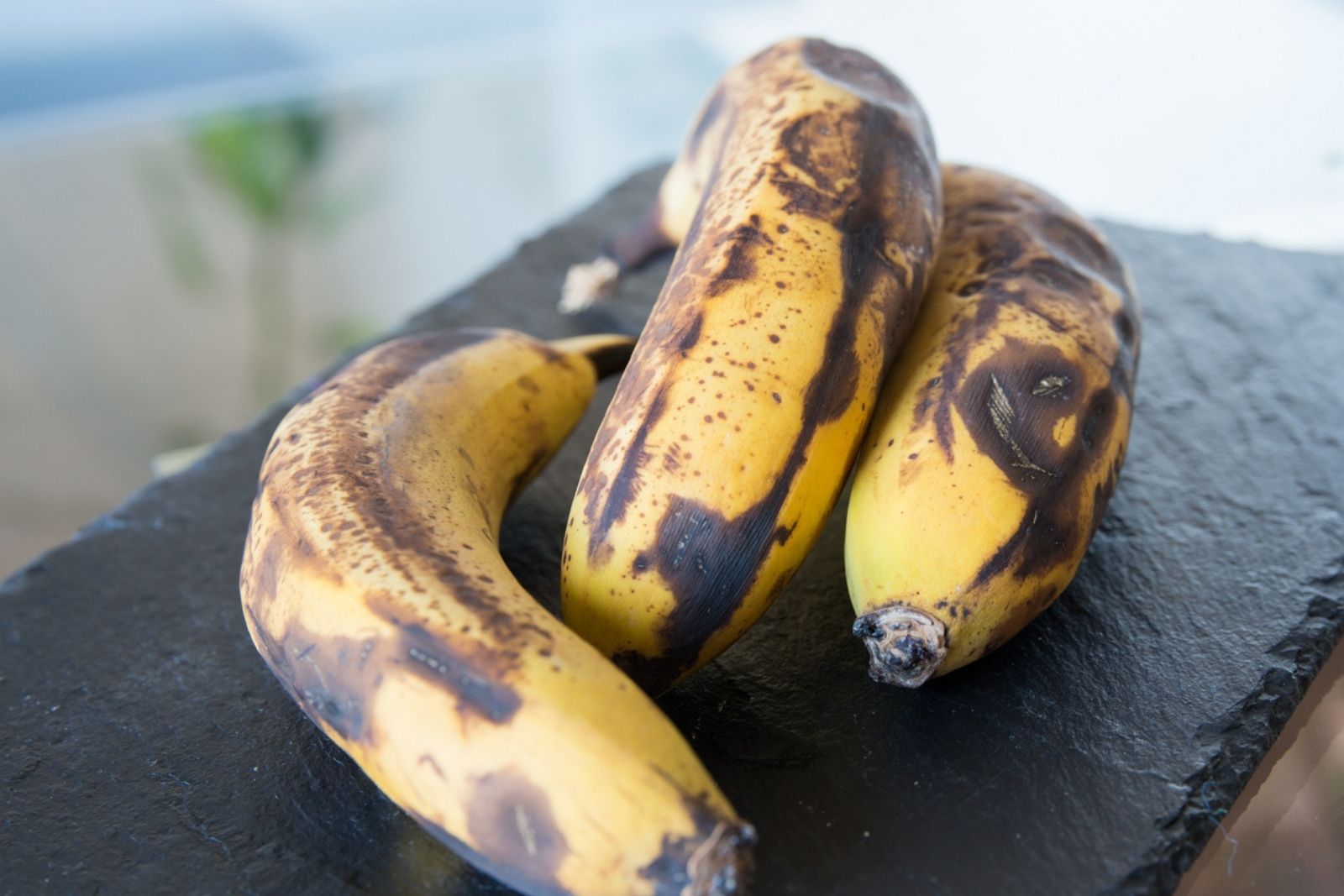
Bananas don’t stop ripening once they’re picked. They make their own ethylene, a natural plant hormone, and they react to it too. As the days go by, the starch turns into sugar, the peel turns yellow and the fruit gets softer.
Now picture that shared fruit bowl on the counter. Apples and avocados give off even more of that gas, right next to your bunch. That’s why it pays to keep bananas away from them. A crowded bowl also adds bruising.
Warmth plays a part as well. Bananas ripen best somewhere between 59 and 68°F, and the closer you get to the warm end, the faster they breathe and the more ethylene they release. So the real question isn’t only where the bunch sits. It’s who its neighbors are, and how warm that spot is.
Giving the bunch a perch of its own
The answer starts at the store. If you plan to eat your bananas over the next few days, pick pale-yellow ones with a little green left at the tips.
At home, move the bunch away from apples, avocados and anything else that’s ripening. Hang it by the crown, where the bananas join, so nothing presses on the peel. No hook? Just rest it gently on the counter with some breathing room around it. A dedicated corner can even look intentional: browse these kitchen fruit display ideas, then pick a setup that keeps the bunch separate and in open air.
Then pick a cool, shady spot. Keep it out of direct sun, away from the stove, and not shut inside a closed cabinet. Hanging reduces pressure and scuffing, while a cooler spot slows the process.
One last habit to drop: the plastic bag. It traps moisture and ethylene, which can speed up ripening and encourage spoilage. Open air is what you want.
All of this buys you time. But sooner or later, those bananas reach exactly the shade of yellow you like.
The moment the fridge earns its turn
That’s when the refrigerator finally becomes your friend. Once the peel hits your favorite stage, ripe bananas get another 2 to 3 days in the refrigerator.
Don’t let the peel scare you when you open the door. It turns brown in the cold, but the fruit inside stays cream colored.
So the order is what matters. Counter first, on a perch of its own, and the fridge only once the bananas are ready to eat.
What The Hook Won’t Fix
A separate perch doesn’t stop ripening, it only slows it down. Bananas that are already yellow won’t firm up again, and freezing is for smoothies or baking, not for keeping a fresh banana’s texture.
Never put green bananas in the fridge. Below 56°F they can suffer chilling injury, with poor color, and they won’t ripen properly in the cold.