One evening in October the living room has a visitor: a large, fast spider crossing the carpet like it owns the place. The standard explanation arrives just as fast: “they’re coming in from the cold.” It feels obvious, everyone repeats it, and according to the people who study spiders for a living, it’s almost completely wrong. What those spiders are actually doing is stranger, and it says more about your house than about the weather.
The spider on your carpet almost certainly didn’t come in from anywhere. Arachnologists at Seattle’s Burke Museum estimate that fewer than 5 percent of the spiders seen indoors have ever been outdoors. It was born in your house, probably behind the furniture or in the basement, and it has lived there, discreetly, its whole life.
What the fall parade really is
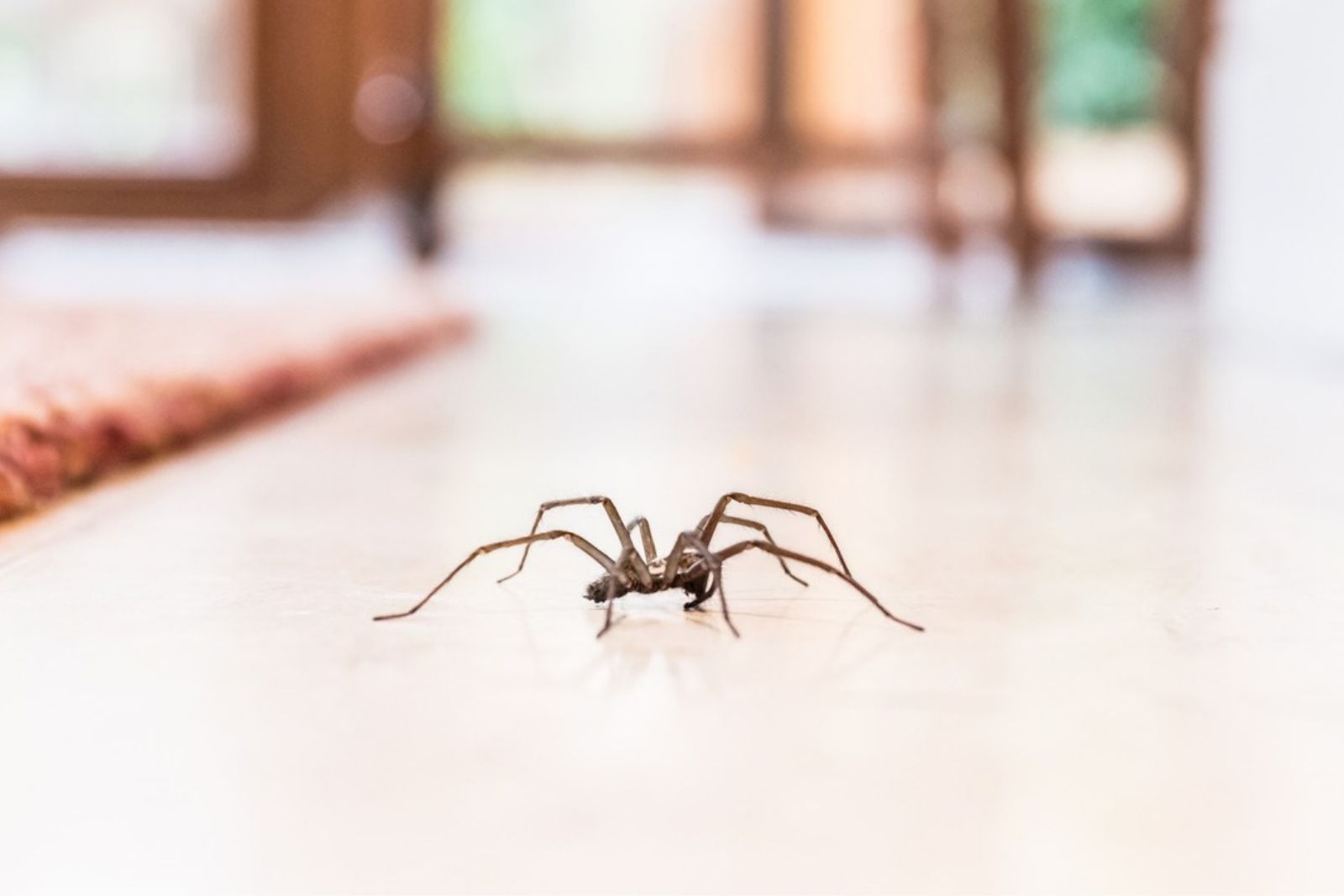
House spiders are their own specialized species, adapted over centuries to indoor life; some have lived with humans since the days of the Roman Empire. For most of the year they stay hidden. Then comes mating season, late summer into fall, and the males leave their corners to roam in search of females. That roaming is the entire phenomenon: the spiders were always there; October is simply when the bachelors go walking. Cold has nothing to do with it, because spiders are cold-blooded and not drawn to warmth: in cold they just slow down, and most carry enough natural antifreeze to shrug off a frost.
So the sudden spider on the wall isn’t an invasion. It’s a census you weren’t meant to see.
What their presence is telling you
Read as a signal, the message is twofold, and neither part is alarming. First: your home hosts a resident spider population, which means it also hosts what they eat. Spiders set up where prey insects are, so webs multiplying in a corner of the kitchen or around the basement window point to a quiet supply of gnats, flies or other small insects there, worth a look at its source (a drain, a fruit bowl, a damp spot). Second, when a genuinely outdoor-looking spider does show up, it marks an opening: the same under-door gaps and torn screens that admit fall’s other wanderers, which is why the sealing work that keeps stink bugs out thins the spider traffic too. Entomologists note a gap of just one-sixteenth of an inch under a door admits spiders and insects.
What to actually do, and what to skip
Skip the panic and the spray: nearly all house spiders are harmless, shy, and quietly working as free pest control, each one removing the insects you’d otherwise meet. The proportionate response is housekeeping, not chemistry: vacuum the webs and egg sacs in the corners you care about, declutter the cardboard piles spiders nest in, fix the door sweeps and screens, and dim the porch light that recruits their prey every evening. One more myth for the road: gallantly carrying a house spider “back outside” usually kills it, since indoor species aren’t built for the outdoor winter. The closet it came from was its home, longer than the house has been yours.
October’s spiders aren’t refugees from the cold. They’re longtime tenants, briefly visible, reporting on your home’s insect supply and its open doors. Tidy both, and they’ll go back to what they do best: staying out of sight.