A pale, fuzzy patch has appeared on top of your houseplant’s soil, right where clean potting mix used to be. The cinnamon jar suddenly looks like an easy fix. Before you shake it over the pot, it helps to know what that fuzz really is.
That white fuzz on the soil
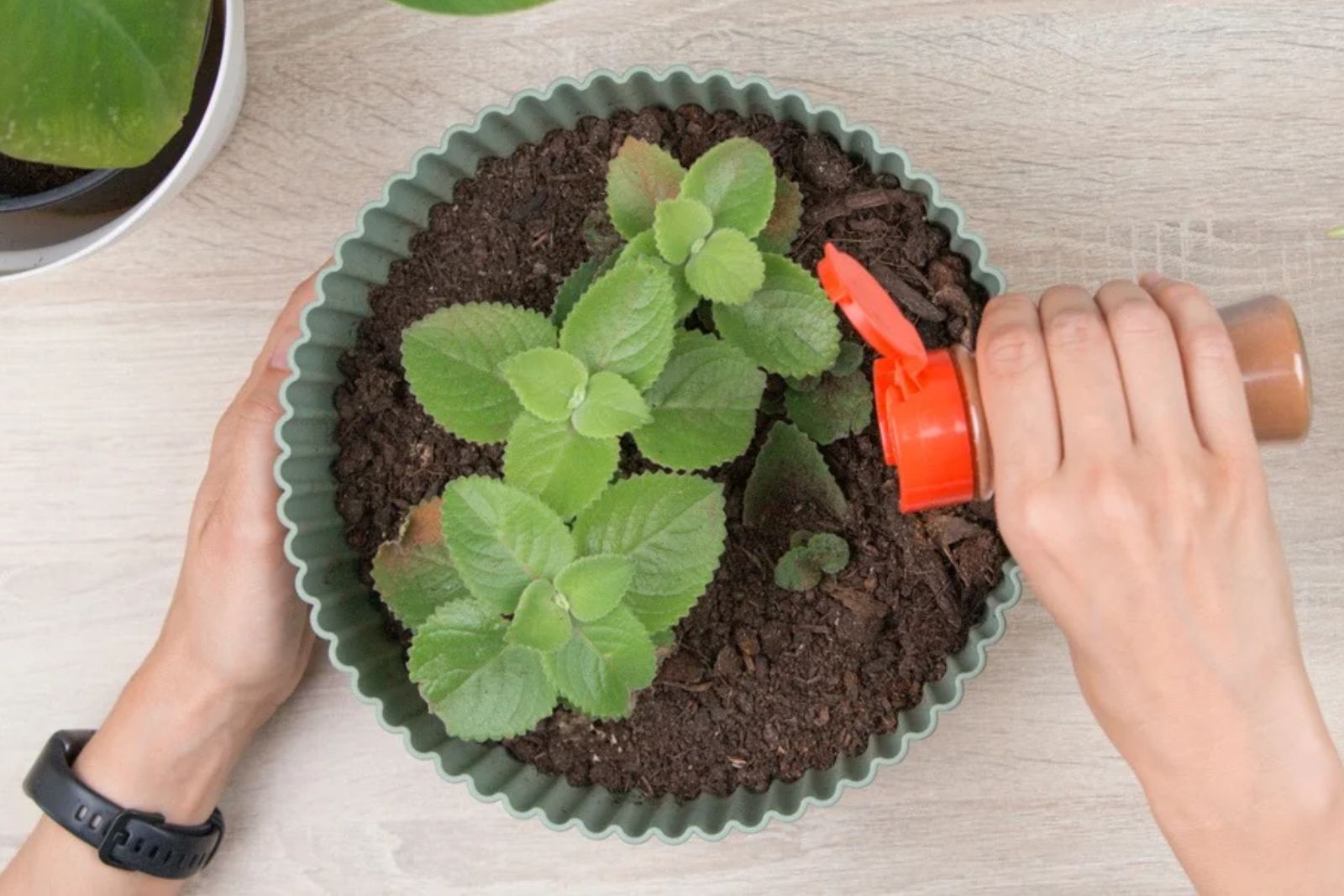
White or gray growth usually shows up when potting mix stays damp. On an established plant, this surface fungus is mostly cosmetic. Left alone, though, it can thicken into a crusty mat that keeps water from soaking in and invites fungus gnats.
So the first move isn’t cinnamon at all. It’s to let the surface dry, give the plant a bit more airflow and remove what you can see. Cinnamon comes after that, as an optional extra.
In a seed tray, the same fuzzy sight is more worrying. Damping-off attacks young stems right at the soil line, leaving them dark, thin and unable to stand. That’s why growers dust trays with cinnamon, hoping its antifungal compounds will protect seedlings through this fragile stage.
Why growers trust the spice jar
The habit isn’t pure folklore. In a lab test, water made with Ceylon cinnamon powder was tried against Botrytis, the fungus behind gray mold. The stronger mix reduced fungal growth in the test.
Water matters here because it pulls aromatic compounds out of the ground bark. In liquid, they reach the fine threads of the fungus more evenly and slow its spread.
The same test included sprays on tomato plants. That helps explain why gardeners reach for cinnamon the moment fuzz appears, even if a sprinkle from the jar looks quite different.
A light dusting, after the cleanup
Start by moving the pot to the sink or a work surface. With a clean fork, lift away the fuzzy mat and the loose soil just beneath it. Pull off dead leaves, clear the drainage hole and empty any water sitting in the saucer.
Then wait until the top of the soil feels dry. If you still want to try cinnamon, use plain ground spice and give the exposed surface one barely visible dusting, just once. There’s no research-based teaspoon dose, so skip the thick brown layer and don’t mix handfuls through the roots.
At the next watering, soak the mix thoroughly and let the extra drain away. Then wait again until the surface dries. If fungus gnats are hovering nearby, plants that tolerate drier conditions can have the top 2 inches of mix dry out between waterings.
Just don’t let the whole root ball turn hard and dusty, because bone-dry potting mix can repel water; you want a drier surface, not a parched plant.
What the cinnamon jar won’t fix
That lab test used measured liquid mixes against one fungus, not dry cinnamon on houseplant soil. Stick to ground spice, never essential oil or a concentrated homemade spray.
Cinnamon won’t end a fungus-gnat infestation, repair black, mushy roots or fix a pot without drainage.