The phone charger keeps slipping out of the bedroom outlet. In the kitchen, the toaster plug sags out of the wall, and once, unplugging it, you noticed the cover plate felt warm. So you grab a screwdriver, snug up the little screw in the middle of the cover, and push the plug back in a little harder. Problem solved, or so it seems.
This is not your fault, and it’s what most people do. But that screw holds the plate, not the parts that grip the plug, and a warm outlet is one of the clearest early warnings your wiring can give. The real check takes seconds, and it tells you whether this is a quick fix or a call to an electrician.
Why the screws aren’t the problem
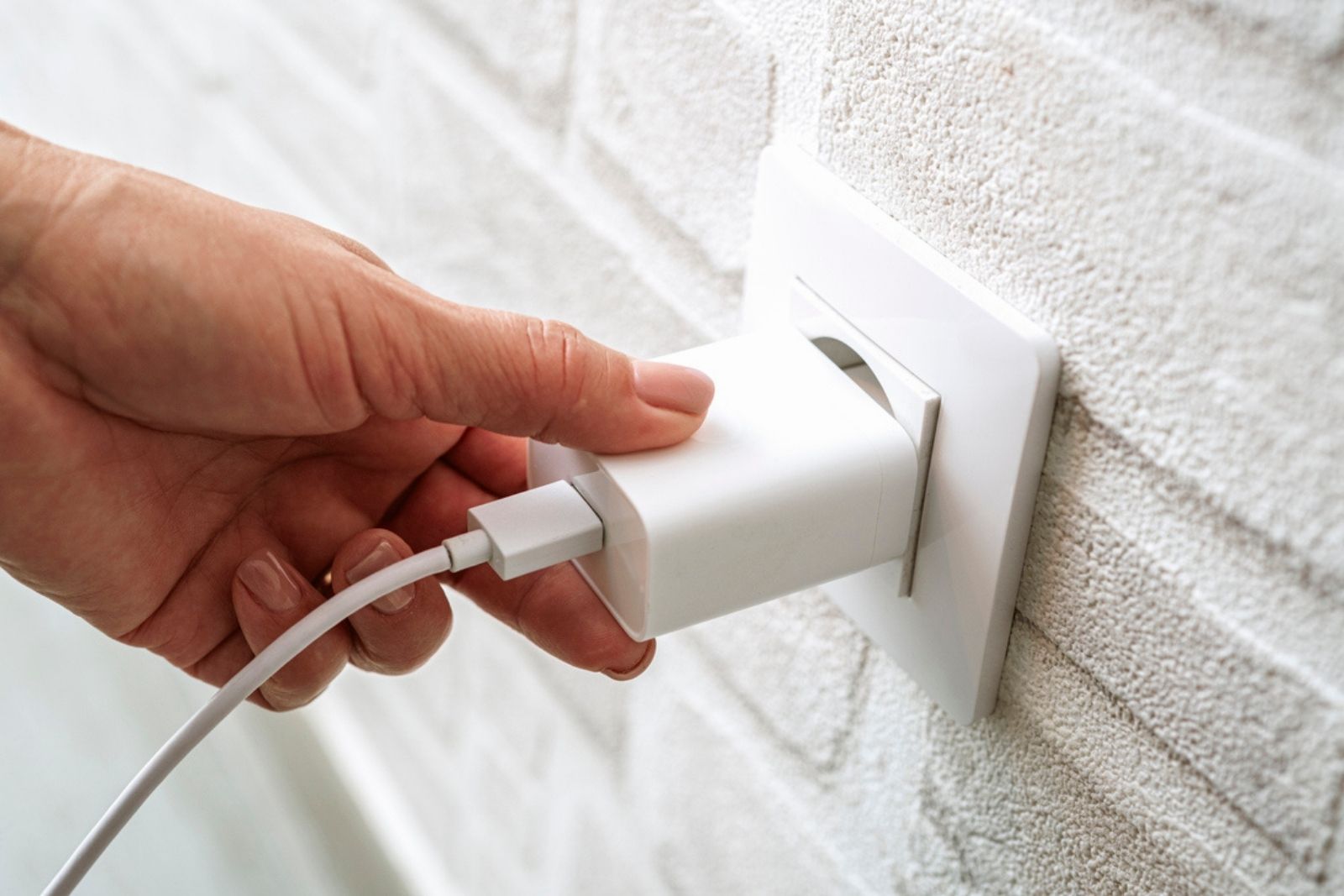
Inside every outlet, metal contacts squeeze the plug’s blades to hold them in place. Over time they can lose that tension, often from cords being yanked out. As outlet maker Leviton puts it, “If plugs fall out easily, the internal contacts may be damaged.” Worn contacts can arc, and arcing means heat. HomeServe’s guidance is direct: a worn-out receptacle has to be replaced with a new one.
There’s a second, different kind of loose outlet: the whole receptacle wobbles in the wall because its box sits too far behind the wall surface. That one is fixed with outlet shims behind the mounting screws, not by cranking the cover plate tighter. And heat has its own causes: too many devices on one circuit, loose wiring connections that create resistance, or push-in “backstab” connections that loosen over time.
The quick checks
- Feel it with nothing plugged in. Leviton notes that standard outlets should stay cool during use, unlike dimmers. Unplug everything, let it sit, and check again.
- Look closely. Browning, black marks or melted plastic signal overheating or arcing.
- Smell and listen. A burning smell, buzzing, crackling, or sparks when you plug something in are serious warning signs.
- Test the grip. A plug that slides out under its own weight points to worn contacts.
- Count what’s plugged in. If the warm outlet feeds a space heater or several kitchen appliances at once, the load may be the problem.
If you spot a burning smell, turn off that circuit at the breaker right away and don’t use the outlet until it has been inspected and replaced. High-draw appliances are a common culprit, which is why an electrician’s list of appliances that should never go into a power strip is worth a look.
When to call an electrician
Replacing a receptacle is a common DIY job, but only with the breaker off and a voltage tester confirming there’s no power. Call a licensed electrician if the outlet is hot to the touch, if you smell burning or see melted plastic, if the problem persists after you reduce the load, or if you suspect wiring trouble inside the wall. Outlets in kitchens, bathrooms, basements, garages and outdoors must be GFCI-protected under the National Electrical Code, and many living spaces require arc-fault protection, so a replacement is also the right moment to bring older outlets up to date.
Feel it, look at it, test the grip, and replace what’s worn instead of tightening what isn’t. That’s the trick.