You settle onto the couch after dinner, and your dog starts licking your hand before you’ve even picked up the remote. You may call it a kiss and scratch behind those ears, but veterinarians look more closely at moments like this. What was happening just before your dog reached for your fingers?
In short
- Dogs lick people to show affection and strengthen social bonds.
- A lick can also be a peaceful signal when your dog feels tense.
- Excessive self-licking has causes that include allergies and skin irritation.
- Your dog’s body language gives the lick its meaning.
Licking is often a show of love
View in gallery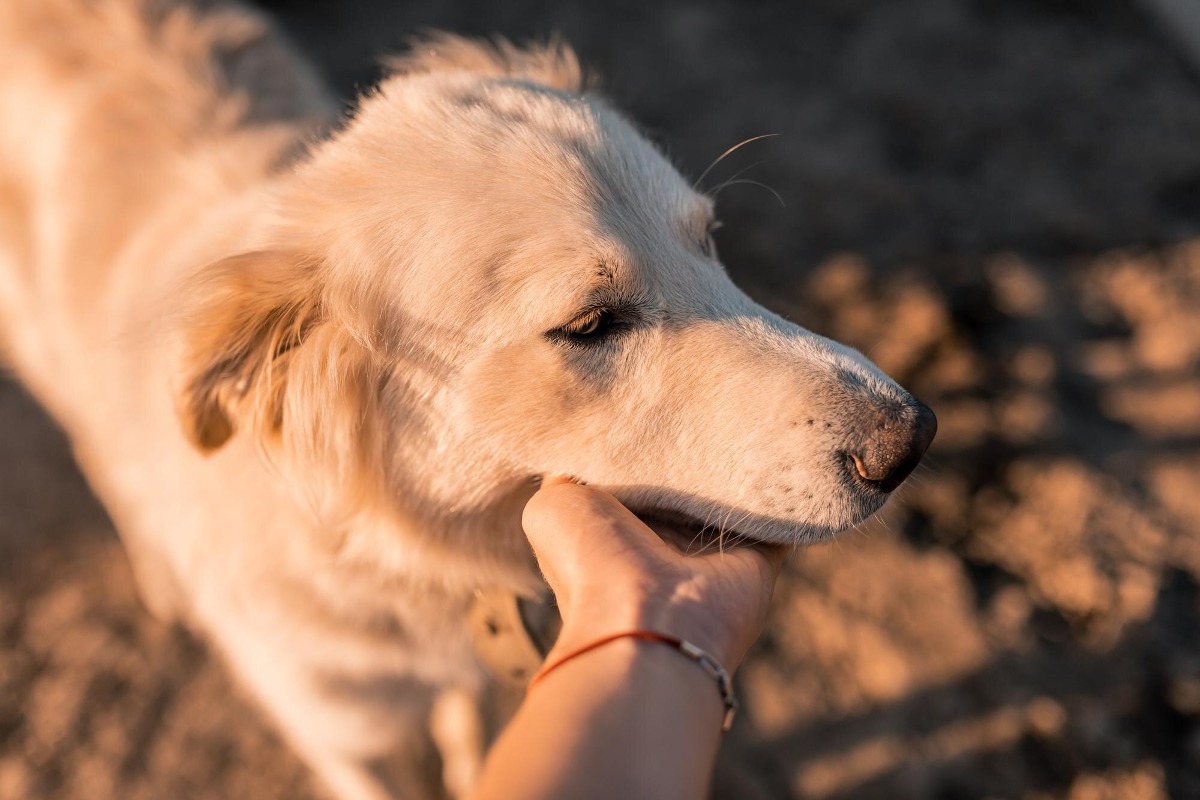
You settle into your chair, and your dog comes over to lick your hand. It feels like a greeting, and affection is often part of it. Dogs use licking in social bonding and grooming, so a lick can be one way your dog connects with you.
Dogs also lick to get attention or show curiosity. Your dog’s loose body and relaxed eyes add to the picture when that lick lands on your hand. Taken together, the greeting looks friendly and at ease.
It is easy to respond to the lick and forget to look at the rest of your dog. The rest matters. The American Kennel Club notes that owners often read licking as affection, while a dog’s behavior around the lick tells you more about what is going on.
A lick can ease a tense moment
Now picture your dog licking your hand as someone unfamiliar leans over them. The lick may look just as sweet, yet the moment feels different. Dogs also lick as an appeasement signal, a way of communicating peaceful intentions.
Watch what happens around the lick. A tense body, pinned ears, or a tucked tail point toward anxiety rather than a relaxed greeting. You may also notice your dog yawn, turn their head away, or lick their own mouth or nose. Dog trainer Turid Rugaas calls behaviors such as these calming signals.
That is the easy-to-miss message behind some licks: your dog is trying to keep things calm. Pay attention to who is nearby and how your dog carries their body. Those details help you hear something different from “hello.”
Repeated self-licking tells another story
There is a difference between a lick on your hand and a dog repeatedly licking the same spot on their own body. If your dog keeps returning to a paw or another area, take a closer look at the skin. Redness, hair loss, and hot spots are signs worth noticing.
Veterinarian Dr. Jo Myers says allergies are the most common cause of excessive licking and scratching in dogs. Skin infections and pain are among the other causes of excessive licking. A dog can also lick excessively because of anxiety or boredom.
Notice the pattern as well as the spot. Repeated licking that leaves the skin thickened is a separate concern from a brief greeting at your chair. What your dog does between licks helps you describe the change clearly to your veterinarian.
The limit
A single lick cannot tell you exactly what your dog feels, and research on licking another dog’s face does not establish a special meaning for licking a person’s hands. Look at the setting and your dog’s whole body rather than treating every lick as affection or stress. If licking becomes excessive, changes noticeably, or comes with irritated skin or other unusual behavior, talk with your veterinarian. They can help sort out emotional and medical causes.