When you set the cat carrier on the kitchen floor, you can practically hear the objections before your cat gets inside. At the vet’s office, those orange, black, and white patches can draw a closer look, even before anyone reaches for the thermometer.
In short
- Veterinarian Carlos Gutiérrez finds tricolor cats more standoffish and less tolerant of handling.
- Calicos and tortoiseshells get their black and orange coloring from genes on the X chromosome.
- A UC Davis survey recorded more owner-reported swatting, biting and scratching in these cats.
- Gutiérrez also knows a calm, affectionate tricolor cat named Greta.
A calico can keep the vet alert
View in gallery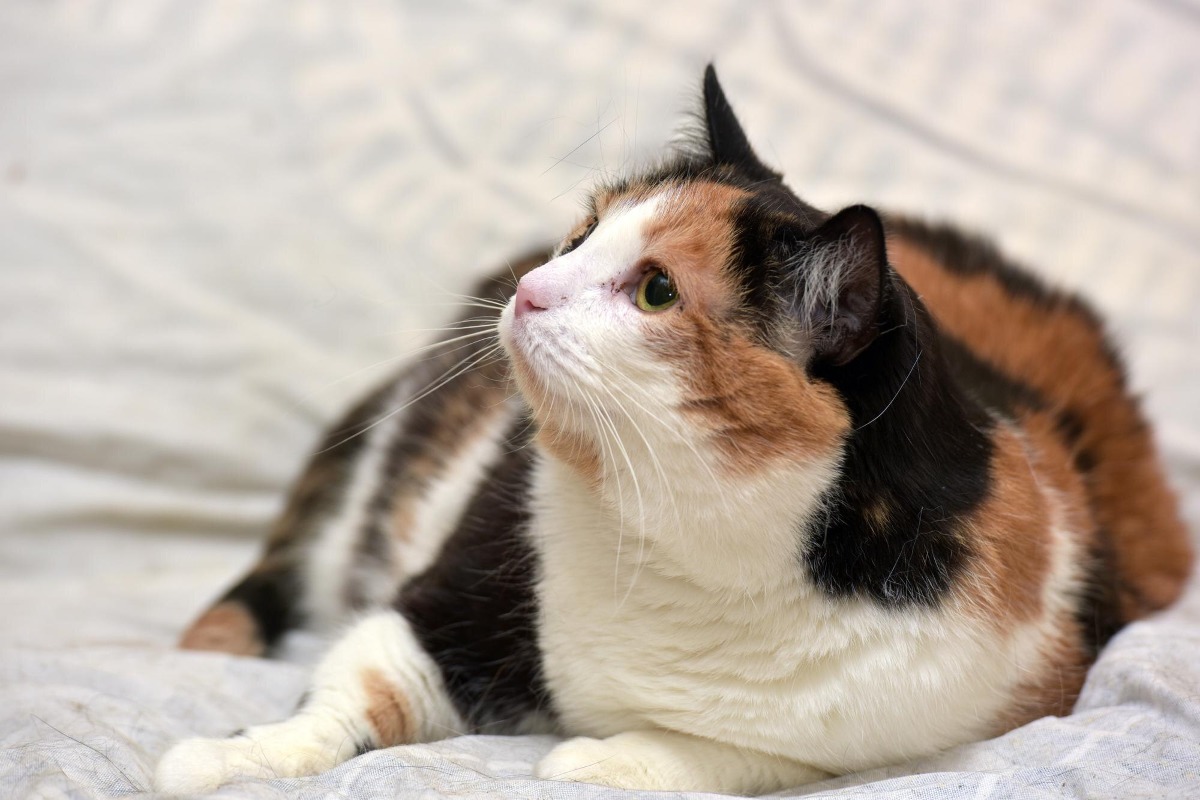
You know the look your cat gives you when the carrier comes out. Now picture a calico arriving at the clinic in that carrier, ready to be examined. Spanish veterinarian Carlos Gutiérrez says seeing a tricolor cat come in makes him “a bit more alert, a bit more on guard.”
He is talking about calicos and tortoiseshells together. In his experience, these cats tend to be more independent and standoffish, and less tolerant of being handled. That can make an ordinary checkup a moment when the person reaching toward the cat pays closer attention.
The two coats are easy to tell apart once you know what you are looking at. A calico has more distinct black and orange patches against white. On a tortoiseshell, black and orange look more blended. Both are part of the tricolor group Gutiérrez has in mind.
The colors start with the X chromosome
That patchwork coat has an explanation beneath the fur. The genes involved in black and orange coloring sit on the X chromosome. Female cats have 2 X chromosomes, so they can carry both color versions at once. That is why almost all calicos and tortoiseshells are female.
As a female kitten develops, cells switch off 1 of those 2 X chromosomes. In some areas of her coat, the orange version shows. In others, the black version does. The white comes from a separate gene, completing the familiar calico pattern.
Scientists kept looking for the genetic source of orange fur for more than a century. In 2025, a study identified a change near a gene called ARHGAP36 that is associated with the orange coloring seen in calicos and tortoiseshells. It adds another piece to the story behind the coat you see when your cat walks into the room.
Owners have noticed the behavior too
Gutiérrez’s experience at the clinic has a counterpart in what cat owners say at home. In a 2016 UC Davis study, researchers asked owners about their cats’ behavior. The survey included 1,274 cats after exclusions, giving the team more than a few memorable stories to examine.
Owners reported more hissing, chasing, biting, swatting and scratching among calico and tortoiseshell cats than among cats with other coat colors. Those are the kinds of reactions that can make you pause before picking up a cat who wants her space. The findings help explain why Gutiérrez recognizes a familiar pattern when a tricolor cat arrives for a visit.
The limit
The UC Davis findings came from owners’ answers, not from researchers watching the cats directly, and the study grouped calicos with tortoiseshells. Coat color cannot tell you how the cat in front of you will act. Gutiérrez points to Greta, a calm and affectionate tricolor cat, as a reminder that even a familiar pattern has exceptions.