Your Labrador finishes dinner, then follows you into the kitchen and watches every move you make near the treat jar. That pleading look can make you wonder whether dinner was enough, even when you measured the kibble carefully. The empty bowl and those watchful eyes seem to tell two different stories.
In short
- About 1 in 4 Labradors carries a POMC gene mutation that makes them hungry again sooner between meals.
- Affected dogs burn about 25% fewer calories at rest.
- The same mutation occurs in about 66% of flat-coated retrievers.
- Careful feeding and exercise help owners keep affected dogs slim.
The begging has a reason
View in gallery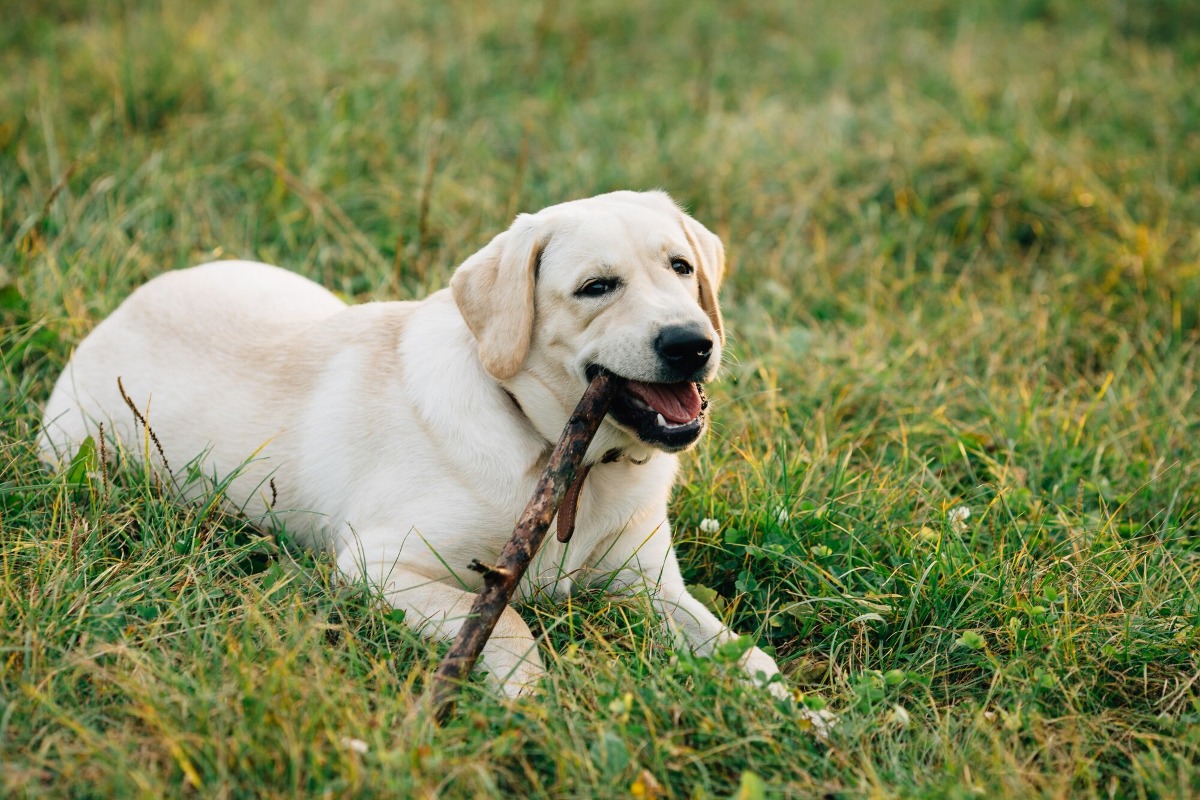
You finish feeding your Labrador, and soon there it is beside you in the kitchen, watching for another bite. That look can be hard to ignore, especially when you know it has just eaten. For some Labs, the pull toward food is tied to a gene.
A University of Cambridge team led by veterinarian Dr Eleanor Raffan studied a POMC mutation in retrievers. Around 25% of Labradors carry it. Raffan put the appetite finding simply: “We found that a mutation in the POMC gene seems to make dogs hungrier.”
The timing matters. Dogs with the mutation do not need more food to feel full at a meal. They get hungry again more quickly afterward. That helps explain why a dog can finish its food and still seem so interested in what you are doing at the counter.
Their bodies use less energy at rest
The Cambridge team found a 2nd part to the story. Affected dogs burn about 25% fewer calories while resting than dogs without the mutation. So the same dog that gets hungry sooner also uses less energy when it is still.
To measure that difference, researchers had dogs sleep in a special chamber that recorded the gases they breathed out. Those readings showed how much energy the dogs used at rest. It gave the team a way to look beyond what owners saw at mealtime and measure what was happening while the dogs slept.
Raffan’s team had already linked a POMC gene deletion to Labrador weight and appetite in earlier research. The later study brought the faster return of hunger and lower resting energy use together. That combination helps explain why keeping an affected dog slim takes such close attention to food.
Make each meal last longer
When your Labrador is waiting near its bowl again, the answer is not simply a bigger serving. The Cambridge researchers say affected dogs need fewer calories to maintain a healthy weight, even as they feel hungrier. Feeding and exercise both need your attention.
Raffan recommends spreading out the time a dog spends eating. A puzzle feeder can make a meal take longer. You can also scatter the dog’s food around the yard, turning its usual serving into something it takes time to find.
That approach works with the food you are already giving your dog, rather than adding more because it begs. Exercise remains part of keeping an affected retriever slim. The goal is a routine you can keep up, even when those hopeful eyes follow you back into the kitchen.
The limit
About 75% of Labradors do not carry this mutation, so it cannot explain every hungry dog or every case of weight gain. The finding comes from Raffan’s Cambridge-led research, not a stated consensus of veterinarians as a whole. A dog’s weight cannot be understood from this gene alone.