Your neighbor’s maple stands on the other side of the fence, but its leaves are ankle-deep on your grass. The tree has an owner, so it feels like the mess should have one too. Before you send a cleanup bill next door, know that property law draws a much simpler line.
Whoever owns the grass holds the rake
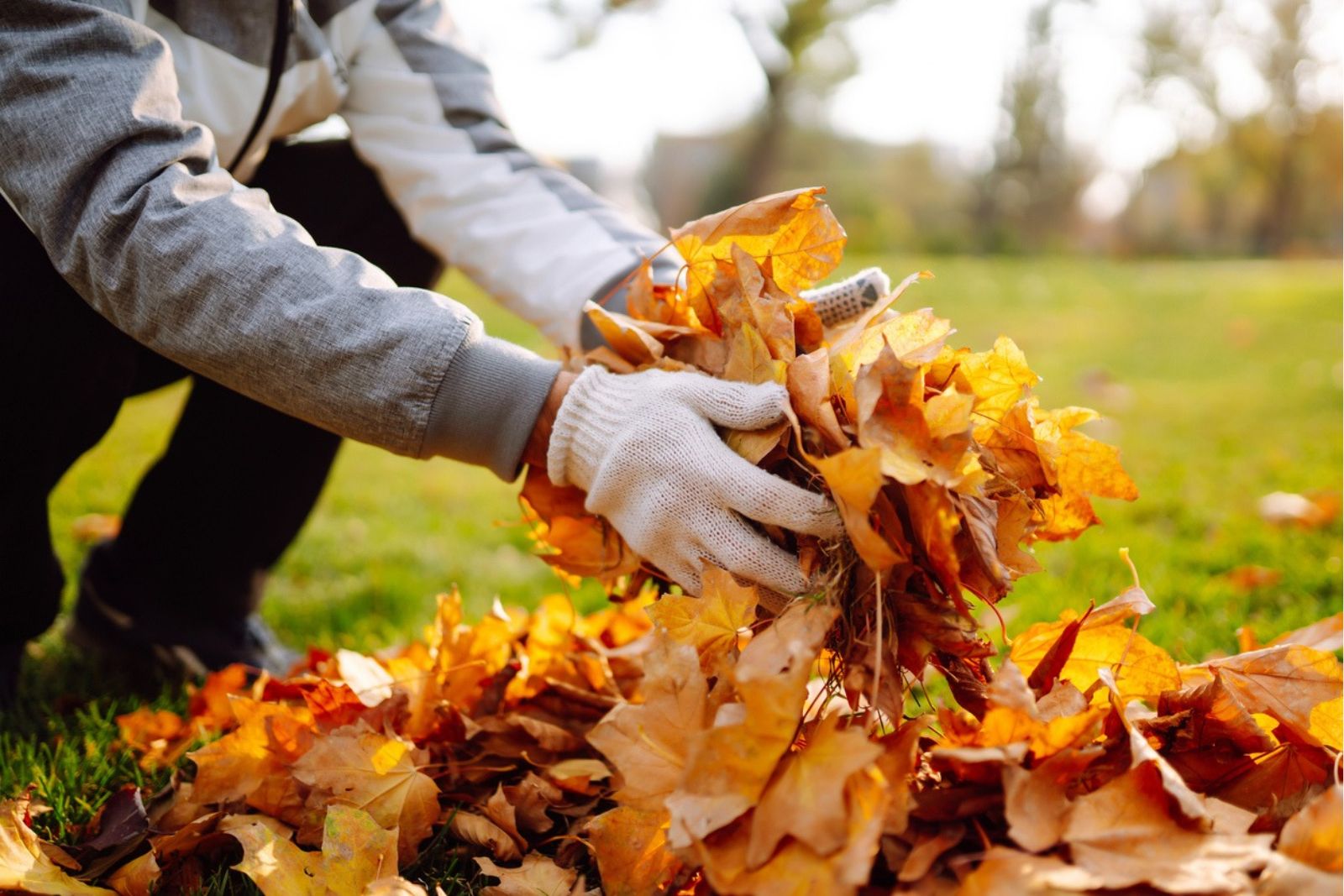
Look down at that carpet of orange and yellow. In most of the US, the practical answer is you. Leaves that fall naturally are cleaned up by whoever is responsible for the ground where they land. As a rule, ordinary leaves drifting across a property line don’t make the tree owner liable.
That holds even when the trunk stands entirely on your neighbor’s side. Owning a tree and dealing with its routine debris are two separate questions. So you generally can’t send the bill back over the fence or demand that a healthy tree come down.
It can feel lopsided. Your neighbor may still offer to help, especially after a big drop, and that’s a kind gesture. But courtesy isn’t a legal duty. The reason comes down to how those leaves got to your side.
The wind did the moving
Nobody carried those leaves over the fence. Wind and gravity did the work. Since no one aimed the mess at your yard, ordinary shedding usually doesn’t count as a nuisance in the legal sense.
Once the leaves settle, the person who maintains that ground decides how they’re cleaned up and where they go. That’s where things can shift. If leaves get pushed into a gutter or a public drain, town rules may come into play. The question is then no longer just whose tree they came from.
Let the mower take a turn
Not every leaf has to end up in a bag, so start with the spots that matter most. Rake the walkways, the driveway and the area around storm drains, then pull that pile onto the lawn.
On a dry day, spread the leaves in a thin layer, no deeper than about half an inch. Mow slowly at your usual cutting height. It works best to run over the leaves while they’re dry, before they pack into a thick pile. The small pieces slip down between the grass blades and break down faster.
If bits still cover the turf, make a second pass at a right angle. And if the layer stays matted, or you can barely see the grass underneath, rake the extra into a compost pile or set it out for yard-waste pickup.
Before you haul anything to the street, check the rules for the curb strip in your town. Pickup days and where piles are allowed vary from place to place, so even the neatest pile can end up in the wrong spot.
Where your rake stops and a lawyer starts
Don’t blow leaves over the fence or into a storm drain. Dumping may support a nuisance claim in some states, and clogged drains add to polluted runoff. Don’t cut past the property line, and leave high, heavy or disputed limbs to a qualified arborist.
Dead wood, a visibly failing tree or root damage to a structure can change the picture. Document it, check city and HOA rules, and talk to a real estate lawyer.