

You open the washer for the next load and catch a stale, damp smell. Reaching for more detergent feels like the obvious answer. But the real fix may already be sitting right there on the control panel: a cleaning cycle designed for the washing machine itself.
The button you’ve been skipping
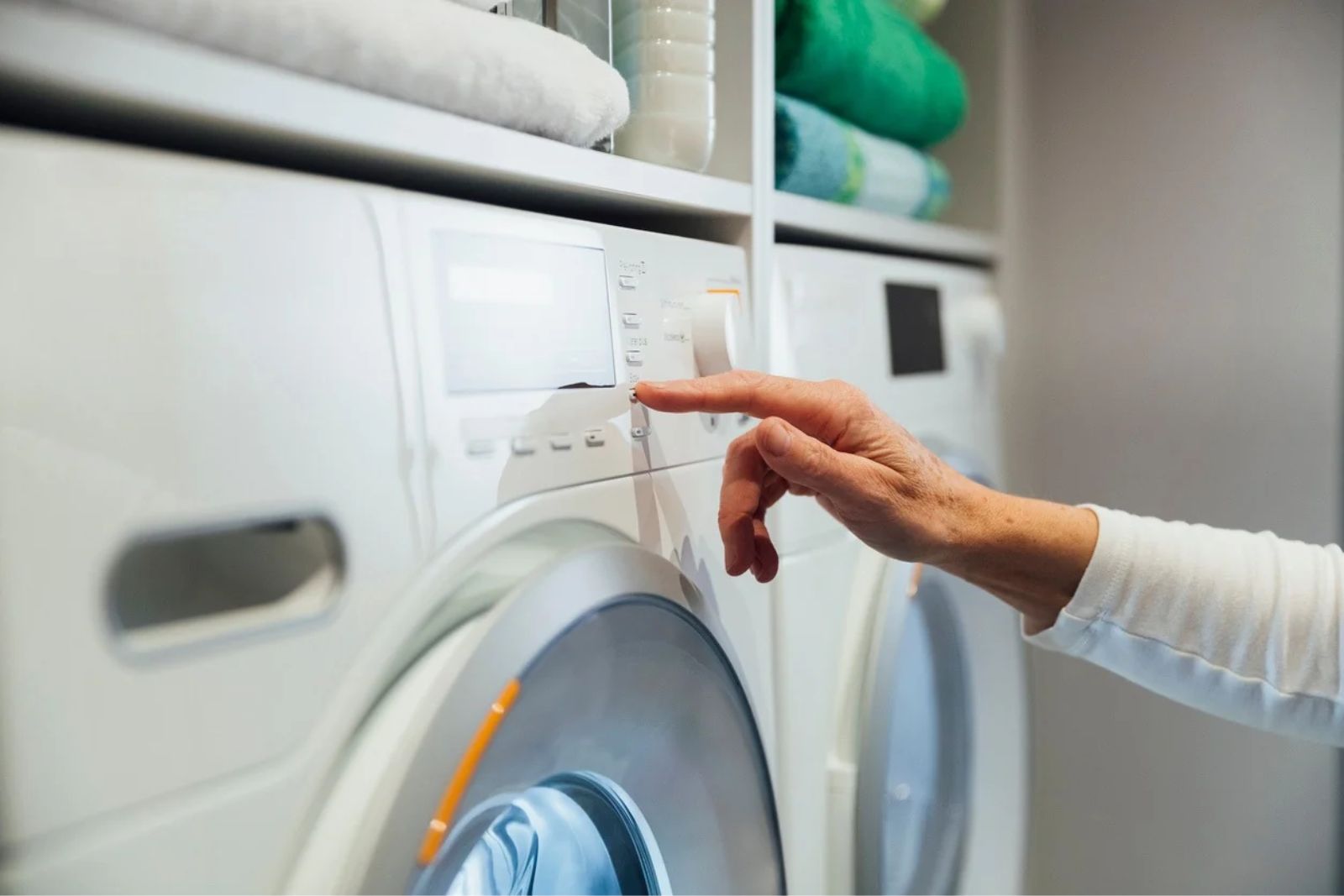
Take a closer look at your washer’s dial or control panel. Among the familiar settings, you may find one labeled Tub Clean, Self Clean, Pure Cycle or Clean Washer.
Unlike a normal wash program, this cycle isn’t meant for towels, jeans or bedsheets. It’s designed to clean the inside of the machine.
LG recommends running its Tub Clean cycle approximately once a month to help remove detergent buildup and other residue. Samsung recommends using Self Clean or Pure Cycle at least monthly, although some models display maintenance reminders based on the number of washes completed.
The exact frequency depends on the manufacturer’s instructions, how often you use the washer and the conditions inside the machine. Running it regularly in line with your machine usage helps prevent residue and unpleasant odors from accumulating, keeping your machine and your washing smelling fresh.
What a regular wash leaves behind
A washing machine spends much of its working life exposed to moisture, detergent, fabric softener, lint and dirt from clothing. Over time, residue can accumulate around the drum, inside the detergent dispenser and in the folds of a front-loader’s rubber door gasket. LG identifies detergent buildup, poor drainage and residue around the gasket as potential causes of persistent odors.
Normal wash cycles are designed primarily to clean laundry. They don’t necessarily remove the deposits that collect in less accessible parts of the machine.
A dedicated cleaning program uses a manufacturer-designed combination of water, temperature, drum movement and cycle duration to help clean the washer’s interior. For this reason you should always make sure the machine is empty before running the cycle. It won’t ruin you clothes if you don’t but it might make the clean less effective.
Also, avoid adding extra laundry detergent because adding extra cleaning products can actually result additional residue behind, nullifying the point of the wash.
It’s easy to just take off the cap and pour detergent into the machine, but it is advisable to always measure detergent in-line with the recommended amounts and only occasionally use warm or hot wash cycles. This helps reduce the accumulation of soil and detergent.
The goal of a wash is to get rid of gunk and dirt, not to cover it up with a nice fragrance.
Running it the right way
Pick a time when the washer can be out of action for a while, like a quiet evening or while you’re out, because some cycles run for hours so you may as well do it at a time that’s convenient to you, rather than find yourself sitting around waiting for it to finish. According to Samsung’s cleaning guide, Self Clean takes approximately one hour on certain top-loading models and four hours on certain front-loading models.
Your own washer’s display and manual are the most reliable guides to its actual running time.
Start by removing everything from the drum. No clothes, towels or forgotten socks should remain inside. Then check your washer’s manual for the recommended cleaning product.
Depending on the brand and model, the instructions may call for a dedicated washing machine cleaner, a specific cleaning agent or no added product at all. For example, LG recommends a suitable tub cleaner for many of its machines, while Samsung states that its Self Clean cycle generally does not require an added cleaner, although it provides separate instructions for certain odor problems.
Don’t substitute ordinary laundry detergent, vinegar or bleach unless your model’s instructions specifically permit that product and explain how to use it.
Select the dedicated cleaning cycle and press Start. Allow the machine to complete the program without interruption.
The cycle normally controls its own operating conditions. If your washer doesn’t have a dedicated cleaning program, follow the manufacturer’s alternative cleaning instructions rather than guessing at a temperature or cycle.
Once the cycle finishes, wipe away moisture from accessible surfaces, particularly the door and rubber gasket. Leave the door or lid open when safe to do so, along with the detergent drawer, to help remaining moisture evaporate. Keep children and pets away from an open washer. If suds or loosened residue remain, Samsung recommends running another Self Clean cycle afterward.
LG advises that if a musty smell is already present, running Tub Clean weekly for three consecutive weeks may help. If the odor persists, the manufacturer recommends requesting service.
Between cleaning cycles, measure detergent according to the product and washer instructions. Preventing unnecessary buildup makes routine maintenance more effective.
When the smell points past the button
Never mix chlorine bleach with vinegar, ammonia or other household cleaners. Combining incompatible products can release dangerous gases.
The cycle won’t touch every part of the machine. A cleaning cycle cannot fix a blocked drain, leaking hose or failing pump. This means cleaning areas like the rubber gasket, detergent drawer and drain-pump filter manually. This is particularly important on front-loaders, As explained in our guide to laundry that still smells after washing, residue and trapped moisture can remain in areas that require manual cleaning.
If water remains in the drum after washing, the machine fails to drain properly or the smell persists despite cleaning the drum, gasket, dispenser and filter, professional service may be necessary. Before opening a drain-pump filter, turn off and unplug the washer, follow the manufacturer’s procedure and allow any hot water to cool. Be prepared to collect residual water safely.
For most owners, the useful habit is simple. Check the manual, run the recommended empty cleaning cycle regularly, clean the accessible components and let the washer dry between loads.
It’s not a cure-all, but the function is built for a reason, so it makes sense to use it. Today is better late than never, and a quick cleaning cycle can do a surprising amount of work.