
You step into your kitchen on a freezing morning and feel the cold floor under your feet. Behind the walls, your plumbing faces a problem that can leave cabinets soaked and repairs running into thousands of dollars. The most worrying stretch of winter may pass while you’re asleep, with the temperature dropping hour after hour.
In short
- Let cold water drip from faucets served by exposed pipes during very cold weather.
- Flowing water helps keep pipes from freezing, and an open faucet relieves pressure if ice forms.
- State Farm’s average burst-pipe claim payment exceeded $30,000.
- About 250,000 U.S. homes sustain damage from frozen and burst pipes each year.
Why the drip works
View in gallery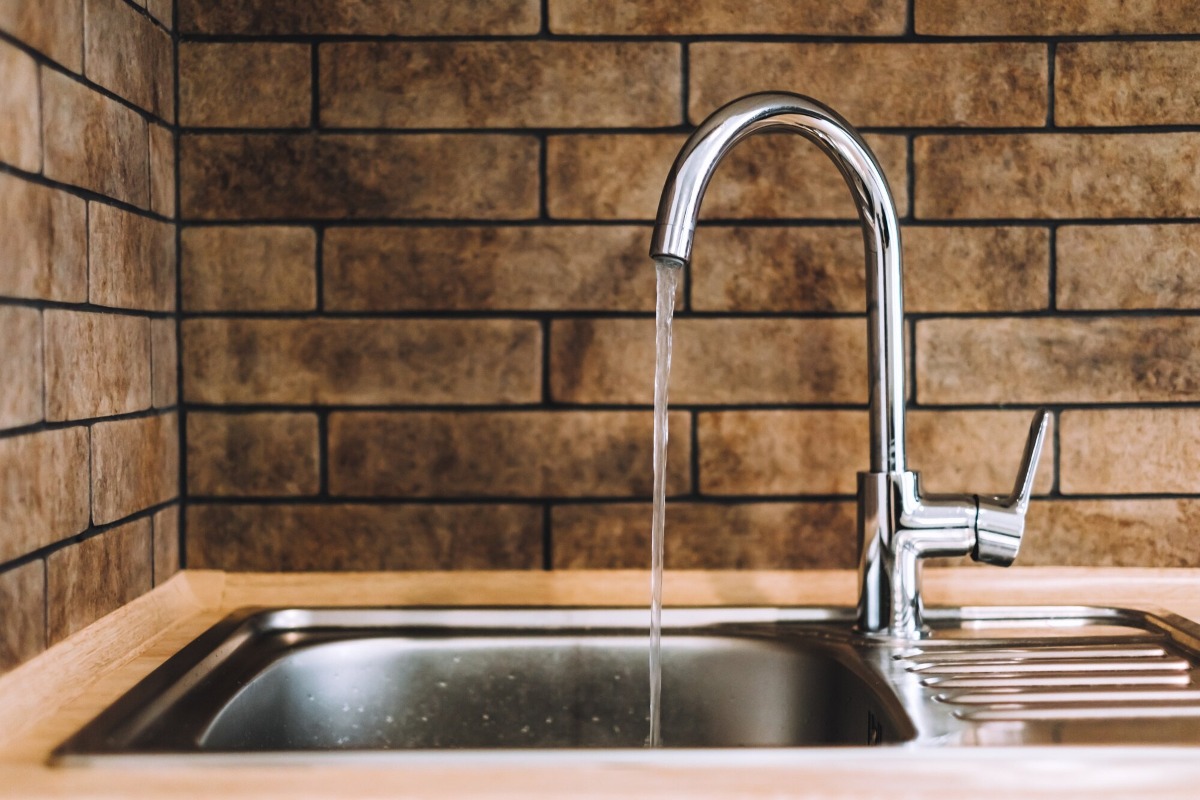
Before you head to bed on a bitter night, think about the water sitting still in the pipes behind your walls and under the sink. A small trickle from the right faucet keeps it moving.
The American Red Cross advises letting cold water drip from faucets served by exposed pipes during very cold weather. Moving water is harder to freeze than water standing still. You don’t need much. As the Red Cross puts it, “even a trickle helps.
The open faucet serves another purpose. If ice begins to form inside a pipe, pressure can build behind the blockage. Letting the faucet drip gives that pressure a way out, reducing the chance of a burst. A faint drip all night is a small price compared with a flooded kitchen.
Keep warmth near the pipes
The sink cabinet is an easy place to overlook. Close its doors, and the pipes inside are shut away from the warmer air in the room. Energy Trust of Oregon recommends opening cabinet doors under sinks on exterior walls so that air can reach the plumbing.
That same guidance says to keep garage doors closed and, during extreme cold, let the faucet furthest from the water source drip. Inside the house, keeping interior doors open helps warmth circulate from room to room. Small changes, but they give the drip a fighting chance.
Think about the outdoor faucet, too. The American Red Cross advises disconnecting and draining hoses and covering outdoor faucets before freezing weather arrives. Do it while you’re already out there. It’s easy to forget once the cold sets in.
Cold nights call for an early move
You don’t have to wait until you see ice at the faucet to think about the pipes. Exposed, uninsulated residential pipes typically start to freeze when the outside temperature falls to around 20°F. That makes the forecast a useful reminder to check the sinks and outdoor faucets before bedtime.
About 250,000 U.S. homes experience damage from frozen and burst pipes each year. State Farm’s average burst-pipe insurance claim payment exceeded $30,000, including water damage tied to freezing. That’s a lot of money to lose to one cold night, and a lot of money a dripping tap could save.
The limit
Dripping lowers the risk; it doesn’t guarantee that every pipe will stay clear. Pipes in unheated or uninsulated spaces can still freeze in extreme cold, and a faucet can’t help if a frozen main line has stopped water from flowing through it. Claim amounts also vary: a separate industry analysis puts average frozen-pipe water-damage claims at $10,000 to $15,000, rather than State Farm’s higher average. Pair the drip with the other protections your home needs, especially where pipes are exposed.