
You tuck last night’s spaghetti into a plastic container and slide it behind the milk. The orange stain it leaves behind is easy to spot, while a less visible concern has more home cooks reconsidering what holds their leftovers before tomorrow’s lunch.
In short
- Glass containers are a safer choice for storing and reheating leftovers.
- Glass does not release microplastics or leach chemicals into food.
- Glass resists stains and odors from foods such as tomato sauce.
- Glass containers can hold food in the freezer and reheat it in the oven or microwave.
Heat changes what plastic can release
View in gallery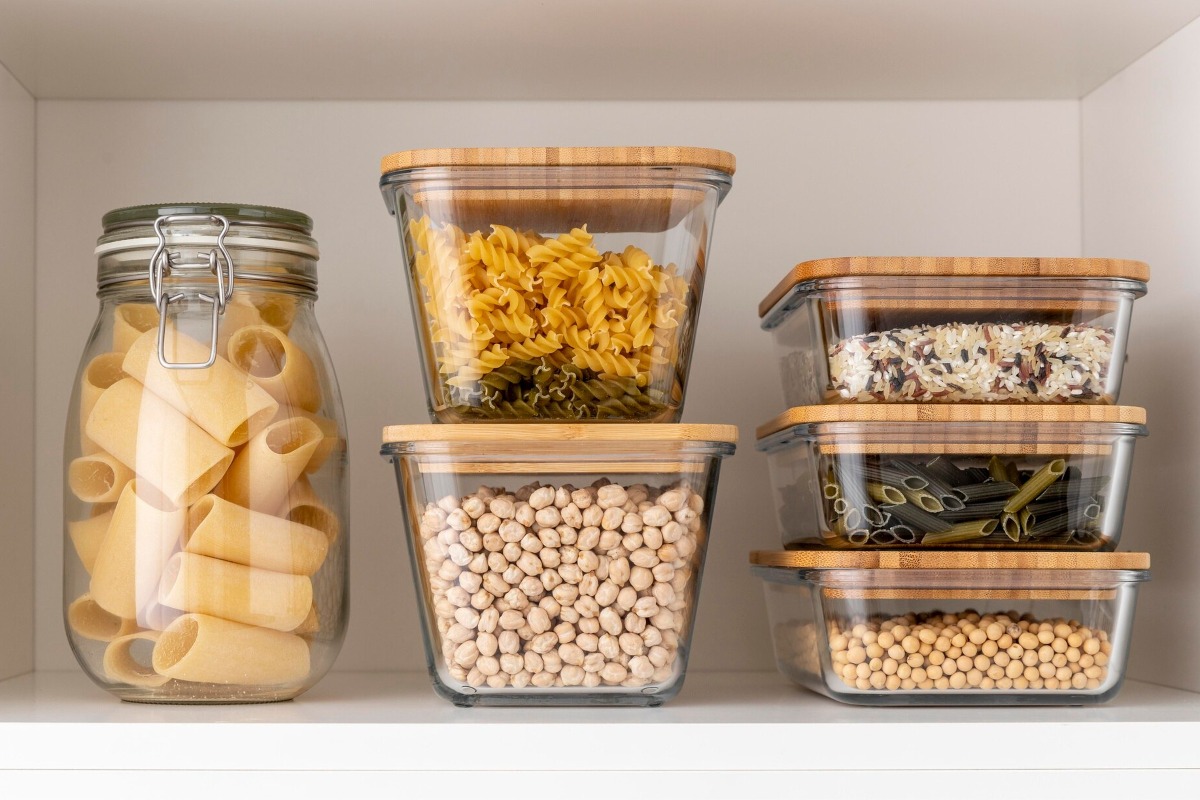
You pull last night’s dinner from the fridge, still in the plastic tub you used to put it away. Warming it takes only a few minutes. The problem really starts when that tub goes in the microwave.
In a 2023 study, University of Nebraska-Lincoln researchers microwaved plastic baby food containers. After 3 minutes, they found that 1 square centimeter of plastic could release as many as 4.22 million microplastic particles and 2.11 billion smaller nanoplastic particles. You’d never spot them on your fork, but they’re there.
Reheating is not the only reason to rethink that tub. Registered dietitian Toby Amidor advises against storing acidic foods, including tomato sauce and dressings, in plastic. She gives the same advice for oily or high-fat foods such as butter and oil because they can speed up the plastic’s breakdown.
Why glass is the better bet
Think of the sauce you save after pasta night. A glass container holds it without taking on the orange stain or the lingering smell. Glass is non-porous, so it resists the stains and odors that that turn a plastic tub into the ‘curry tub’ forever.
But looks aren’t the main reason to switch. Glass does not release microplastics or leach chemicals into the food it holds. That makes it an appealing place for leftovers you expect to warm up later, as well as acidic or oily foods you are putting away now. Just keep the plastic lid off when you reheat.
It’s also just handy. You can store a meal in a glass container in the freezer, then use glass for oven or microwave reheating. It can go to the table as a serving dish, too, so dinner does not need another container along the way.
Microwavable packaging is still packaging
A ready-made meal can seem to settle the question for you: the package is meant for the microwave, so dinner goes in as it came. Yet microwavable meal packaging has also raised concerns about microplastics and associated chemicals moving into food during heating.
A glass dish gives you another way to warm that meal. Transfer the food before reheating, and the container touching it is glass rather than the package. It takes ten seconds, and it works just as well for soup, pasta or yesterday’s leftovers.
The limit
The Nebraska findings came from tests of plastic baby food containers; they do not tell you what every plastic container releases. Plastic is not under a blanket safety ban: the FDA considers BPA safe at current levels in food and says its authorized uses in food packaging remain safe. Food safety experts advise against reusing plastic containers that are scratched or have been heated repeatedly in the microwave.