A sticky cheese drip has baked onto the oven floor, and the sponge in your hand barely moves it. Before you reach for a spray, take a closer look at the control panel. One easily missed setting may make the next wipe much easier.
The button hiding next to self clean
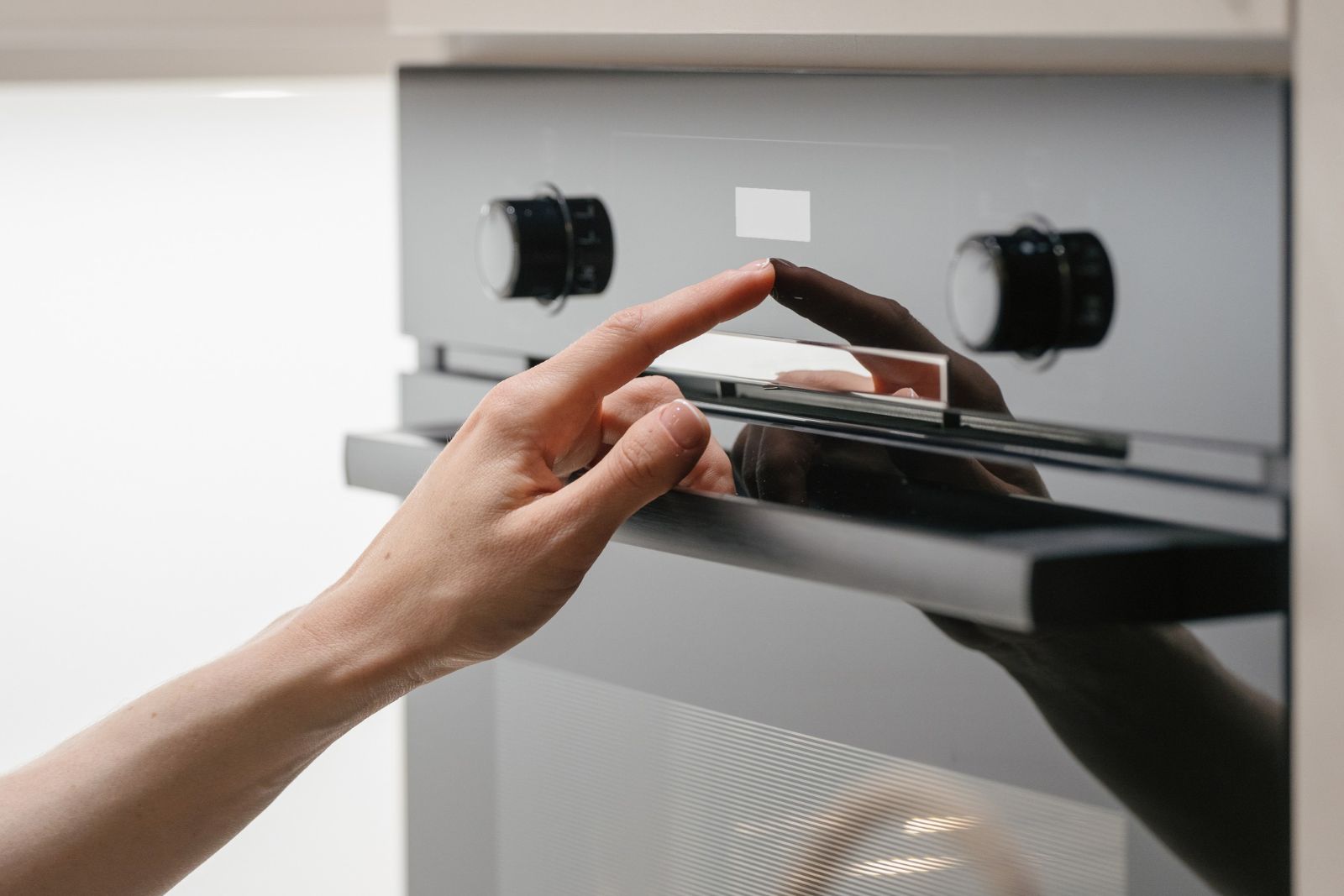
Look past the familiar Self Clean button. On some ovens, there’s another option beside it or tucked inside a cleaning menu. Depending on the brand and model, it may be called Steam Clean or EasyClean.
The two cleaning methods aren’t interchangeable. A conventional Self Clean cycle uses very high temperatures to break down baked-on residue, leaving ash that can be wiped away after the oven cools. A steam-assisted cleaning cycle uses water and much lower temperatures to soften light food spills.
It’s quicker, too. LG’s EasyClean cycle takes 20 minutes, while GE Appliances offers a Steam Clean cycle lasting approximately 30 minutes on compatible models.
Neither setting makes the oven spotless automatically. You’ll still need to wipe away the loosened residue afterward.
The catch is timing. Steam-assisted cleaning works best on relatively fresh splatters, before they’ve been baked on repeatedly. That’s why dealing with a spill sooner can save you scrubbing later.
Why that cheese stopped budging
That drip didn’t start out stubborn. As food residue is repeatedly heated, moisture evaporates and the remaining material can harden and adhere more firmly to the oven’s interior.
Water and gentle heat can help rehydrate some of that residue. The softened food becomes easier to loosen from the oven’s enamel surface, although heavily carbonized deposits may remain stubborn.
Your sponge still does the final work, but it may now meet softened sauce instead of a hard crust.
How much water you need depends on the appliance. On certain LG ranges, the 20-minute EasyClean cycle requires 10 fluid ounces of water, approximately 1¼ cups.
LG instructs users to distribute some of that water over the oven walls and soiled areas, then apply the remainder to the bottom of the cavity. The manufacturer also specifies that the oven must cool before the cycle begins. If its interior is above 150°F, the EasyClean function will not activate until the temperature drops.
Those instructions are specific to compatible LG ovens. Another brand may require a different amount of water or a different application method.
One cup of water, door shut
Start with a cool oven. Check the owner’s manual before removing the racks: some manufacturers allow them to remain in place during steam cleaning, while others require an empty oven.
Remove loose crumbs and excess grease according to the manufacturer’s instructions.
On compatible GE ovens, the procedure is straightforward. Pour 1 cup of water into the center of the cool oven floor, close the door and select Steam Clean.
According to GE Appliances’ cleaning guidance, the cycle lasts about 30 minutes and uses lower temperatures than conventional self-cleaning to loosen minor food spills.
Keep the door closed during the cycle. Once it finishes, follow the appliance’s cooling and safety instructions before wiping away the remaining moisture and loosened food residue with a soft cloth or sponge.
If a stain remains, use only cleaning tools and products approved for your oven’s interior finish. GE notes that certain stubborn deposits may require an appropriate non-abrasive cleaner after steam cleaning.
Dry the oven interior and return any removed accessories when it’s safe to do so.
If your oven uses a different cleaning program, don’t assume that the GE method applies. Some appliances require water to be sprayed onto specific surfaces, while others have a dedicated reservoir.
Always follow the instructions for the exact model in front of you.
What a cup of water won’t fix
Never pour water into a hot oven unless the manufacturer’s instructions specifically direct you to do so. Avoid opening the door during the cleaning cycle, and be careful of hot water, steam and interior surfaces afterward.
Don’t add vinegar, detergent or commercial oven cleaner to a built-in steam-cleaning cycle unless the manufacturer explicitly permits it. GE, for example, warns against adding vinegar to the water used for its Steam Clean function because it may discolor the oven liner.
Without a built-in steam-cleaning program, don’t pour water directly onto the oven floor. Our guide to using water in the oven explains a separate method involving an oven-safe container. Check that your oven’s manufacturer allows such a procedure before trying it.
Steam-assisted cleaning is intended primarily for light grease and relatively fresh spills. Thick, blackened buildup may need a different cleaning method approved for your appliance.
If the door seal is damaged, the controls display an error or the oven appears to malfunction, stop using the cleaning feature and consult the manual or a qualified appliance technician.
That overlooked button can make routine oven maintenance easier. Just remember that the cycle loosens the mess; the final wipe is still yours.