The first cold snap arrives, the heat pump hums all night, and the December electric bill lands far above what the installer promised. So you do what feels sensible: turn it way down at bedtime, switch it to “Emergency Heat” when the forecast drops below freezing, flip it off when you leave for work. Every one of those moves feels like saving. Most of them are quietly doing the opposite.
The machine is rarely the problem. The settings are, and they are not your fault: a heat pump behaves nothing like the furnace most of us grew up with, and the thermostat menu never explains the difference. Fixing it costs nothing but ten minutes.
Why A Heat Pump Punishes Furnace Habits
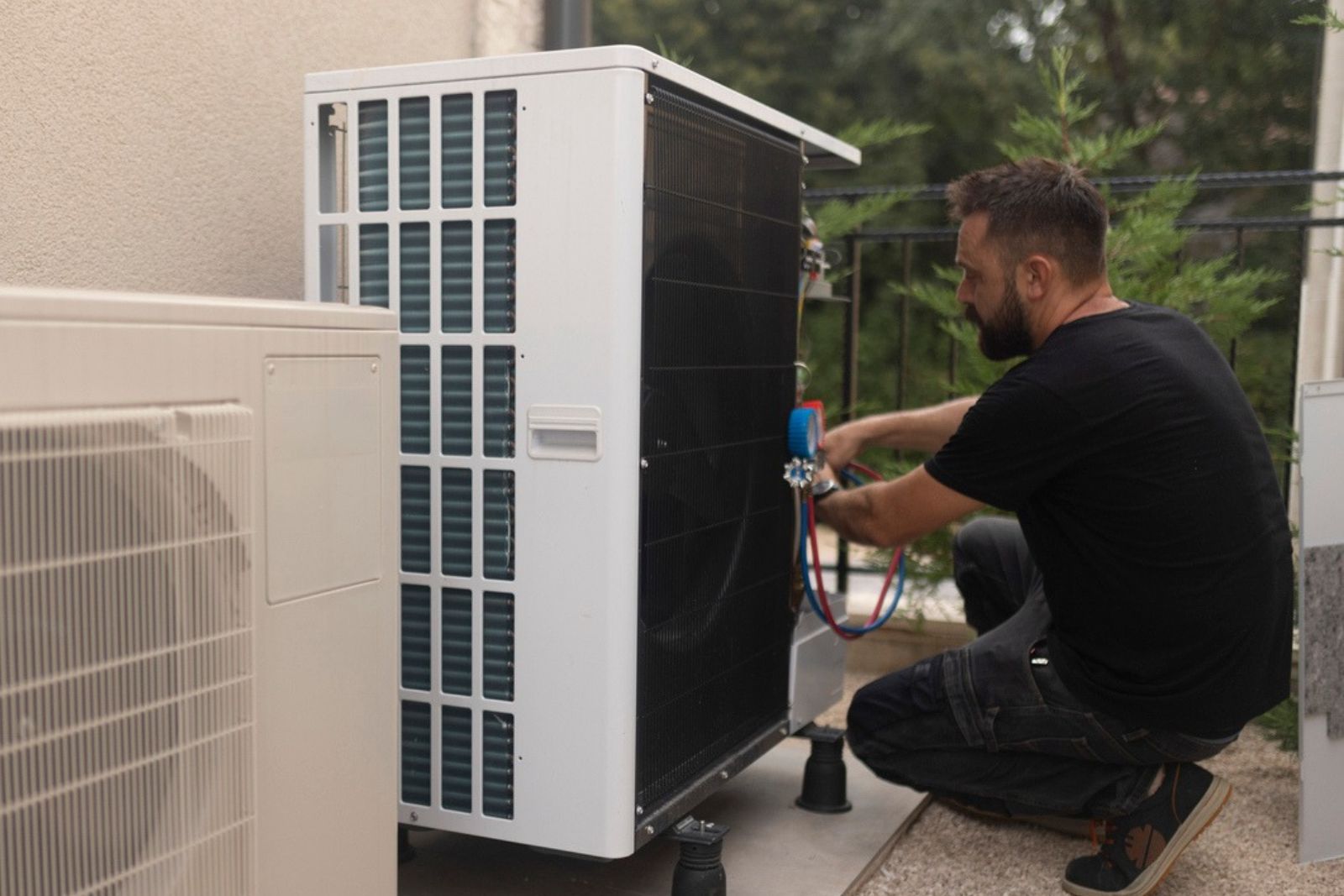
A heat pump doesn’t make heat, it moves it from outside to inside, which is why the Department of Energy credits it with delivering up to three times more heat than the electricity it consumes. Most US systems also carry a backup: electric resistance strips that work like a giant toaster. Building scientist Allison Bailes sums up the gap in one line: “The heat you get from the heat pump itself is about three times more efficient than the electric resistance heat.” So every hour the strips run instead of the compressor, you pay roughly triple for the same warmth.
Nearly every expensive mistake comes down to one thing: a habit that wakes up the strips. That is exactly what one Mid-Atlantic homeowner suspected after a winter of painful bills, in a Reddit thread picked up by The Cool Down. Commenters zeroed in on the thermostat handing the job to the backup heat at too high an outdoor temperature.
The Settings To Change Tonight
Five corrections, in order of payoff:
- Shrink the night setback. A deep overnight turndown saves money with a furnace. With a heat pump, the morning catch-up is precisely when the strips kick in. Keep the house steady between 68°F and 72°F, and if you lower it at all, stay within 3 to 5 degrees. If 68 still feels chilly, the fix is usually in the room, not on the dial.
- Stay on “Heat,” not “Emergency Heat.” Heat pumps keep working as it gets colder; they simply move less heat. On “Heat,” the thermostat adds backup only when it is needed. “Emergency Heat” runs the strips alone, all the time. Save it for a breakdown.
- Drop “Auto” mode for the winter. Auto can bounce between heating and cooling to hold a number, so you end up paying for cooling you never wanted. Choose “Heat” and leave it there.
- Stop the on/off routine. In Maine, where residents have installed more than 200,000 heat pumps, the state’s energy efficiency program is blunt about it: “Turning heat pumps down when you’re away or asleep may actually use more energy than leaving them on.” Set it once and let it run.
- Ask about the backup lockout. Many systems let a technician set the outdoor temperature below which the strips are allowed to help. Set too high, the strips cover for the compressor on mild days. If your bill looks wrong, this is the first question for your installer.
Defrost, Filters And The Honest Limit
Defrost is where many owners panic. On frosty days the outdoor fan stops and the unit seems to quit, but a normal cycle runs about 5 to 15 minutes, every 30 to 90 minutes. Don’t switch to Emergency Heat or shut the system off. Keep 2 to 3 feet of clearance around the outdoor unit, brush snow off gently, and never pour hot water on the coil. Clean mini-split filters every two to four weeks, ducted filters every three months.
As for savings, no honest percentage applies to every home. The gain depends on how much of your heat was coming from the strips: if they were running for hours on cold mornings, correcting the habits that call them can cut a large share of the bill; if your system was already set right, expect little. And if frost keeps building, the unit defrosts constantly or never, or the strips still run on mild days, call a technician: a refrigerant leak or a dirty coil is not a settings problem.
Set it, leave it on “Heat,” and let the compressor do the work you paid for. That’s the trick.