

A little bottle of scented liquid sits on the bathroom shelf or the entry table, with a handful of wooden sticks standing straight up out of it. It looks like decoration. It works so quietly that you may never stop to wonder what those sticks are actually doing there.
That little bottle has a name
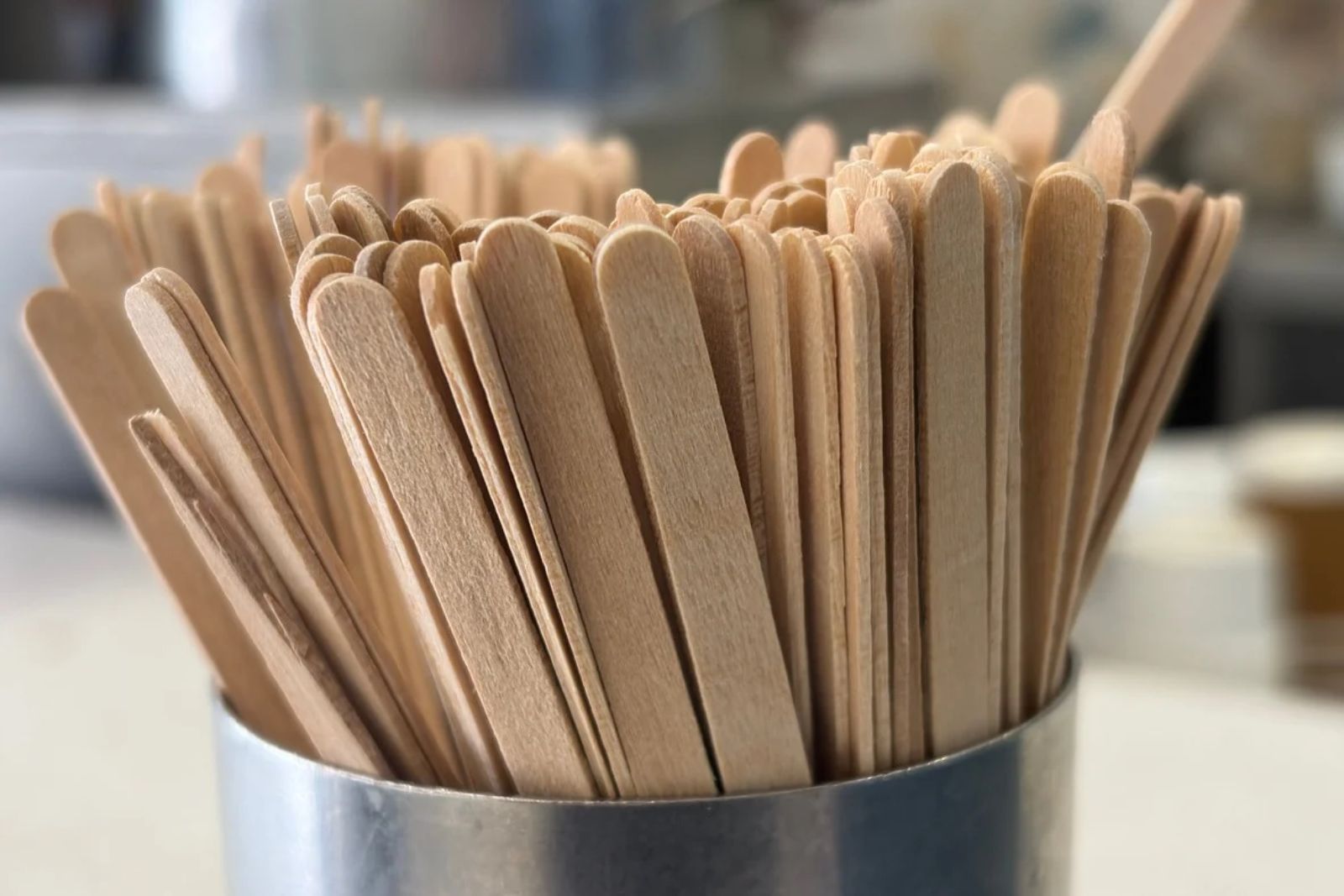
It’s a reed diffuser, a passive air freshener that releases fragrance all day long. You don’t need to mess around with a flame, or a plug and there’s no fiddling with a spray can every morning. It just gets on with it. That’s what makes it so handy in a bathroom, a hallway or any spot where a candle wouldn’t make sense.
It also works differently from a spray. Instead of one quick cloud of scent, it just sits in place and keeps going, slowly. A a light vanilla spray is a quick hit that fades, but a reed diffuser is the slow, steady version. It does the same job of masking smells with something nicer, but it keeps going for weeks.
What the sticks are really doing
Those sticks work a bit like a paper towel dipped in a spill. Rattan is the go-to because it wicks so well. It’s full of tiny channels that draw the liquid upward, the way a paper towel soaks up a spill.
When the liquid reaches the exposed ends, it evaporates and carries the scent into the room. The bottle’s narrow neck helps too. Less liquid escapes from the surface, so more of it travels up through the reeds.
Once you know that, a couple of tricks make sense. Add more reeds and the smell gets stronger, but the bottle empties faster. Flip the sticks and you put freshly soaked ends in the air, which gives the fragrance a temporary boost.
A simple DIY version
For a version you can count on, start with a narrow-necked glass bottle that’s safe for fragrance. Add a base made specifically for reed diffusers and a fragrance its supplier approves. Kitchen shortcuts don’t hold up well: cooking oil can be too thick, and substitute sticks may not wick properly.
One six-ounce homemade batch uses 4.5 ounces of diffuser base and 1.5 ounces of approved fragrance oil, measured on a digital scale. Before using those proportions, check that both product labels allow them. If either one lists a lower maximum, follow that amount instead.
Stir the two gently in a glass or fragrance-safe cup. Funnel the mixture into the bottle, leaving a little room at the top, and slide in six to eight rattan reeds. Let them soak for one hour, then flip them over the sink so the saturated ends face up.
One word of warning before you pop it on the shelf is to set the bottle on a coaster or tray. From there, turn the reeds about once a week and wipe up any drips right away.
Where the bottle sits, and what it can’t fix
Keep it away from heat, sparks, flames and children. The liquid can irritate skin and eyes, damage finished wood and be dangerous if swallowed. Call Poison Control at 1-800-222-1222, and rinse skin spills under running water.
Remember, a diffuser only covers smells up. If you find yourself encountering a lingering odor, it’s worth tracking down the cause. Once you have found it, the reeds can be left to handle the nice part afterwards.