

The gray ring won’t budge, so you grab a rough pad and press harder. The mark may fade a little, yet once the tub dries, it somehow looks worse. Before you scrub again, take a closer look at the tub itself.
Why the ring seems to spread
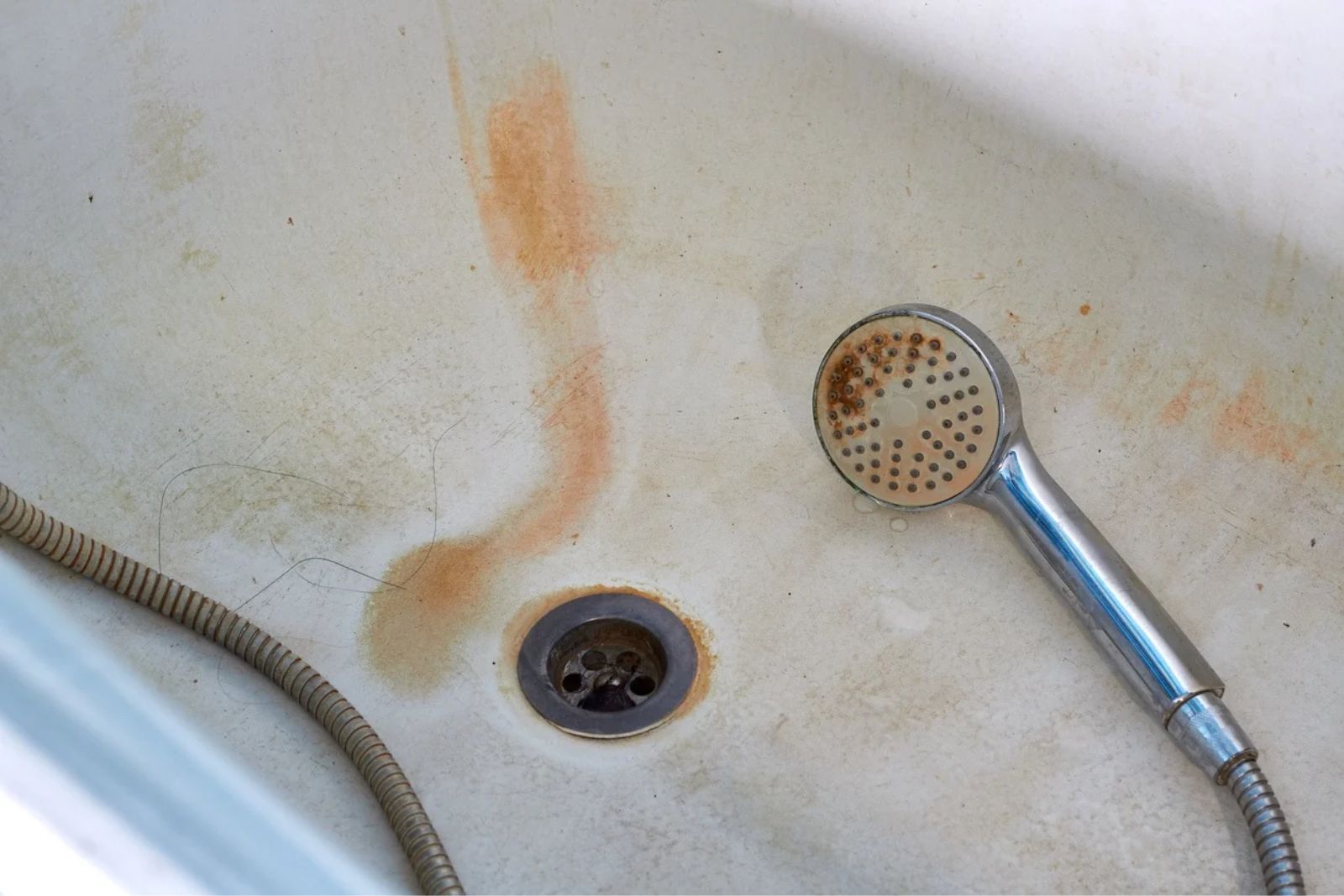
Pressing harder is a natural reflex when a stain hangs on. But scouring powders, steel wool, stiff brushes and abrasive pads can create fine scratches in the tub’s glossy surface, leaving the finish dull.
The problem is that tiny scratches scatter light instead of reflecting it evenly. Even after the original dirt is gone, a white tub can look cloudy or gray. Keep scrubbing, and the dull patch only gets bigger.
This isn’t only a problem for lightweight plastic tubs. According to Kohler’s care and cleaning guidelines, abrasive cleaners can scratch and dull both enamel and acrylic surfaces.
So start gentle: warm water and a mild liquid detergent. But first, figure out what you’re actually cleaning.
What’s under that ring?
Acrylic and fiberglass tubs usually require especially gentle care. Enameled steel or cast iron may feel tougher, but their smooth outer coating can still become scratched or lose its shine.
No need to guess. Dig out the manual or installation paperwork, or check the manufacturer’s website.
If you cannot identify the finish, avoid aggressive cleaners and abrasive tools. Test any suitable cleaning product in an inconspicuous area before treating the entire bathtub.
Check the cleaner’s label, too. A product designed for tile or grout may not be suitable for the bathtub right next to it.
Five minutes of soap, not elbow grease
For an ordinary greasy ring caused by body oils and bath products, start by rinsing away loose debris with warm tap water. Grit trapped beneath a sponge can act like sandpaper.
Apply a small amount of mild liquid dish soap, diluted with warm water, if the bathtub manufacturer’s instructions permit it. Spread the solution using a soft microfiber cloth or a nonabrasive sponge.
Take your time and keep the pressure light. Patience does more here than muscle. Do not leave the cleaner sitting on the surface unless the care guide says otherwise.
Rinse thoroughly with warm water, then dry the surface with a clean, soft cloth so you can see what’s actually left. If necessary, repeat the process rather than immediately reaching for something rougher.
If the mark looks dry and chalky, it may be a different problem. Soap scum and limescale may require a different cleaning treatment, but any acidic product must be approved for the bathtub’s particular finish.
Orange or reddish marks may indicate iron deposits or rust. Persistent discoloration around the caulk may require appropriate cleaning or replacement, especially if the sealant is damaged.
When dull means scratched, not dirty
One word of warning before you reach for anything stronger. Never mix bleach with vinegar, ammonia or other cleaning products. The Centers for Disease Control and Prevention warns that combining cleaning chemicals can release dangerous vapors. Keep the bathroom well ventilated and follow the product label.
Unsuitable cleaning products can also damage acrylic finishes, while aggressive cleaning methods may permanently alter a bathtub’s slip-resistant surface.
If the tub still looks dull once it’s clean and dry, the finish may already be scratched or damaged. Some superficial marks can be repaired using manufacturer-approved restoration methods.
Deep scratches, chips or corrosion beneath damaged enamel may require professional refinishing or repair rather than another round with a rough pad.
Sometimes the best fix is to put the pad down and work out what you’re really looking at.