
The bulky tank in the utility room is easy to ignore, right up until the shower turns cold or a puddle shows up underneath. That’s when the small box on the wall starts to look tempting. Before you say goodbye to the tank, it pays to watch how your home really uses hot water.
The tank leaves the floor
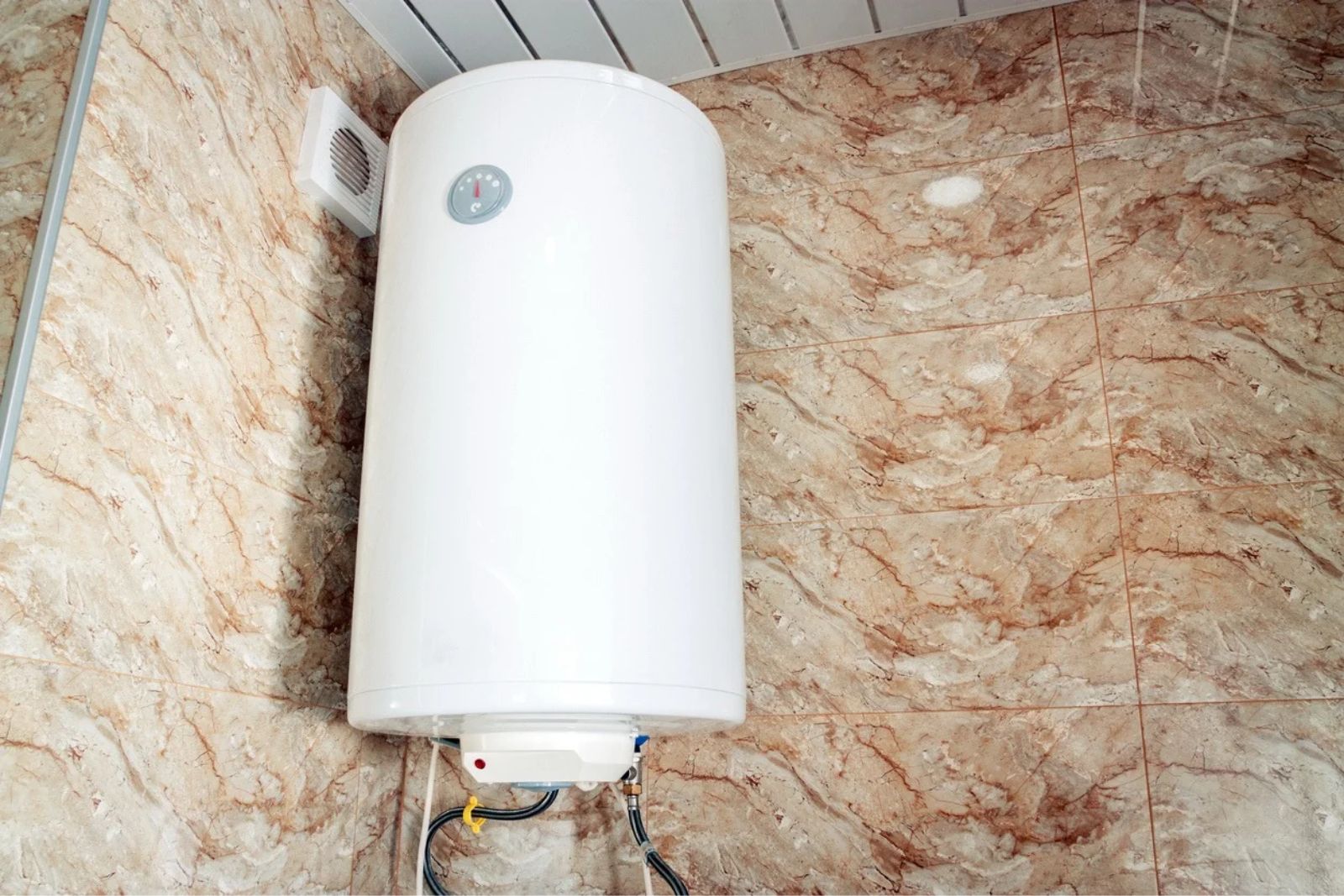
A tankless water heater doesn’t keep dozens of gallons warm all day. You open a hot faucet, a flow sensor wakes up a burner or an electric element, and the water heats as it passes through. Close the faucet, and the heater shuts off.
No big reservoir means no heat slowly escaping while you sleep or work. For gas models in homes that use 41 gallons of hot water a day or less, the Department of Energy estimates they can be up to 34% more efficient than a classic storage tank.
And then there’s the floor space. Hang the heater on the wall and that crowded utility room suddenly has room to breathe There’s a bonus you’ll notice right away: the floor space comes back.
What “endless” really means
“Endless” describes how long the hot water lasts, not how much you get at once. A well-sized unit keeps heating as long as water flows, but it can only handle so many gallons each minute.
Picture a busy morning. Someone is in the shower, and the washer is filling. Use rough planning figures as a starting point, but check the flow rate of each fixture and add the two together. And nobody has turned on a sink yet.
Winter makes the job harder. The water coming into the house is colder, so the heater has to warm it up further. The season belongs in the sizing math, and so does your own routine.
Put your morning on paper
So on the next busy morning, watch the house for 10 minutes. Jot down which hot-water fixtures truly run at the same time: the shower, the dishwasher, the washer, a sink. Then add up the flow rates printed on their labels or manuals. Counting heads won’t tell you about the morning rush.
While you’re at it, time how long hot water takes to reach the farthest faucet. A new heater in the same spot still has to push out the cold water already sitting in that pipe. Mounting it closer to the main bathroom can shorten the wait.
Then bring those notes to the installer. Ask them to calculate the temperature rise from your area’s coldest incoming water to the temperature you want, commonly 120°F.
Ask for a written estimate that breaks out the unit itself from the gas line, venting, electrical, plumbing and permit work. Those extras can add up. A gas model may need a bigger fuel line, a new exhaust route and a power supply for its controls and fan. A whole-home electric model may need more from your electrical panel than the house can spare.
What the little box can’t promise
Gas lines, venting and heavy electrical work need a qualified installer and permits where code requires. Keep stored items outside the manufacturer’s clearances, and follow its maintenance schedule rather than improvising a descaling mix.
The more hot water you use, the smaller the savings, and an undersized unit can run weak or cooler when showers and appliances overlap. If the power goes out, don’t count on a hot shower. Even gas models usually need electricity to fire up.If your home is all-electric, it’s worth looking at heat-pump models too. Tankless wins on space, but it isn’t always the most energy-efficient choice.