You’ve got the turkey on your grocery list and the roasting pan ready to pull from the cabinet, so a spotless oven feels like one more thing to handle. Appliance repair techs say one familiar button deserves a second thought right now, with Thanksgiving dinner depending on that oven working.
In short
- Leave the self-clean button alone the week before Thanksgiving.
- The cycle’s intense heat can damage parts that keep your oven working.
- A repair or replacement part can be hard to get during the holiday rush.
- Clean the oven by hand before the holiday, or save the self-clean cycle for afterward.
The heat puts parts under strain
View in gallery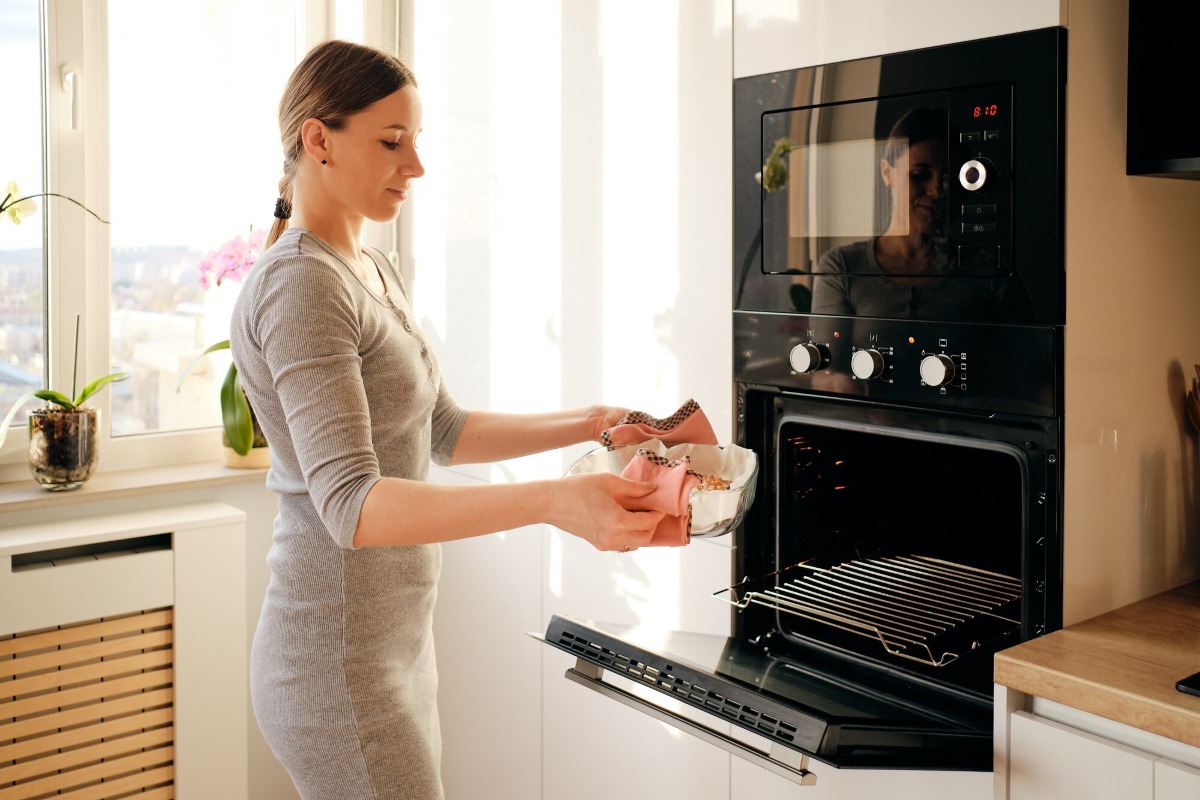
You have pies to bake and a Thanksgiving meal to get on the table. It is tempting to press one button and let the oven handle the baked-on mess. That button is self-clean, and repair technicians say it is the one to leave alone so close to the holiday.
A self-clean cycle heats the oven to about 932°F to burn off residue. The door stays locked while the cycle runs and the oven cools. It is a lot of heat for parts you count on when you turn the oven back on to cook.
Chris Zeisler, a technical service supervisor at Repair Clinic, identifies door latches and electrical components among the parts that can fail during self-cleaning. Bake and broil elements can also malfunction, as can igniters in gas ovens. Repair businesses also point to thermal fuses, door-lock motors and switches, and control boards as trouble spots.
Picture the oven door staying locked when you need to slide in the pies. A tripped breaker or blown fuse can bring cooking to a stop, too. Getting a technician and the right part during the Thanksgiving rush is difficult, and repairs can be expensive. That is why the timing matters as much as the cleaning.
A baking soda paste cleans by hand
If the oven needs attention before Thanksgiving, you can deal with the grime without running the high-heat cycle. You will need baking soda, water, a damp cloth and time for the paste to sit. Start several days ahead of the meal rather than adding oven cleaning to the day before.
Mix about 1/2 cup of baking soda with a few tablespoons of water to make a paste. Spread it over the oven’s interior surfaces, keeping it off the heating elements. Leave it for 8 to 12 hours, or overnight, then wipe it away with a damp cloth.
That gives you a way to tackle the mess without putting the oven through a self-clean cycle right before its busiest day. You can set up the paste in the evening and wipe the oven the next morning. Then the kitchen is ready for the cooking that matters most to you.
Give the oven time before a big meal
Thanksgiving falls on Thursday, November 26, this year. The closer that day gets, the less room there is in your schedule for a repair appointment or a part that needs to be ordered. A clean oven is useful, but a working oven is what you need for dinner.
Repair businesses recommend cleaning by hand several days to about 2 weeks ahead of Thanksgiving. For any major cooking day when you do choose to run self-clean, they advise allowing 1 to 2 weeks beforehand, or waiting until after the meal. Right before Thanksgiving, the simpler choice is to put down the self-clean button and pick up a cloth.
The limit
A self-clean cycle does not routinely break an oven; Consumer Reports’ testing finds it generally safe. The concern is a failure at the least convenient time, not a guarantee that something will go wrong. Ovens differ, so read your manual before cleaning yours, and follow any instructions specific to your model.