Fall cleanup turns up a scuffed tennis ball by the fence, and your first reflex is to toss it in the trash or throw it for the dog. Hold that thought and glance toward the little pond or water garden instead. That old ball has one more job this season, and it isn’t the one most people guess.
The ball belongs on the water
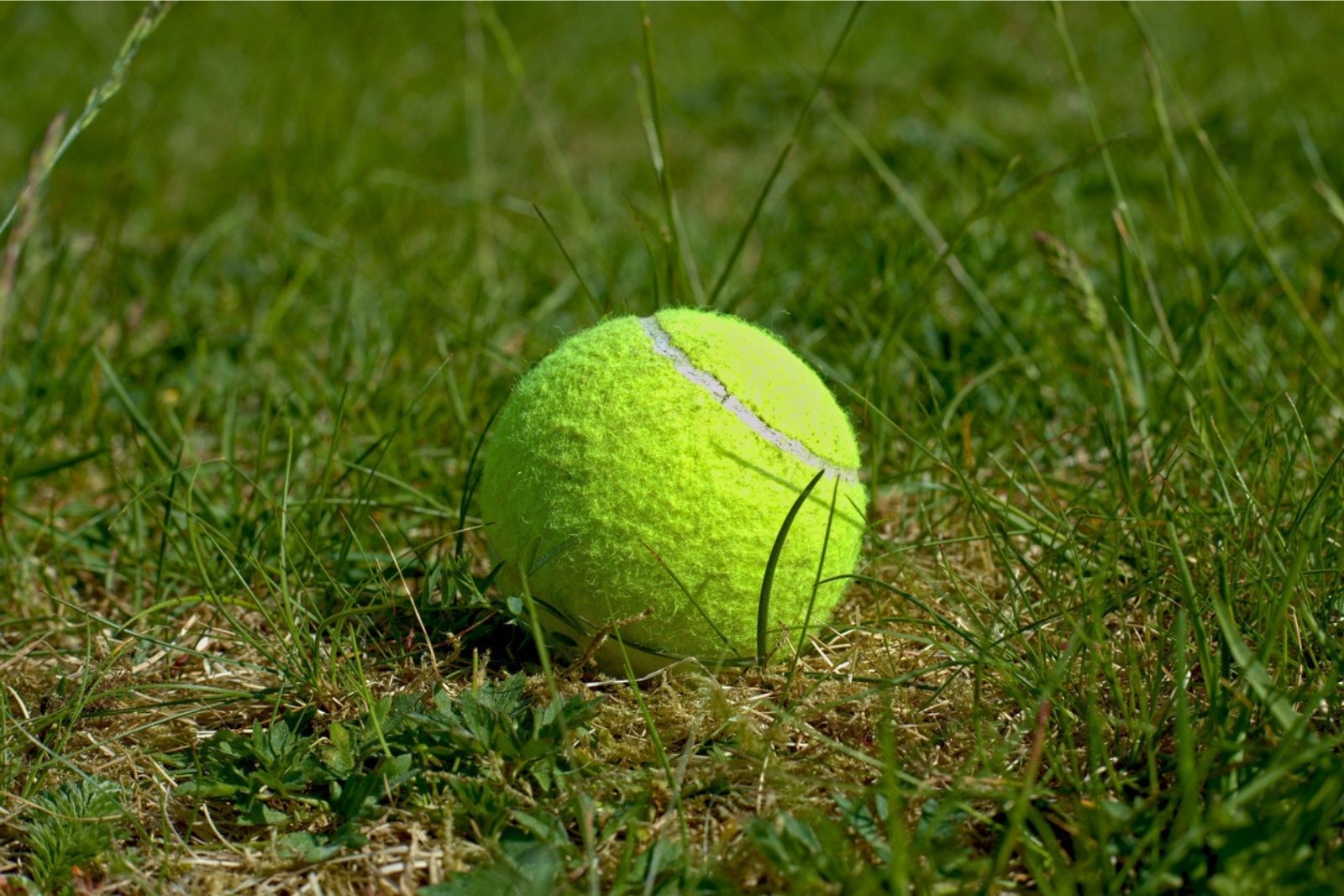
It’s easy to misunderstand what that ball is for. It doesn’t protect the lawn, and it doesn’t feed wildlife. Its place is floating on a small pond, where it can leave a weak spot in the ice that you can open later.
Here’s what happens. As the surface water cools toward 32°F, ice forms on top while the denser 39°F water settles lower. A floating ball holds onto its small patch as the ice closes in around it. On a frozen morning, you lift the ball out and may find an opening to the air. It doesn’t heat the pond, and it doesn’t aerate it. It simply leaves a small door.
Why your fish need that little opening
So why bother with a hole the size of a tennis ball? Because a frozen pond is a sealed pond. Ice and snow slow the way oxygen gets into the water, and they block the light plants need for photosynthesis. Down below, the fish keep breathing all winter, while fallen leaves keep rotting and using up oxygen too.
That’s where the ball earns its keep: it works as a small, removable vent in the ice. The same idea scales up with larger floating balls for bigger water. Just be honest about what it is: a handy aid for small ponds, not proof that everything below is fine. That’s why the timing matters so much.
Before the pond seals over
The right moment is in the middle of your fall cleanup, before the ice takes hold. Start by promptly removing fallen leaves and any dead fish, because decomposition adds to the pond’s oxygen demand. And the fallen leaves in your yard can become lawn mulch.
Then set the ball afloat while the surface is still open. Once the freeze arrives, check the pond once a day, since a small opening can freeze right back over. When you lift the ball, do it gently. It’s tempting to knock at the ice, but never pound it: the blows send shock waves through the water that can harm fish resting below.
If the hole just won’t stay open, that’s your signal to step up. Use only electric ice-melting equipment made specifically for ponds, and follow the device manual.
When The Pond Outgrows The Ball
A tennis ball can’t keep a whole pond open through a hard, long freeze. Its vent is also too small for a large or heavily stocked pond. For larger water, a bigger float like a basketball is the usual example, and aeration is the answer when oxygen is the real problem.
If the pond keeps sealing over despite the ball, don’t keep fighting it. Switch to pond-rated equipment or call a pond professional.