

Your cat has claimed the sunny spot by the kitchen window for years, and you know the sound of her paws coming down the hall. When she stops meeting you at the door, it’s easy to wonder what changed between you and the pet who used to follow you from room to room.
In short
- A cat’s pain often looks like a change in character.
- Hiding, irritability, and less interest in family time deserve your attention.
- The Feline Grimace Scale reads facial changes linked to sudden pain.
- A veterinarian can help you find out what has changed.
A cat in pain doesn’t always cry out
View in gallery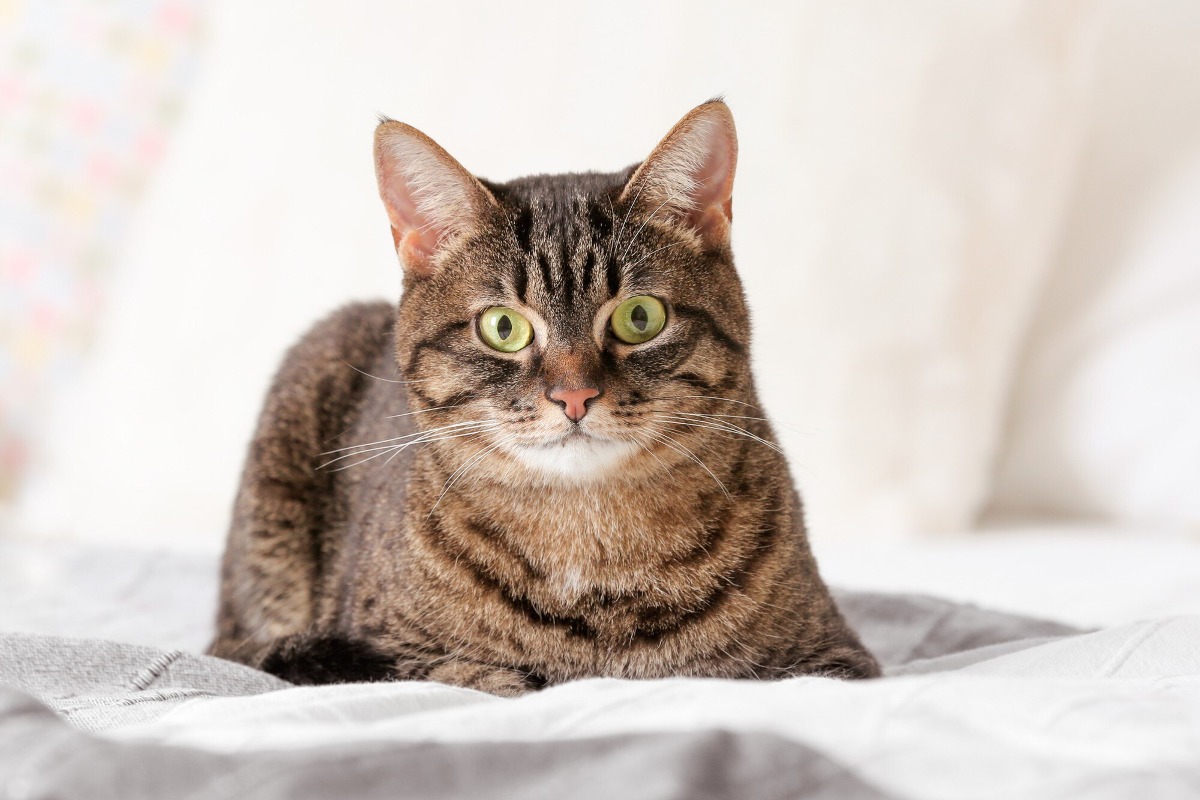
Your cat used to settle beside you on the couch. Now you find her under the bed, or she leaves when the family comes into the room. It’s easy to think she wants more space. Spanish vet Carlos Gutiérrez suggests a different question, which is what has she stopped doing?
Pain in cats is hard to spot, and, as Gutiérrez says, “many owners confuse its signs with simple changes in character.” If your cat seems grumpier or more distant than usual, take note. It may not be her mood at all. Isolation is one of the clues Gutiérrez sees most often.
Think about the little routines you know by heart: where your cat rests, when she comes looking for company, and how she responds when you reach out to pet her. Those ordinary moments give you something to compare with what you see today. You know her usual ways better than anyone.
The missing habits tell a story
Maybe your cat no longer climbs onto her favorite spot. Maybe the brush she once enjoyed now makes her pull away. The American Animal Hospital Association also identifies changes in sleep, hiding, lower energy, and eating less as signs of pain that are easy to miss.
Cats often conceal pain. In the wild, showing injury or illness leaves them vulnerable to other animals. At home, that instinct can leave you looking for a dramatic cry when the real signs are much quieter. She comes to you less, moves less, or flinches when you stroke her.
Don’t wait for a limp either. Cats with arthritis rarely show one. You might instead notice fewer jumps onto furniture, trouble with a litter box that has high sides, less grooming around the hindquarters, or more time spent hiding. She’s just getting old’ is easy to say. ‘She’s stopped doing something she loved’ is reason to call the vet.
Her face offers another clue
Look at your cat’s face when she is resting. Researchers led by Dr. Paulo Steagall at the University of Montreal developed the Feline Grimace Scale for acute pain. It uses changes in facial expression to help identify pain that has come on recently.
The eyes are one detail. In the researchers’ observations, eye height was about 80% of eye width in cats without pain, compared with about 50% in cats experiencing pain, so a half-closed, squinty look can be a warning sign.
You don’t need to measure your cat’s eyes to begin paying closer attention. Notice the face along with the rest of her day. The cat who has withdrawn under the bed, stopped jumping up beside you, and looks different around the eyes is giving you more to tell your veterinarian than “she seems off.”
The limit
A change in behavior doesn’t prove your cat is in pain. Illness or a new source of stress can also change how she acts, and the Feline Grimace Scale was developed for sudden pain, not long-lasting problems such as arthritis. If a change persists, speak with your veterinarian about what you have noticed. Don’t give your cat human pain medicine on your own.