

At dusk, the quiet maple across the yard suddenly comes alive, with dark birds pouring into every branch. The noise can feel like an invasion, especially when the tree fills up again the next evening, and that repeat performance is the clue.
The maple has become a bedroom
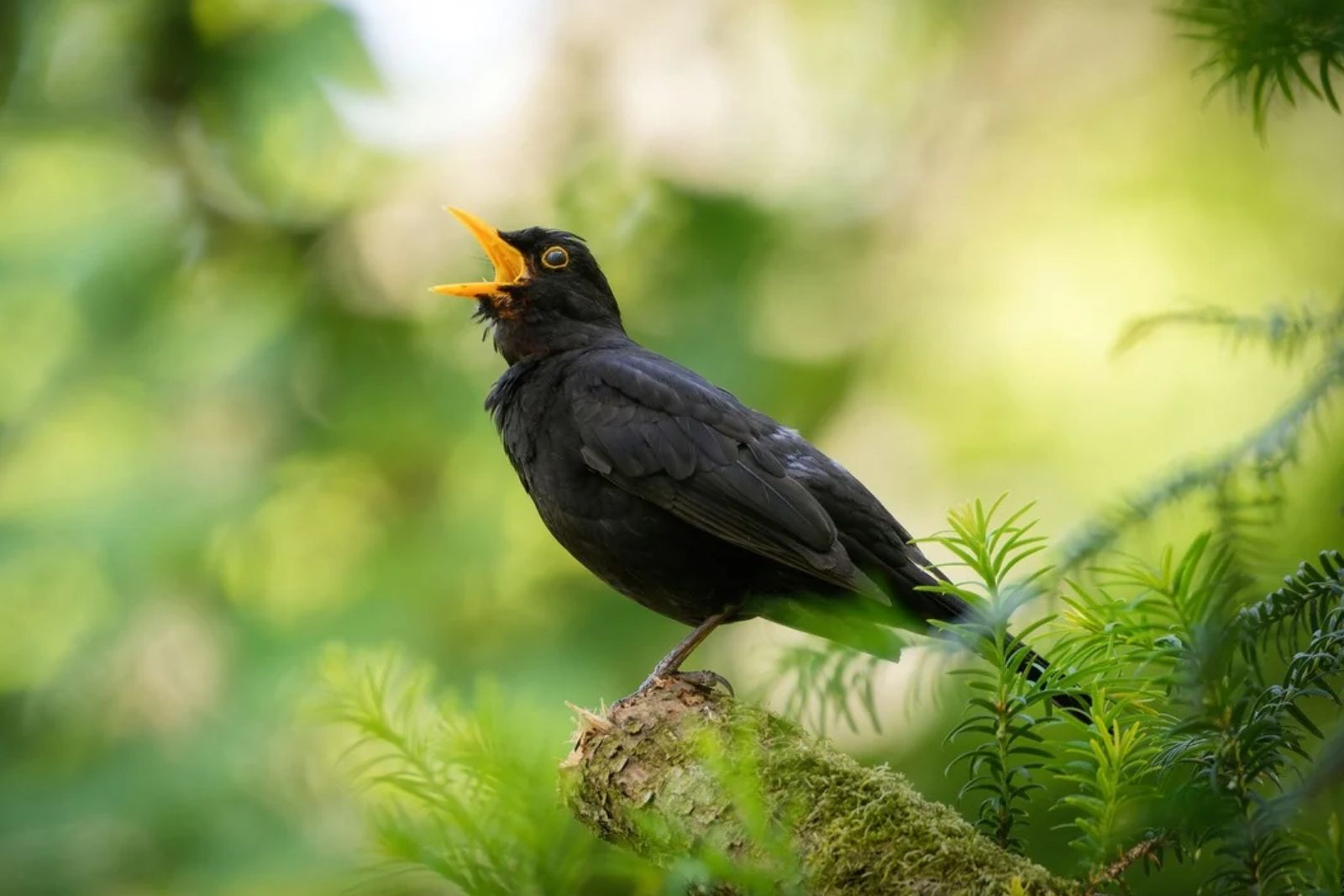
What you’re watching is a roost, a shared sleeping spot. Once nesting season is over, red-winged blackbirds, common grackles and brown-headed cowbirds become much more social. European starlings often tag along. So the crowd in your maple may be several species, not one giant flock of blackbirds.
During the day, those birds scatter over lawns, fields and parking lots to feed. Late in the afternoon, small groups start merging into bigger waves. They circle nearby, settle into the chosen branches at dusk, then fan out again at dawn.
Think of it as the birds’ off-season. The hard work of raising chicks is done, and they’d rather hang out in a crowd. Some of the birds may be migrants. But the gathering doesn’t predict bad weather, and it doesn’t mean hundreds of birds are nesting in your tree. Summer and fall roosts often form in leafy shade trees, then break up or move once the leaves drop.
So why your maple, of all the trees on the street?
Why your tree wins
There may be other trees nearby. But a good roost packs lots of perches into a small, sheltered space. Tight branches and thick leaves or needles soften the wind and make the birds harder to spot from outside.
That gives hundreds of birds room to settle, without leaving them on exposed wires or open ground. Food matters too. A lawn, a grain field, a fruiting tree or a shopping area close by shortens the commute between daytime meals and the nighttime roost.
It’s usually a combination of shelter from the wind, a short hop to food, and safety in numbers. If your trees stay just as appealing, don’t be surprised to see the same crowd next autumn.
Watching them from sunset to sunrise
If you want to check, grab a coffee and step outside about half an hour before sunset. Roosting birds usually arrive from several directions, pause in nearby branches, then pour into the chosen trees.
Then take another look at dawn. If the tree empties and the birds head off in different directions, you’ve found their bedroom.
A feeding stop looks different. Birds may drop by for berries, spilled seed or insects in the lawn, but they leave well before dark. Don’t worry if they look and sound different from one another. You don’t need to name every bird, or count them.
If the roost only shows up for a few evenings, your maple may just be a quick stop along the seasonal move.
When the maple stops being charming
Fresh spots on the car or sidewalk are mostly a cleanup chore. But the CDC warns that large piles of droppings can help a fungus called Histoplasma grow in the soil, and breathing in its spores can cause a lung infection, so never dry-sweep or shovel dusty material, and call a specialist for heavy buildup.
Skip poison, gunfire and do-it-yourself tree work. If broken limbs, nightly noise or piled-up waste make the roost unbearable, contact your local wildlife or environmental health team can help you move them on humanely.