A hinge squeaks, a lock sticks, a bike chain complains, and the whole country reaches for the same blue-and-yellow can. It’s in 8 out of 10 American garages, and most of those households use it as an all-purpose lubricant, which is the one thing it was never designed to be. The clue has been printed on the can since 1953, hiding in plain sight in those two letters, and once you know what they stand for, you’ll understand why the squeak always comes back, worse.
WD stands for Water Displacement; the 40 marks the fortieth formula attempt at the Rocket Chemical Company, which was trying to keep missile skins from rusting, not to silence your door. WD-40 is primarily a solvent: it creeps under moisture and pushes it off metal, dissolves gunk and old grease, and leaves only a very light, short-lived oily film.
Why the “lubricant” keeps failing
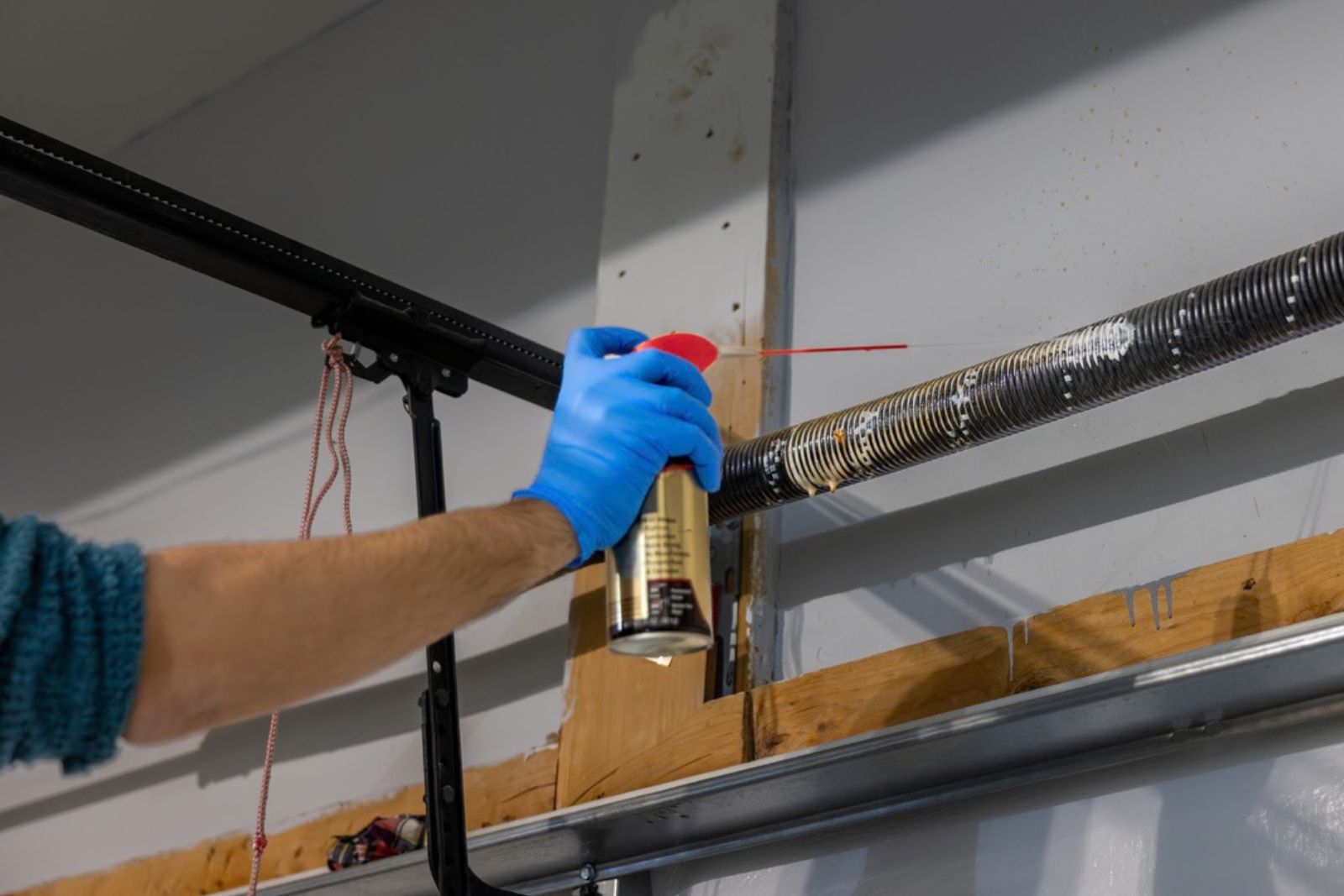
That chemistry explains the familiar cycle. Spray a squeaky hinge or a stiff lock and it works instantly, because the solvent just dissolved the grime that was causing the friction. Then the light film fades, and what remains is a slightly tacky residue that attracts dust and dirt, gumming up the mechanism worse than before. So you spray again, and again, each application partly cleaning out the last one. Three places suffer most:
- Locks. Home maintenance pros call this the classic misuse: the residue plus dust clogs the pin tumblers. The fix for a sticky lock is dry lubricant, graphite powder or a PTFE lock spray, which slicks the pins without giving dust anything to stick to. A gummed-up cylinder is also one more reason locksmiths want you paying attention to that front door.
- Bike chains. The spray strips whatever proper lube was there, and the thin film left behind collects grit into a grinding paste that accelerates chain wear. Chains want dedicated bike chain lube, wet or dry formula depending on your riding.
- Anything near flame or electronics. It’s flammable, so keep it off gas appliances, and off circuit boards and screens.
What the can is genuinely brilliant at
None of this makes WD-40 junk; it makes it a specialist wearing a generalist’s reputation. Used as designed, it’s excellent: displacing water from tools, chains and metal parts after rain (its literal birth job), freeing rusted or seized bolts and hinges by creeping into the threads, stripping off adhesive residue, tar and old grease, and leaving a thin short-term film that keeps stored tools from flash-rusting. Professionals use it to rescue mechanisms, then lubricate properly afterward. That two-step is the whole skill: WD-40 to clean and free, a real lubricant to finish.
The right product for each squeak
The finishing cast is small and cheap: graphite or PTFE spray for locks; silicone spray for hinges, window tracks and anything rubber-adjacent (silicone won’t swell seals); white lithium grease for garage door hardware, gate latches and metal-on-metal that lives outdoors; bike chain lube for the bike. Each stays where you put it and ignores dust, which is exactly what the blue can’s film can’t do.
So keep the can; just demote it to the job on its label. It displaces water, frees what’s stuck and cleans what’s gummed, and then it hands the work over. Spray, wipe, lubricate with the real thing. The squeak stays gone, and the can finally gets to be what it’s always been: not a lubricant, a rescue tool. That’s the trick.