

Your dog reaches a post, lifts a leg, walks ten feet, then does it again. At every corner it’s the same stop-and-go, and it’s easy to read it as a bid to be the boss. Before you tug on the leash, it helps to read the whole walk.
What your dog is saying at the post
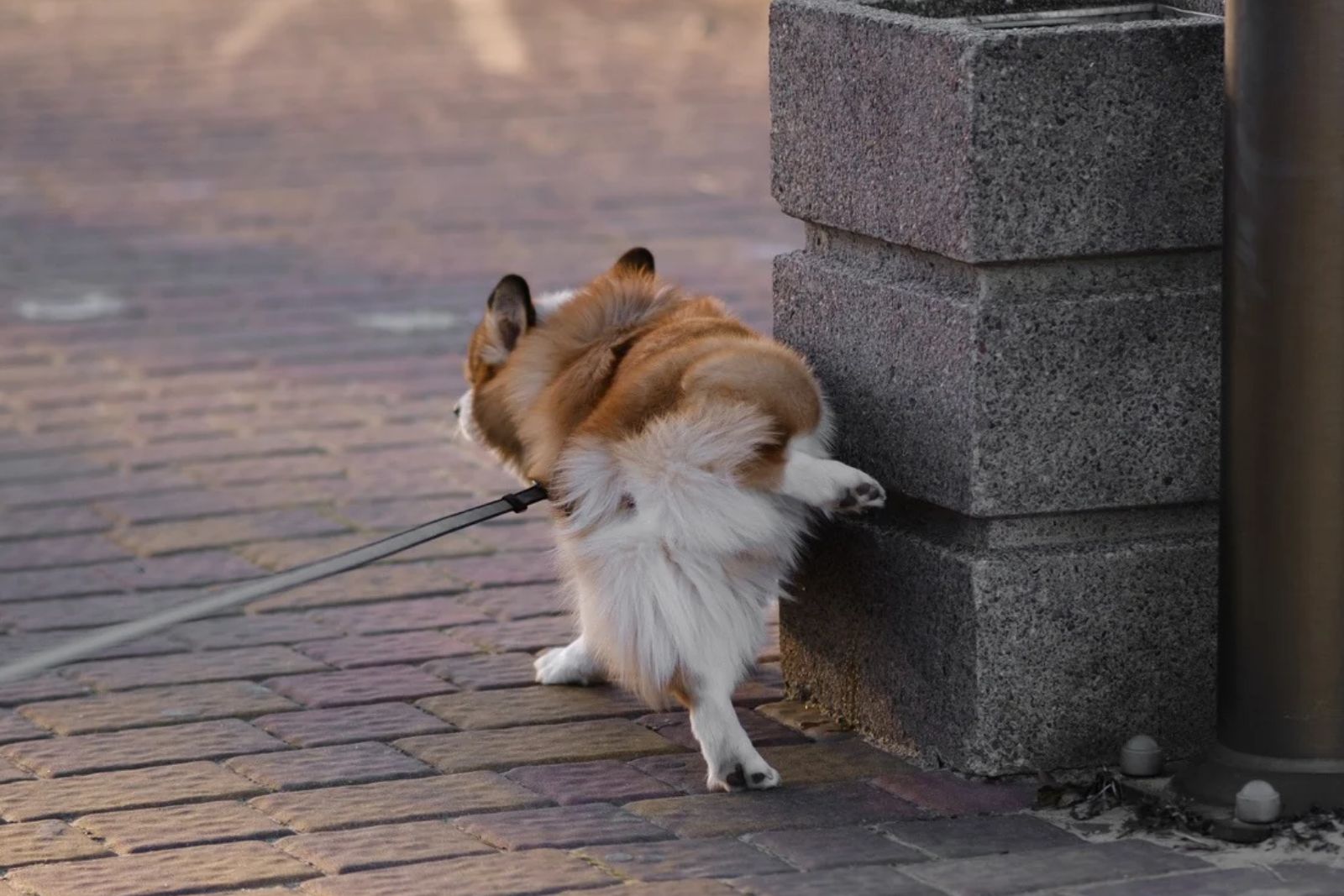
Jaime Vidal, a Spanish dog educator, sees something else in that routine. He links intense marking with stress and insecurity, especially when a dog seems driven to leave a signal everywhere it goes.
Frequent marking is not a reliable sign of dominance. Dogs talk through scent. After sniffing another dog’s mark, yours may add a small squirt of its own. That squirt is a chemical note for the next dog that comes by.
Still, a leg lifted at every corner has no single meaning. It can be ordinary dog conversation, sexual behavior or a reaction to a new place. It can also be a habit made stronger by anxiety and frustration. So how do you tell which one you’re watching?
Reading the next stop
Start with how much comes out. A mark is usually a small squirt on a post, a tree, a hydrant or another upright surface. A dog emptying a full bladder leaves a bigger, longer stream.
Then look around. Intact males mark the most, especially when reproductive odors are nearby. But females and neutered dogs do it too. Often the real clue is a change in your dog’s usual pattern.
Say the marking suddenly picks up after a move, a new dog in the neighborhood or a shake-up in the household routine. Then stress may be part of the story. And once you have a sense of what’s behind it, you can start shaping the walk.
Before the leg goes up
You don’t need to stop every mark outdoors, and you couldn’t anyway. Instead, choose where your dog is allowed to mark. Begin the walk at a good bathroom spot. Then pick two or three grassy places along your usual route, away from a neighbor’s yard, patio or flower bed.
Near the off-limits spots, keep the leash short enough to supervise. Long, focused sniffing usually warns you before the leg lifts. Call your dog in a cheerful voice and keep moving, with one small treat as a lure if needed. Reward your dog for following. Then loosen the leash at an okay spot and give it time to sniff.
Inside the house, a gate can block the spots your dog keeps going back to. Keep a closer eye whenever a new upright object shows up. When the serious sniffing starts, steer your dog toward a toy, a game or its resting mat.
Use reward-based teaching instead of fear or pain. Skip the yelling, the leash jerks and the startling noises. They can add anxiety and make marking harder to change.
When the corner is really a vet question
Sudden accidents, straining, pain, repeated large puddles or a sharp jump in frequency call for a vet. Straining can be an emergency, and these signs may reflect urinary or other medical disease.
Neutering may reduce hormone-linked marking in some males, but it is not a guaranteed cure. If fear or social conflict seems to drive the habit, see a reward-based trainer or a veterinary behaviorist instead of correcting your dog.