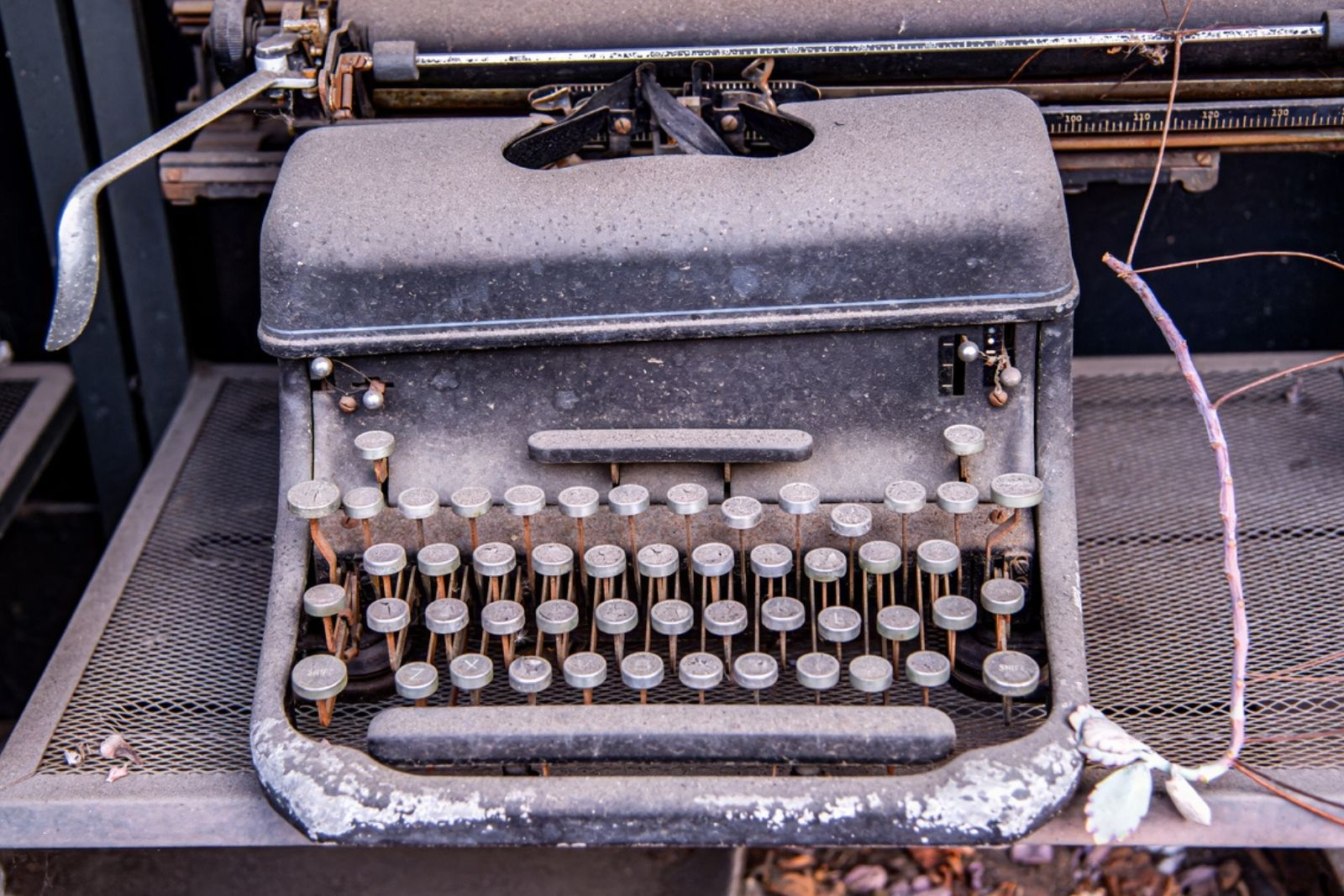
You pull a dusty black typewriter from the attic, spot the sticky keys and the frayed case, and figure it’s headed for the donation pile. Before you wipe it down or list it for the price of a lamp, take a closer look. A careful check before cleaning or pricing can separate ordinary office equipment from a machine collectors will chase.
The names that make collectors stop
Don’t feel bad if your first move was to hammer a few keys. Most people do the same. But the value isn’t in age alone. It’s in the exact model, the mechanism, how original the machine is and whether its ownership is documented.
Three names stand out. The first is the Sholes & Glidden. Remington began producing it in 1874, and the first 4,000 machines carried painted decoration. Its keyboard arrangement is the one that established QWERTY.
The second is the Blickensderfer No. 5. One museum example, dated from 1893 through 1896, has a rotating type wheel, a portable case and a “Scientific” keyboard instead of the standard QWERTY.
The third is much younger: the Olivetti Valentine. The Museum of Modern Art dates Ettore Sottsass and Perry King’s red plastic design to 1968. One example, described as excellent with its original cover, has been listed at a major auction house.
What’s hiding under those sticky keys
Now look again at the keys you were about to wipe. On most office machines, each character has its own typebar. Press a key and that bar swings into the ribbon and the paper.
The Blickensderfer works differently. It rotates one compact type wheel into position. An IBM Selectric turns a replaceable spherical element instead. For collectors, that’s a distinct chapter of engineering. The Valentine brings something else: industrial design that museums recognize.
Then come the details that separate two machines of the same model: rarity, completeness and a mechanism that still works. Which is exactly why the next few minutes matter.
Before the dust rag comes out
Start with identification, not restoration. Read every nameplate, decal and manufacturer mark exactly as printed. Write down the serial number, including any letters before or after it.
Then photograph the machine from every side: front, back, underside, keyboard, carriage and every identifying mark. Gather the original case, cover, manual, brushes, tools and any loose type elements, and keep them together. This time, go easy on the keys and touch them gently.
To put a price on it, compare completed auction sales for the exact model, keyboard and condition. If the name or the mechanism looks unusual, send clear photographs to a specialist auction house. The same careful approach works for other attic finds, like checking an old dresser’s drawers: it all begins with labels, untouched surfaces and actual sold records.
Just My Typewriter walks through how to identify a typewriter.
When Old Is Just Old, And Polish Does Harm
Old does not automatically mean valuable. The Underwood 5 appeared in 1901 and millions followed, so this historically important machine is common rather than automatically expensive.
Leave original finishes alone: the bronzed patina on a Remington-Sholes should never be polished. If a lever sticks, the carriage resists, parts are missing or the frame is cracked, stop, photograph it as found and consult a specialist before attempting repair.